





What's Happening?
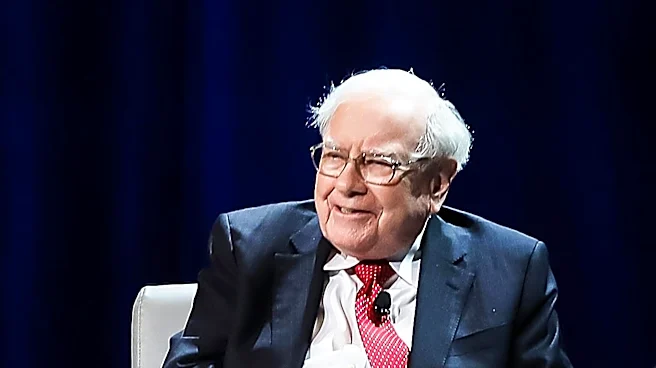
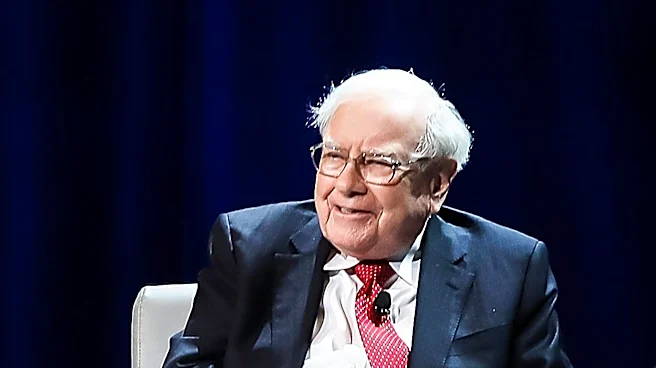
Warren Buffett, who retired as CEO of Berkshire Hathaway at the end of 2025 and became chairman emeritus in September 2026, has consistently advised shareholders on preparing for stock market downturns. His guidance, drawn from shareholder letters and public
comments, focuses on several key strategies for retirement savers. One core recommendation is a simple 90/10 stock-and-bond split for managing inherited cash, with 90% in a low-cost S&P 500 index fund and 10% in short-term government bonds. This approach aims to spread risk and minimize fees. Buffett also strongly cautions against borrowing money to invest, highlighting the amplified risks and potential for significant losses, even exceeding the initial investment. He stresses the importance of maintaining a cash cushion to avoid being forced to sell stocks during a market decline, thereby locking in losses. Furthermore, Buffett advocates for keeping investment fees low, citing his own successful 10-year bet against high-fee hedge funds, where a low-cost index fund significantly outperformed. He also advises investors to disregard market predictions and sensational headlines, emphasizing that a well-structured portfolio can weather rough patches without needing to time the market.
Why It's Important?
Buffett's advice holds significant importance for U.S. retirement savers and the broader financial industry. His emphasis on low-cost index funds challenges the traditional model of high-fee active management, potentially shifting more capital towards passive investment vehicles. This could lead to increased competition among financial advisors to justify their fees and a greater demand for transparent, cost-effective investment solutions. For individual investors, adopting these strategies could lead to better long-term returns by reducing expenses and mitigating the emotional pitfalls of market volatility. The warning against borrowing to invest is crucial for preventing financial instability, especially for less experienced investors who might be tempted by leverage during bull markets. By advocating for a cash cushion, Buffett highlights a practical approach to managing liquidity during economic downturns, which can prevent forced selling and preserve capital. His long-standing influence means that his recommendations often shape investment philosophies and public discourse around financial planning, impacting how millions of Americans approach their retirement savings.
What's Next?
Following Buffett's retirement and the continued dissemination of his investment philosophy, it is likely that financial advisors and investment platforms will increasingly incorporate his principles into their offerings. There may be a continued trend towards lower-cost investment products and greater transparency regarding fees. Regulators, such as the SEC, may also continue to reinforce warnings against speculative practices like buying on margin, aligning with Buffett's cautions. Individual investors are expected to continue seeking out low-cost index funds and diversified portfolios, potentially leading to further growth in these segments of the market. The ongoing challenge for many will be to adhere to these disciplined strategies during periods of market euphoria or panic, as human psychology often works against rational long-term investing. Educational efforts from financial institutions and consumer advocacy groups will likely continue to promote these prudent investment habits.
Beyond the Headlines
The deeper implications of Buffett's advice extend beyond mere financial tactics; they touch upon the psychological and ethical dimensions of investing. His emphasis on patience, discipline, and avoiding emotional decisions underscores a philosophy that prioritizes long-term wealth creation over short-term gains. This approach can foster a more resilient investor base, less susceptible to market bubbles and crashes. Ethically, his critique of high fees highlights a call for greater fiduciary responsibility within the financial industry, pushing for advisors to act in the best interest of their clients. Culturally, Buffett's 'be fearful when others are greedy, and greedy when others are fearful' mantra has become a cornerstone of contrarian investing, encouraging independent thought rather than herd mentality. This philosophy, if widely adopted, could lead to a more stable and less speculative investment environment, benefiting society by reducing financial volatility and promoting sustainable economic growth.