


What's Happening?
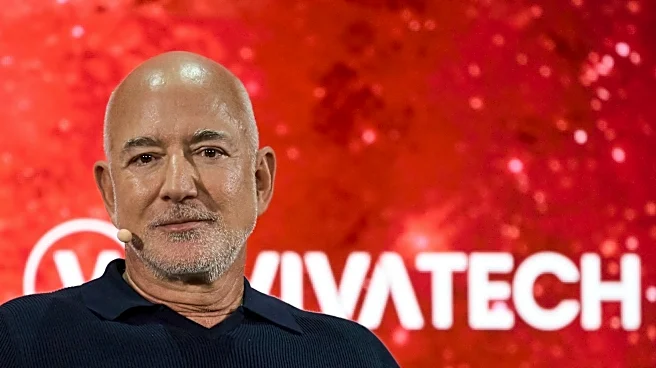
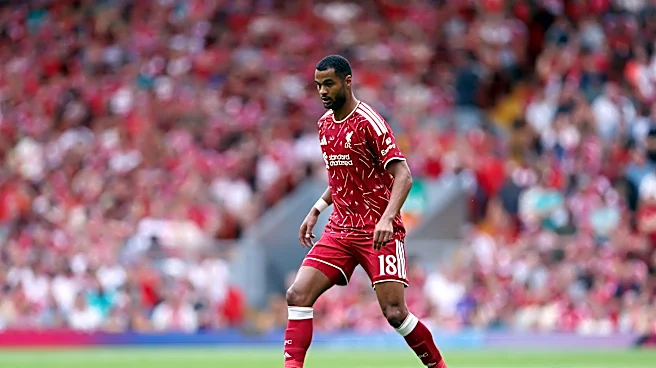
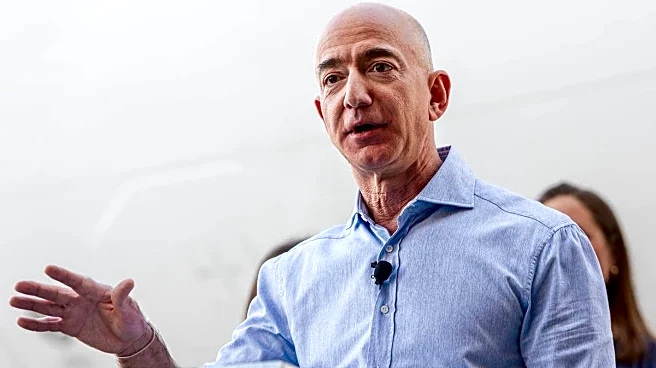
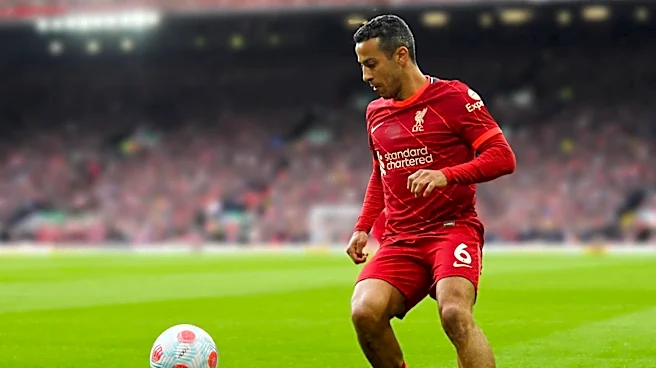
Amazon founder Jeff Bezos is part of a consortium that has agreed to acquire a strategic minority investment, approximately one-third, in Liverpool Football Club. Fenway Sports Group (FSG), the current owners of the Premier League club, confirmed a definitive
agreement with 1892 Holdings, the group leading the acquisition. This consortium is spearheaded by British-Indian millionaire businessman Amit Bhatia and also includes Facebook co-founder Eduardo Saverin. As part of the deal, Bhatia is set to become Liverpool's vice-chairman, while Bryan Baum, founder of K5 Sports (through which Bezos is investing), and Saverin's wife Elaine will join the Anfield board. Bezos, the largest investor in K5 Sports, will not personally join the board. The agreement values the club between £5 billion and £6 billion and includes an option for the consortium to increase its investment in the future, positioning them for potential majority ownership if FSG decides to sell further stakes.
Why It's Important?
This investment marks Jeff Bezos's first significant foray into sports ownership, signaling a growing trend of tech billionaires and global investors acquiring stakes in elite sports franchises. For Liverpool, the influx of capital and the strategic involvement of such high-profile business figures could provide substantial resources for future growth, potentially enhancing its competitive standing in both domestic and international football. The deal further solidifies the increasing valuation of top-tier sports clubs as global assets, attracting significant investment from high-net-worth individuals and investment groups seeking stable, high-profile ventures. It also highlights the evolving financial landscape of professional sports, where traditional ownership models are increasingly being supplemented or replaced by sophisticated investment consortiums with diverse business interests.
What's Next?
The agreement for the minority stake acquisition in Liverpool Football Club is currently pending regulatory approval. Once approved, the new ownership structure will be formalized, with Amit Bhatia joining as vice-chairman and other representatives from the consortium taking seats on the board. While the investment is not directly tied to a new transfer budget, the strategic capital injection could indirectly support the club's long-term financial planning and infrastructure development. The option for the consortium to increase its stake in the future suggests a potential path towards greater ownership, which will be closely watched by fans and the football community. The involvement of such prominent business leaders could also lead to new commercial partnerships and global brand expansion opportunities for Liverpool.
Beyond the Headlines
The entry of a figure like Jeff Bezos into sports ownership raises broader questions about the commercialization of traditional sports and the potential impact on club identity and fan culture. While the financial backing can be beneficial, some fans express concerns about a shift towards a more corporate, profit-driven approach, potentially at the expense of community values and historical traditions. This trend reflects the increasing global appeal and financial power of football, transforming clubs into global entertainment brands rather than just local sporting institutions. The deal could also influence the valuation of other major sports teams worldwide, as investors seek to capitalize on the growing market for sports assets. It underscores the ongoing evolution of sports ownership, where strategic investment and global business acumen are becoming as crucial as sporting success.