

What's Happening?
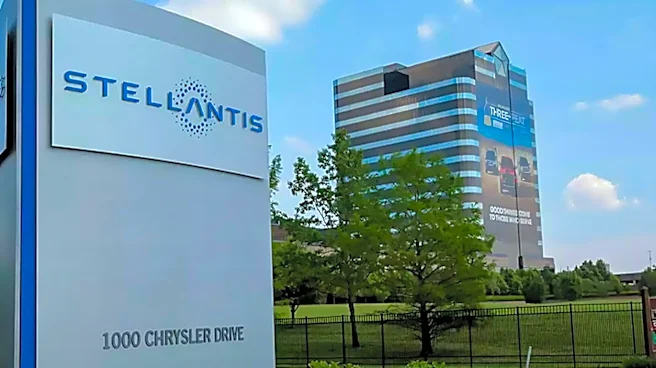
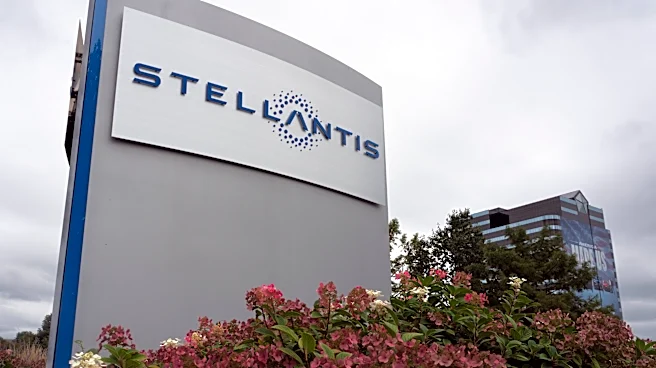
Stellantis is a multinational automotive manufacturing corporation that was established in 2021. This entity resulted from the merger of two significant automotive groups: Fiat Chrysler Automobiles (FCA) and PSA Group. The formation of Stellantis brought
together a diverse portfolio of automotive brands under a single corporate umbrella. Among the brands now controlled by Stellantis are Chrysler, Dodge, Jeep, Ram, Fiat, Alfa Romeo, Fiat Professional, Lancia, Maserati, and Abarth. Additionally, the merger incorporated European brands such as Peugeot, Citroën, DS Automobiles, Opel, and Vauxhall. This consolidation reflects a broader trend in the automotive industry where major players engage in acquisitions, mergers, and restructuring to expand their market reach and strengthen their business operations. The merger aimed to create a more robust and competitive entity in the global automotive landscape.
Why It's Important?
The formation of Stellantis has significant implications for the global automotive industry, particularly in the U.S. market where brands like Chrysler, Dodge, Jeep, and Ram have a strong presence. This merger created one of the world's largest automotive groups, impacting competition, product development, and market strategies. For consumers, the consolidation could lead to shared technologies and platforms across different brands, potentially influencing vehicle features, pricing, and availability. For the U.S. automotive workforce, such mergers often involve restructuring and integration efforts that can affect employment and manufacturing operations. Economically, the combined strength of Stellantis allows for greater investment in emerging technologies like electric vehicles and autonomous driving, which is crucial for future competitiveness. The move also positions Stellantis to better navigate global supply chain challenges and regulatory changes, potentially benefiting its U.S. operations and market share.
What's Next?
Following its formation, Stellantis is expected to continue integrating its diverse brand portfolio and operations. This will likely involve strategic decisions regarding product lineups, manufacturing facilities, and market positioning for each brand under its control. The company will focus on leveraging shared resources and technologies to achieve synergies and cost efficiencies. Future developments may include increased investment in electric vehicle platforms and sustainable mobility solutions, aligning with global industry trends and regulatory pressures. Stakeholders, including employees, dealerships, and consumers, will observe how Stellantis manages its extensive brand portfolio and whether it introduces new models or discontinues existing ones to optimize its market strategy. The company's performance in key markets, including the U.S., will be closely watched as it seeks to establish its long-term trajectory as a unified entity.
Beyond the Headlines
The creation of Stellantis represents more than just a corporate merger; it signifies a strategic response to the evolving challenges and opportunities within the automotive sector. This consolidation highlights the increasing pressure on traditional automakers to achieve economies of scale, innovate rapidly, and adapt to new technologies and consumer preferences. The integration of brands from different regions, such as American, Italian, and French marques, presents complex cultural and operational challenges. Successfully harmonizing these diverse corporate cultures and product philosophies will be critical for Stellantis's long-term success. Furthermore, the merger underscores the global nature of the automotive industry, where cross-border collaborations and consolidations are becoming essential for survival and growth in a highly competitive and capital-intensive environment. The ethical implications of such large-scale mergers often involve considerations for labor, environmental impact, and market concentration.