







What's Happening?
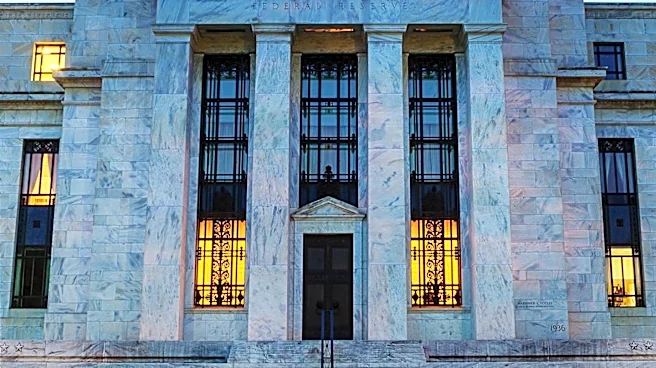
Economists are divided on the Federal Reserve's next move regarding interest rates. While a Bloomberg survey indicates that many economists expect a rate cut in the third quarter of 2027, financial markets are pricing in potential rate hikes by the end
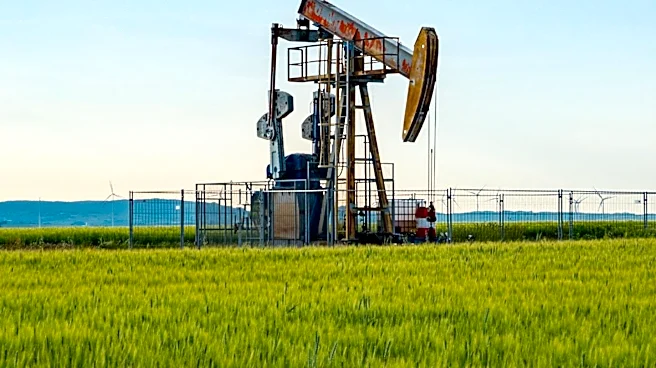
of the year. This divergence is fueled by persistent inflation concerns, with some Fed officials warning of possible rate increases in 2026. The ongoing conflict in Iran has pushed oil prices to around $100 a barrel, adding to inflationary pressures. The personal consumption expenditures price index, excluding food and energy, is projected to rise by 3.4% in the second quarter, up from a previous estimate of 3.3%.
Why It's Important?
The Federal Reserve's decision on interest rates is crucial for the U.S. economy, impacting borrowing costs, consumer spending, and overall economic growth. A rate hike could help curb inflation but may also slow down economic recovery. Conversely, a rate cut could stimulate growth but risk further inflation. The Fed's actions will influence financial markets, affecting everything from stock prices to mortgage rates. The ongoing geopolitical tensions and rising oil prices add complexity to the Fed's decision-making process, as they could exacerbate inflation and economic uncertainty.
What's Next?
The Federal Reserve's upcoming meetings will be closely watched for any signals on future rate adjustments. Policymakers will need to balance inflation concerns with the need to support economic growth. The Fed's decisions will likely be influenced by upcoming economic data, including inflation and employment figures. Market participants will also be monitoring geopolitical developments, particularly in the Middle East, as these could impact global energy prices and economic stability.