



What's Happening?
Istituto Marangoni Firenze is delving into the broader applications of fragrance beyond traditional perfumery, connecting students and alumni with the fields of design, hospitality, and sensory experiences. This exploration is being conducted through
two main projects. On September 11, a multimedia installation at Aquaflor in Florence, created by students and alumni, translated the ingredients and Indian references of two new fragrances into moving images and sound. This project demonstrates how olfactory concepts can be developed through visual and audio design. Additionally, the school is participating in Pitti Fragranze with a talk on September 12 titled “The Scent of Hospitality.” This discussion will examine how hotels, resorts, and destinations are utilizing fragrance to shape identity, memories, and perceptions of place. Speakers for this event include Barbara Rohner, General Manager of Magna Pars; Ilaria Legato, a brand and olfactory designer; and Sophie Labbé, a maître parfumeur from Firmenich. These initiatives highlight fragrance as a cross-disciplinary area of study, linking creative direction and sensory design with branding, hospitality, and cultural storytelling.
Why It's Important?
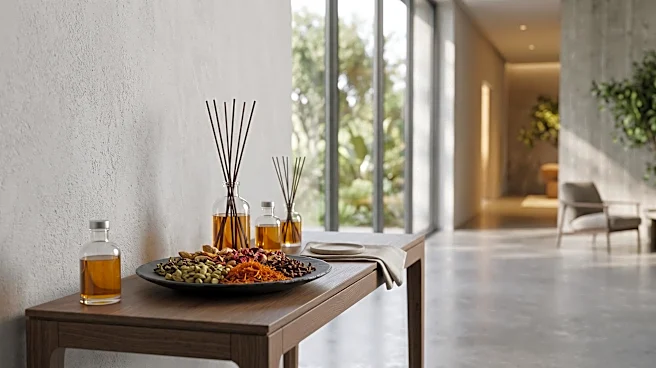
The exploration by Istituto Marangoni Firenze into the role of fragrance in design and hospitality signifies a growing recognition of sensory experiences as a critical component in various industries. For the U.S. hospitality sector, this trend suggests a shift towards more immersive and memorable guest experiences. By strategically incorporating unique scents, hotels and resorts can create distinct brand identities and foster stronger emotional connections with their patrons, potentially leading to increased customer loyalty and positive word-of-mouth. This approach moves beyond purely visual or auditory branding, tapping into the powerful link between scent and memory. Furthermore, the emphasis on cross-disciplinary study in fashion and design education indicates a demand for professionals who can integrate diverse creative and technical skills. U.S. design schools and businesses may need to adapt their curricula and strategies to include sensory design, particularly olfaction, to remain competitive and innovative in a market increasingly valuing holistic consumer experiences. This could open new avenues for collaboration between fragrance houses, designers, and hospitality brands.
What's Next?
The initiatives by Istituto Marangoni Firenze are likely to inspire further integration of fragrance into design and hospitality practices globally, including within the U.S. We can anticipate an increased focus on sensory branding strategies in hotels, resorts, and other consumer-facing environments. This could lead to more specialized roles for olfactory designers and sensory experience creators within these industries. Educational institutions in the U.S. may begin to incorporate similar cross-disciplinary studies, recognizing the growing importance of fragrance in shaping consumer perceptions and experiences. Furthermore, the success of these projects could encourage more collaborations between academic institutions, fragrance companies, and hospitality groups to research and develop innovative scent applications. The discussions at events like Pitti Fragranze will likely influence industry best practices and standards for using fragrance to enhance brand identity and customer engagement.
Beyond the Headlines
Beyond the immediate commercial applications, the deeper implications of integrating fragrance into design and hospitality touch upon the psychological and cultural dimensions of human experience. Scent has a profound ability to evoke emotions, trigger memories, and influence mood, often unconsciously. By intentionally designing olfactory landscapes, industries can subtly manipulate consumer behavior and create powerful, lasting impressions. This raises ethical considerations regarding transparency and manipulation in marketing. Culturally, the use of specific scents can also reinforce or challenge existing perceptions of luxury, comfort, or authenticity. The move towards sensory design highlights a broader societal trend of seeking more immersive and personalized experiences, moving beyond purely functional or aesthetic considerations. This shift could lead to a re-evaluation of how environments are designed and experienced, emphasizing the holistic impact on individuals rather than just their visual or tactile engagement. The long-term impact could be a more nuanced and sophisticated approach to environmental design, where every sensory input is carefully considered.