





What's Happening?
Manufacturers are being advised to strategically invest in new equipment when facing specific operational challenges, according to Patriot Industrial Partners. Key indicators for such investments include when current production capacity cannot meet customer
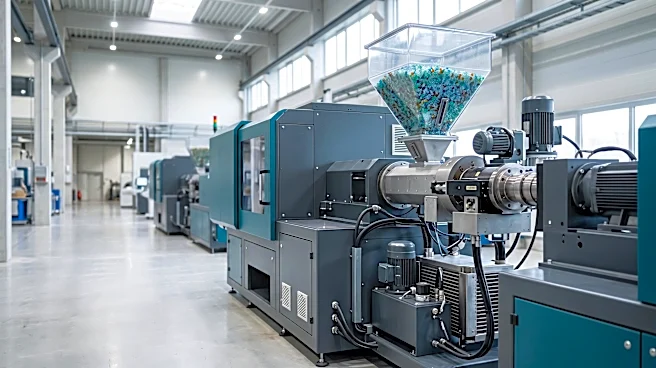
demand, leading to backlogs, missed schedules, or excessive overtime. Another significant sign is rising equipment downtime and maintenance costs, where aging machinery becomes more expensive to repair than to replace, causing production interruptions and increased indirect costs. Additionally, if existing equipment fails to meet quality requirements due to process variation or outdated technology, new machinery can improve product quality and reduce waste. Long-term demand justifying additional manufacturing capacity, and the potential for automation to address labor and safety constraints, are also crucial considerations. Finally, investing in new equipment can create strategic manufacturing capabilities, allowing companies to enter new markets, produce advanced components, or enhance supply chain resilience.
Why It's Important?
The strategic investment in new manufacturing equipment is vital for the competitiveness and sustainability of U.S. industries. By addressing production bottlenecks and improving efficiency, manufacturers can meet growing customer demands, reduce operational costs, and enhance product quality. This directly impacts their profitability and market share. The emphasis on evaluating the true production constraint before purchasing new equipment helps prevent misallocated capital, ensuring that investments genuinely solve existing problems rather than creating expensive, underutilized assets. Furthermore, the push towards automation and advanced technologies not only boosts productivity but also addresses labor shortages and improves workplace safety, contributing to a more robust and resilient manufacturing sector. This guidance helps U.S. manufacturers make informed decisions that support long-term growth and innovation.
What's Next?
Manufacturers are encouraged to conduct thorough assessments of their production processes and capacity before committing to new equipment purchases. This involves identifying actual bottlenecks, evaluating existing capacity, and developing capital plans aligned with customer demand and operational needs. Patriot Industrial Partners suggests that a sound manufacturing equipment investment begins with a practical capital expenditure business case, considering factors like verified production constraints, practical capacity requirements, demand confidence, total cost of ownership, implementation schedule, workforce readiness, downstream capacity, and alternative options. Before investing, manufacturers should also explore operational improvements such as better scheduling, shorter changeovers, and preventive maintenance, as these can often delay or reduce the need for significant capital outlay. The future will likely see a continued focus on data-driven decision-making and comprehensive evaluations to ensure optimal returns on equipment investments.
Beyond the Headlines
The decision to invest in new manufacturing equipment extends beyond mere financial calculations; it reflects a broader commitment to innovation, efficiency, and workforce development within the U.S. industrial landscape. By upgrading machinery, manufacturers are not only improving their immediate output but also fostering a culture of continuous improvement and technological adoption. This can lead to the creation of higher-skilled jobs, as employees are trained to operate and maintain advanced systems. Moreover, the strategic acquisition of new capabilities can reduce reliance on foreign supply chains, bolstering national economic security and resilience. The ethical dimension involves ensuring that automation is implemented in a way that complements human labor, rather than simply replacing it, and that investments contribute to sustainable manufacturing practices. Ultimately, these decisions shape the future of American manufacturing, influencing its global competitiveness and its ability to adapt to evolving economic and environmental challenges.