





What's Happening?
Martha Stewart, the renowned trendsetter and homemaker, recently shared her strong opinions on gardening trends, specifically expressing her disdain for black and red mulch. In an interview with House Beautiful, Stewart clarified that while she doesn't
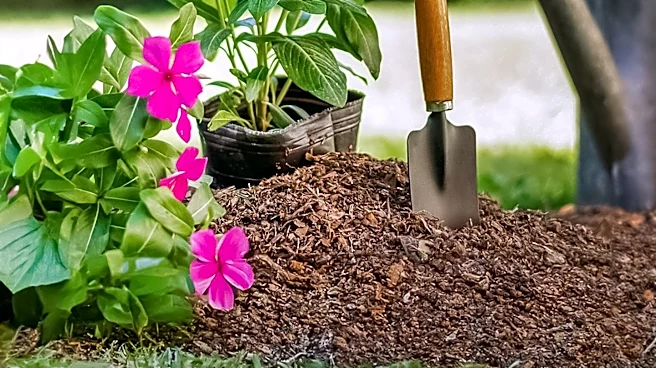
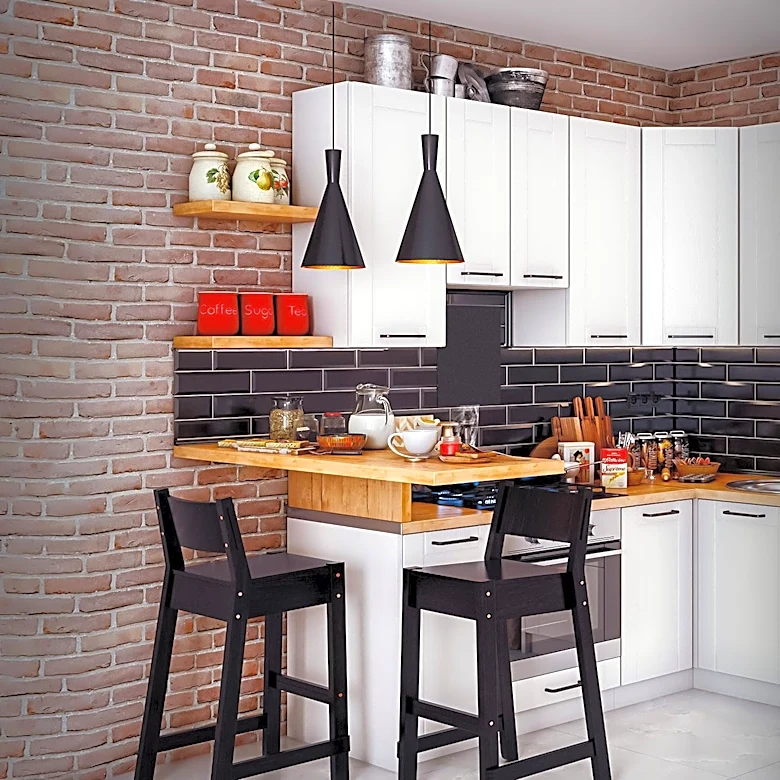
'hate anything' and believes people can garden as they wish, she dislikes 'fakery' and 'plastic' in a garden, explicitly naming black or red mulch as examples. Stewart, who owns multiple properties including a farm in Bedford, New York, and an estate in Maine, is known for her natural and no-fuss approach to garden design. Her homes, particularly her Bedford farm with its 'cluttercore kitchen,' are frequently featured on her Instagram, showcasing her gardening progress and transformations. She emphasizes her preference for 'natural, beautiful, wonderful plants' over artificial elements.
Why It's Important?
Martha Stewart's influence in home and garden aesthetics is significant, and her pronouncements often shape public perception and consumer choices within the lifestyle and home improvement sectors. Her public disapproval of specific gardening products like black and red mulch could impact sales and trends in the landscaping industry. Consumers who look to Stewart for guidance on home and garden design might reconsider using these types of mulch, potentially leading to a shift towards more natural alternatives. This highlights the power of celebrity endorsement and criticism in influencing market dynamics and consumer preferences, particularly in industries where aesthetic appeal and perceived quality are paramount. Manufacturers and retailers of gardening products may need to adapt their marketing strategies or product offerings in response to such influential statements.
What's Next?
Following Martha Stewart's comments, there could be a noticeable shift in consumer preferences regarding gardening mulch. Retailers might observe a decline in demand for black and red mulch, potentially leading to increased sales of natural or uncolored alternatives. Garden centers and home improvement stores may adjust their inventory to reflect this potential change in consumer interest. Additionally, other gardening experts and influencers might weigh in on the debate, either supporting Stewart's stance or offering counterarguments, further shaping public discourse around sustainable and aesthetically pleasing gardening practices. This could also prompt manufacturers to innovate and develop new, more natural-looking mulch options to cater to evolving consumer tastes influenced by figures like Stewart.
Beyond the Headlines
Stewart's comments extend beyond mere aesthetic preference, touching upon broader themes of authenticity and naturalism in design. Her rejection of 'fakery' and 'plastic' in gardens reflects a growing societal trend towards sustainability and environmental consciousness. The 'cluttercore kitchen' in her Bedford farm, mentioned in the context of her natural approach, suggests a broader embrace of lived-in, authentic spaces over overly manicured or artificial ones. This perspective aligns with a movement away from highly processed or artificial products in various aspects of life, from food to home decor. Her stance could encourage a deeper appreciation for the inherent beauty of natural materials and processes in gardening, fostering a more environmentally conscious approach among her followers and the wider public.