


What's Happening?
Home fragrance rituals are being increasingly personalized to align with individual lifestyles and preferences, moving beyond generic seasonal scents. This approach emphasizes creating an atmosphere that supports desired feelings, whether it's rest, focus,
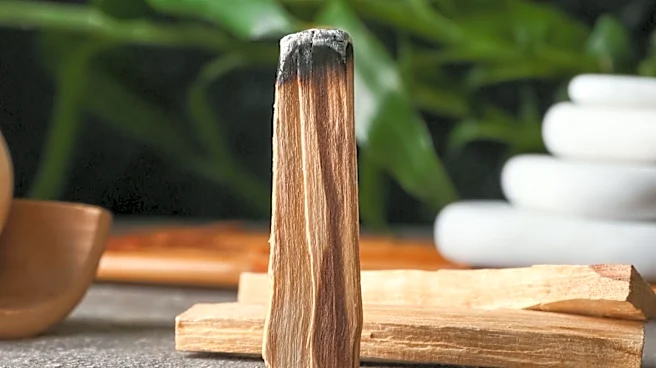
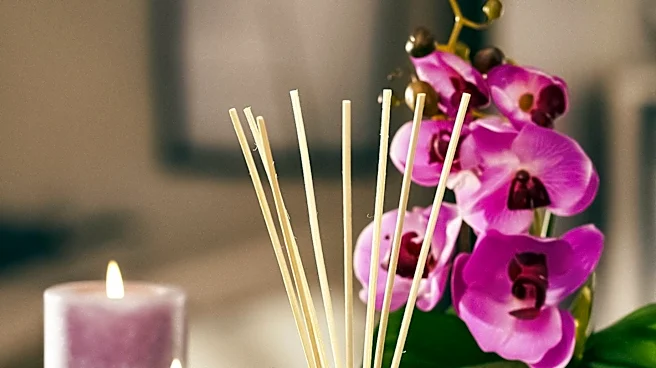
or comfort. For instance, diffusers can be strategically placed for morning freshness, while candles are reserved for evening relaxation. The trend involves selecting scents based on emotional tone rather than just popular trends, with citrus notes for energy, soft florals for calm, and warm woods for comfort. The format of the fragrance also plays a role, with candles offering a ceremonial feel, reed diffusers providing consistent background scent, and perfume fragrance oils adding a personal, intimate layer. The goal is to create a harmonious fragrance flow throughout the home, avoiding competing scents that can overwhelm the atmosphere.
Why It's Important?
This shift towards personalized home fragrance rituals reflects a broader consumer trend in the U.S. wellness economy, where individuals seek to integrate sensory experiences into their daily routines for improved well-being. By tailoring scents to specific times of day, activities, or desired moods, consumers can actively manage their home environment to reduce stress, enhance relaxation, or boost energy. This approach impacts the home fragrance industry by driving demand for diverse scent profiles, high-quality ingredients, and various product formats that cater to nuanced preferences. It also highlights the psychological impact of scent, which directly influences the limbic system responsible for mood and stress response. For businesses, understanding these personalized needs can lead to innovative product development and marketing strategies that resonate with consumers seeking more intentional and beneficial home environments.
What's Next?
The home fragrance market is likely to see continued innovation in product offerings that support personalized rituals. This could include more sophisticated smart diffusers that allow for scheduled scent releases, subscription services tailored to individual scent preferences, and a greater emphasis on natural, phthalate-free ingredients. Consumers may also increasingly seek out brands that offer customizable scent blending options or educational resources on how to create effective fragrance flows within their homes. The integration of fragrance with other wellness practices, such as meditation or active recovery, is also expected to grow, leading to specialized product lines. Retailers may focus on creating experiential shopping environments where customers can explore and discover scents that align with their personal well-being goals.
Beyond the Headlines
The emphasis on personalized home fragrance rituals extends beyond mere aesthetics, touching upon deeper psychological and cultural dimensions. It signifies a growing awareness of how our immediate environment impacts mental and emotional health, transforming home fragrance from a luxury item into a tool for self-care and intentional living. This trend also reflects a desire for authenticity and individuality, as consumers move away from mass-market scents towards those that genuinely resonate with their personal experiences and memories. Ethically, there's a rising demand for transparency in ingredient sourcing and production, pushing brands towards sustainable and health-conscious practices. Culturally, these rituals contribute to the creation of personal sanctuaries, where the home becomes a curated space that actively supports the inhabitant's well-being, reflecting a broader societal shift towards holistic health and mindful consumption.