



What's Happening?
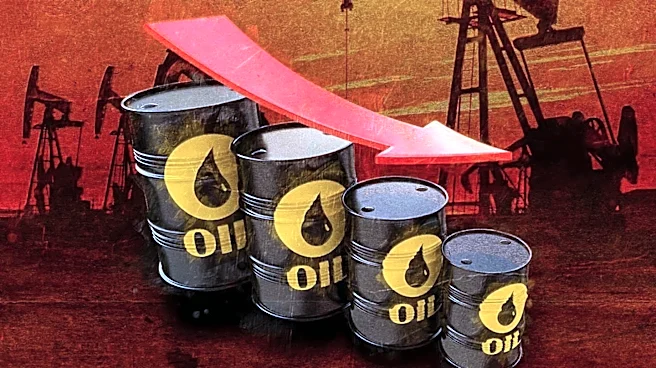
The ongoing conflict between the U.S. and Iran has significantly impacted the oil market, leading to a surge in oil prices. From April to June, U.S. crude oil futures averaged over $92, marking a 27% increase. Major oil companies like ExxonMobil and Chevron
reported substantial profit increases, with Exxon's profits doubling to $14.5 billion and Chevron's net income rising by nearly 400%. This boom has attracted investors to the energy sector, but experts warn that holding onto these gains could be risky as the market remains volatile.
Why It's Important?
The surge in oil prices due to geopolitical tensions highlights the vulnerability of global energy markets to political events. While short-term gains have been significant for investors, the volatility poses risks, especially for those without deep market knowledge. The situation underscores the importance of geopolitical stability for economic stability and the potential for significant financial impacts on industries reliant on oil. The energy sector's performance also affects broader economic indicators, influencing inflation and consumer prices.
What's Next?
Investors face a critical decision on whether to maintain their positions in the energy sector amid ongoing volatility. The potential resolution of the U.S.-Iran conflict could stabilize oil prices, impacting future profits. Experts suggest that long-term investors consider diversifying their portfolios to mitigate risks associated with geopolitical events. The market will continue to watch for developments in the Middle East and their implications for global oil supply and prices.