





What's Happening?
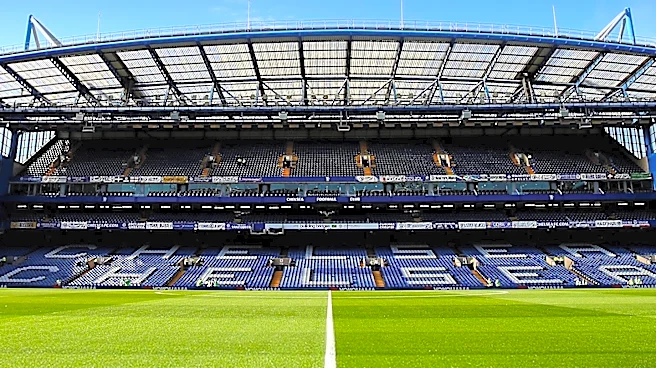
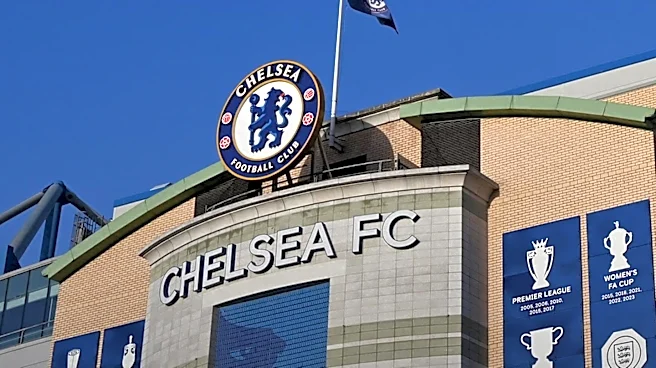
Chelsea Football Club has been fined £10 million by The Football Association (FA) and faces a suspended two-window transfer ban due to breaches of FA regulations. The charges, which include 74 breaches of FA Rule E1.2, were self-reported by Chelsea's
current ownership, BlueCo, following their acquisition of the club. The violations primarily occurred during Roman Abramovich's ownership, between the 2010/11 and 2015/16 seasons. Initially, Chelsea was facing a 15-point deduction, which could have led to relegation from the Premier League. However, due to the club's cooperation and self-reporting, the penalty was reduced to a six-point deduction, which was later overturned on appeal. Instead, a suspended transfer ban was imposed, effective until June 2027. The £10 million fine will be invested in grassroots football.
Why It's Important?
This decision highlights the importance of regulatory compliance in professional sports and the potential consequences of failing to adhere to established rules. For Chelsea, the financial penalty and the threat of a transfer ban could impact their ability to compete at the highest levels, affecting their strategic planning and player acquisitions. The case also underscores the role of self-reporting and cooperation with regulatory bodies in mitigating penalties. The investment of the fine into grassroots football could have positive long-term effects on the development of the sport at the community level. This situation serves as a cautionary tale for other clubs about the risks of regulatory breaches and the benefits of transparency and cooperation with governing bodies.
What's Next?
Chelsea will need to navigate the implications of the suspended transfer ban, which could affect their future transfer strategies. The club's management will likely focus on ensuring compliance with all regulatory requirements to avoid triggering the ban. Additionally, the FA's ongoing investigation into individual misconduct related to this case may lead to further actions or penalties. Chelsea's ability to maintain competitive performance in the Premier League and other competitions will be closely watched, as will their efforts to rebuild trust with fans and stakeholders. The club's proactive approach in addressing these issues may serve as a model for other organizations facing similar challenges.