





What's Happening?
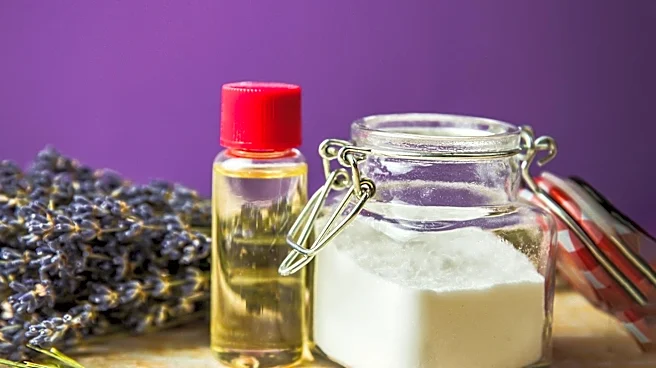
Making natural deodorant at home is a straightforward process, typically requiring just three core ingredients: coconut oil, baking soda, and arrowroot powder or cornstarch. These components are combined to create a mixture that can be applied to the
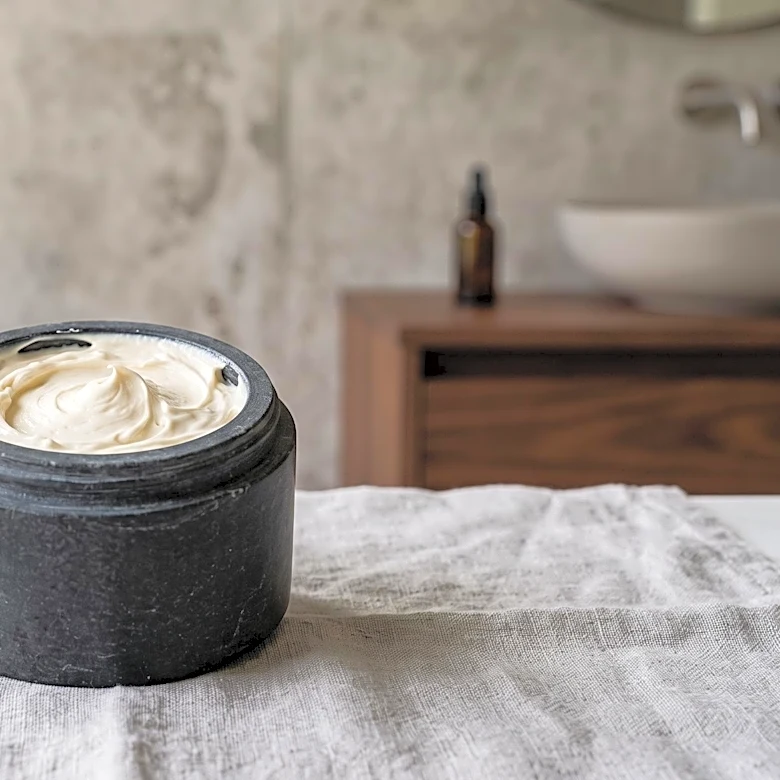
underarms. Coconut oil serves as the base, providing a spreadable consistency, while baking soda helps control odor. Arrowroot powder or cornstarch contributes to a drier feel and aids in moisture absorption. The process involves gently softening coconut oil, mixing dry ingredients, combining them until smooth, and then transferring the mixture to a container to cool and firm. Customization is possible by adjusting ingredient ratios for sensitive skin, omitting baking soda, or adding essential oils for fragrance. It's important to note that homemade natural deodorants primarily manage odor and absorb moisture, differing from antiperspirants which block sweat production using aluminum salts. The effectiveness of natural deodorants may require an adjustment period of up to two weeks as the body adapts to the aluminum-free formula.
Why It's Important?
The growing interest in DIY natural deodorants reflects a broader consumer trend towards personal care products with fewer synthetic chemicals and a preference for natural ingredients. This shift is significant for the U.S. personal care market, as it indicates a demand for transparency and control over product formulations. For individuals, making their own deodorant offers a cost-effective and customizable solution, particularly for those with sensitivities to common commercial deodorant ingredients like aluminum salts or high concentrations of baking soda. The ability to tailor recipes to specific skin needs and scent preferences empowers consumers and can lead to a more personalized approach to hygiene. This trend also challenges traditional antiperspirant manufacturers to innovate and offer more natural or aluminum-free options to cater to this evolving consumer base, potentially influencing product development and marketing strategies across the industry.
What's Next?
As consumer awareness regarding ingredients in personal care products continues to rise, the market for natural and DIY alternatives is likely to expand. We can anticipate an increase in readily available ingredients for homemade deodorants, along with more diverse recipes catering to various skin types and preferences. Commercial brands may further invest in research and development to create natural deodorant formulations that rival the efficacy and convenience of traditional antiperspirants, without the use of aluminum. This could lead to a wider array of natural deodorant products on store shelves, offering consumers more choices beyond homemade options. Additionally, educational resources and workshops on DIY personal care might become more prevalent, further empowering individuals to create their own products and fostering a community around natural living.
Beyond the Headlines
The movement towards DIY natural deodorants extends beyond mere product choice; it signifies a deeper cultural shift towards self-sufficiency, health consciousness, and environmental awareness. By opting for homemade solutions, individuals are not only avoiding potentially irritating chemicals but also reducing their environmental footprint by minimizing packaging waste and supporting sustainable ingredient sourcing. This trend also highlights a growing skepticism towards mass-produced consumer goods and a desire for greater control over what is applied to the body. The emphasis on natural ingredients and the rejection of aluminum in deodorants reflect a broader concern about long-term health impacts and a preference for holistic wellness. This could influence other sectors of the personal care industry, encouraging a re-evaluation of ingredient lists and manufacturing processes across a wider range of products.