







What's Happening?
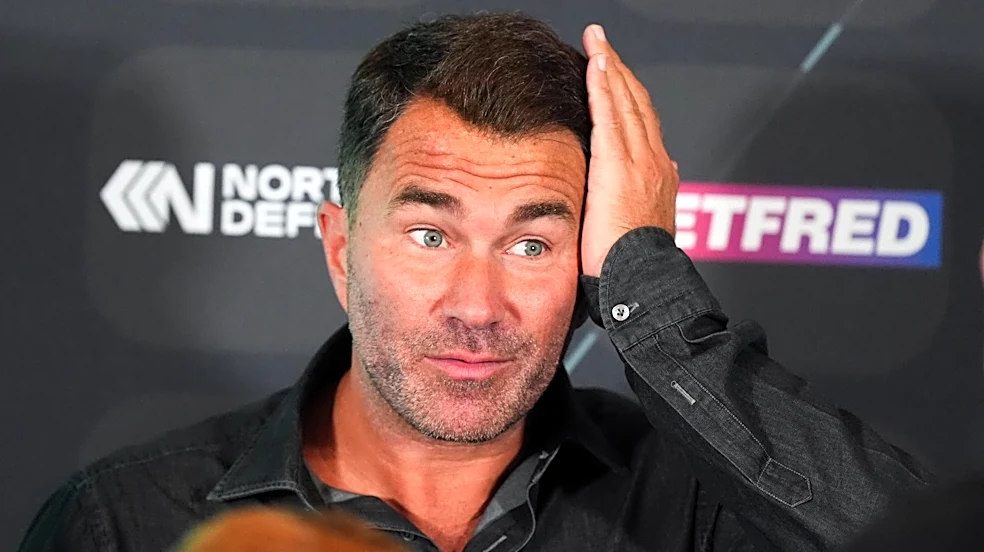
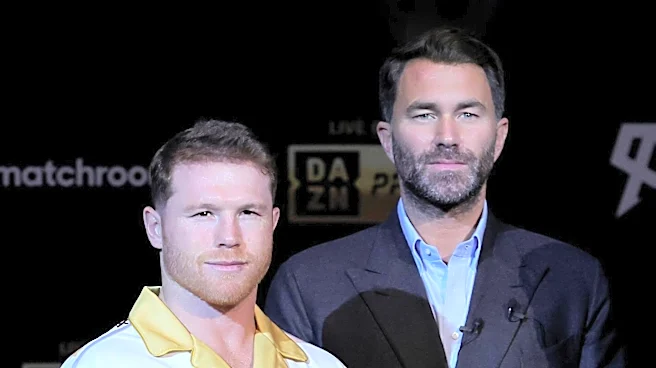
Eddie Hearn, head of Matchroom Boxing, has publicly stated his belief that Zuffa Boxing is collapsing, citing a series of operational failures and financial difficulties. Hearn points to Zuffa Boxing's lack of shows in America since July and only two
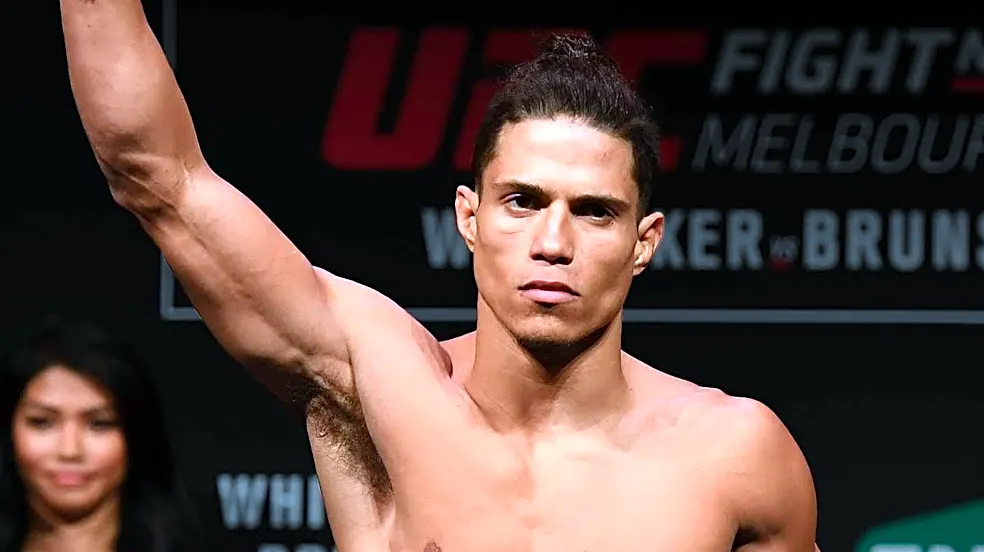
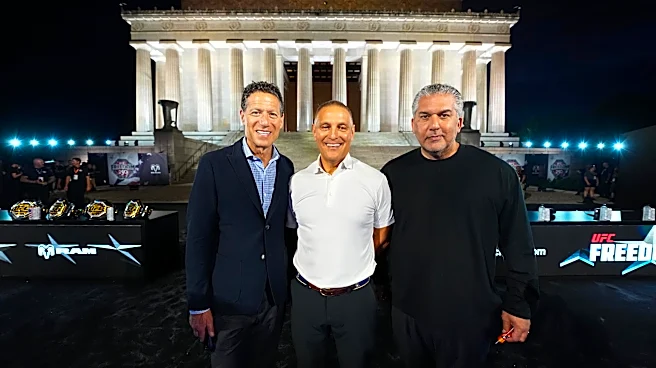
'bang average' shows in the UK as evidence of their struggles. He also highlights the departure of fighter Shakur Stevenson before he had a single fight with the promotion as a significant public relations disaster. Hearn suggests that Zuffa Boxing's difficulties stem from their inability to adapt to the unique and challenging landscape of boxing promotion, which differs significantly from the more controlled environment of the UFC. He observes that the pressure is visibly affecting Dana White, indicating a broader struggle within the organization.
Why It's Important?
Eddie Hearn's pronouncement of Zuffa Boxing's collapse is significant because it comes from a prominent figure in the boxing world and reflects a sentiment that Zuffa's ambitious entry into the sport has not met expectations. If Zuffa Boxing, backed by the financial power of TKO Group Holdings, fails to establish a strong foothold, it reinforces the notion that traditional boxing promotion, with its complex web of promoters, managers, and fighters, is difficult to disrupt. This situation could deter other large entities from attempting similar ventures, preserving the existing power structures within the sport. For fighters, the instability of a major promotional entity like Zuffa Boxing means fewer potential avenues for lucrative contracts and high-profile fights, potentially impacting their earning potential and career trajectories. The perceived failure also serves as a cautionary tale about underestimating the intricacies and established dynamics of the boxing industry.
What's Next?
If Eddie Hearn's assessment proves accurate, Zuffa Boxing may continue to scale back its operations or potentially exit the boxing promotion business entirely. This would likely lead to more fighters seeking to terminate their contracts and explore opportunities with other established promoters. The competitive landscape among boxing promoters could see a return to pre-Zuffa dynamics, with Matchroom, Top Rank, and other long-standing organizations continuing to dominate. The financial resources that Zuffa Boxing had brought into the sport, particularly through its Saudi backing, would be reallocated or disappear, potentially leading to a more conservative approach to fighter purses and event budgets across the industry. Dana White and TKO Group Holdings will face increased scrutiny regarding their boxing venture, and any future attempts to enter new sports markets may be viewed with skepticism.
Beyond the Headlines
The potential collapse of Zuffa Boxing highlights the cultural and structural differences between mixed martial arts (MMA) and boxing. While the UFC, also under Zuffa, operates with a high degree of control over its fighters and events, boxing's decentralized nature, with multiple sanctioning bodies, promoters, and independent contractors, presents a far more complex environment. Hearn's comments about Dana White's struggles suggest that the 'total control' approach successful in MMA may not translate effectively to boxing, where negotiation, established relationships, and navigating diverse interests are paramount. This situation also raises questions about the sustainability of business models heavily reliant on external, non-endemic investment in sports. The long-term health of a sport often depends on organic growth and financially viable operations, rather than short-term injections of capital that can be withdrawn abruptly. The episode serves as a case study in the challenges of cross-sport business expansion and the resilience of established industry ecosystems.