


What's Happening?
The current television landscape is witnessing a surge in the presence of 'nepo babies,' a term used to describe the children of celebrities who are making their mark in the entertainment industry. This summer, several high-profile shows feature the offspring
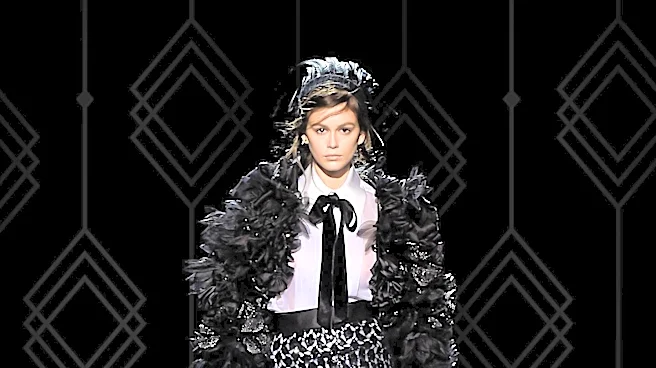
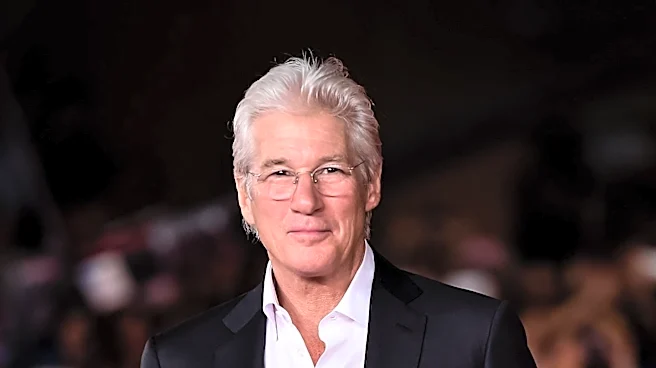
of well-known actors. Notable examples include Homer Gere, son of Richard Gere and Carey Lowell, starring in the FX/Hulu thriller 'The Shards,' and Kaia Gerber, daughter of Cindy Crawford and Rande Gerber, who also appears in the same show. Additionally, Taylor Dearden, daughter of Bryan Cranston and Robin Dearden, is gaining attention for her role in the medical drama 'The Pitt.' The trend extends to other celebrity children such as West Duchovny, daughter of David Duchovny and Téa Leoni, in 'The Five-Star Weekend,' and Charlie Hall, son of Julia Louis-Dreyfus and Brad Hall, who is set to appear in the upcoming season of 'The White Lotus.' This phenomenon highlights the growing visibility and influence of celebrity offspring in the entertainment industry.
Why It's Important?
The prominence of 'nepo babies' in television raises questions about the dynamics of opportunity and privilege in the entertainment industry. While these young actors bring talent to their roles, their familial connections often provide them with unique advantages in securing high-profile projects. This trend can impact the industry's diversity and inclusivity, potentially limiting opportunities for emerging talents without such connections. The visibility of these actors also reflects broader societal discussions about privilege and meritocracy, as audiences and industry professionals alike consider the implications of familial ties on career trajectories. The success of these celebrity offspring may inspire other industry hopefuls, but it also underscores the challenges faced by those without similar backgrounds.
What's Next?
As the trend of 'nepo babies' continues, it is likely that the entertainment industry will face increased scrutiny regarding its hiring practices and the balance between talent and connections. Industry stakeholders, including casting directors and producers, may need to address these concerns by ensuring a more equitable distribution of opportunities. Additionally, audiences may become more vocal in their expectations for diversity and representation on screen. The ongoing success of these celebrity offspring could also lead to more collaborations between established actors and their children, further solidifying the presence of familial legacies in Hollywood.
Beyond the Headlines
The rise of 'nepo babies' in television could have long-term cultural implications, influencing how success is perceived and achieved in the entertainment industry. This trend may contribute to a shift in the industry's values, where personal connections are increasingly seen as a legitimate pathway to success. It also raises ethical questions about fairness and the role of privilege in shaping career opportunities. As the industry evolves, there may be a growing emphasis on transparency and accountability in casting decisions, as well as a push for initiatives that support underrepresented voices. The conversation around 'nepo babies' could ultimately lead to a reevaluation of what it means to earn success in Hollywood.