







What's Happening?
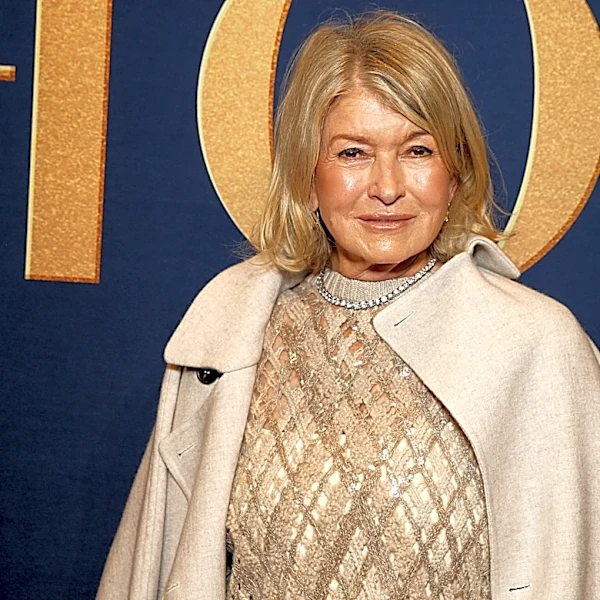
Susan Dell, wife of Dell Technologies CEO Michael Dell, has garnered significant online attention following her appearance at the White House alongside President Trump. Her striking makeup, featuring prominent eyeliner, carefully drawn eyebrows, emphasized
cheekbones through contouring, pink blush, and coordinating lipstick, led to widespread speculation about a 'Mar-a-Lago makeover.' This term refers to a perceived trend among women in President Trump's inner circle, including Karoline Leavitt and Kimberly Guilfoyle, who have adopted a more polished aesthetic characterized by fuller lips, bold makeup, sculpted jawlines, and voluminous hairstyles. Social media users commented on Dell's transformation, with some attributing it to the influence of President Trump's circle. Additionally, Barbera Thornhill, President Trump's newly appointed Ambassador-at-Large to Monitor and Combat Trafficking in Persons, also attracted viral attention for her refreshed appearance in an official portrait, further fueling the 'Mar-a-Lago effect' discussion.
Why It's Important?
The discussion surrounding Susan Dell's appearance, and the broader 'Mar-a-Lago makeover' trend, highlights societal pressures and evolving beauty standards within political spheres. It underscores how public figures, particularly women, face intense scrutiny regarding their appearance, especially when associated with prominent political figures. Psychologist Dr. Michele Leno noted that the spotlight can make individuals feel inferior and that the desire to look one's best is understandable, but current beauty standards often exclude minor imperfections. This trend reflects a confluence of self-consciousness, societal expectations, and the influence of public figures on personal presentation. The online commentary also reveals a critical perspective on how political associations can be perceived to influence personal choices, particularly in the realm of aesthetics, and how these perceptions can become a subject of public debate.
What's Next?
The ongoing discussion about the 'Mar-a-Lago makeover' is likely to continue as more women associated with President Trump's circle make public appearances. This trend could further influence beauty standards and perceptions within political and social circles, potentially encouraging others to adopt similar aesthetic choices. The increased scrutiny on the appearances of public figures, particularly women, is also likely to persist, prompting ongoing conversations about body image, societal pressures, and the role of media in shaping perceptions of beauty. As political events unfold, the visual presentation of individuals in the public eye will remain a topic of interest and discussion, potentially leading to further analysis from cultural commentators and psychologists on the underlying motivations and impacts of such trends.
Beyond the Headlines
Beyond the superficial discussion of makeup and hairstyles, the 'Mar-a-Lago makeover' phenomenon touches upon deeper cultural and psychological implications. It reflects the immense pressure on individuals, especially women, in high-profile public roles to conform to certain aesthetic ideals, which can be amplified within specific social or political environments. Dr. Leno's insights suggest that while striving to look one's best is natural, the current emphasis on flawless appearances, partly driven by social media and selfies, can lead to increased consideration of cosmetic procedures. This trend also raises questions about authenticity and self-expression versus conformity in public life, and how these choices are interpreted by the public. It highlights the intersection of personal image, political affiliation, and societal expectations, revealing how appearance can become a subject of intense public and media scrutiny, often overshadowing other aspects of an individual's contributions or roles.