





What's Happening?
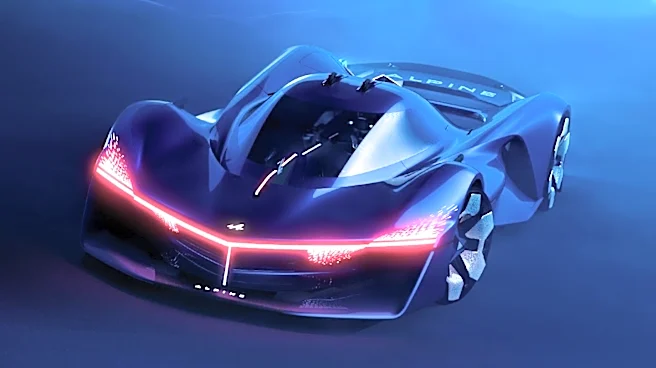
Alpine has introduced the A310 Vision, a concept car that reinterprets the original Alpine A310 from the 1970s. This design study combines the geometric simplicity of the classic A310 with contemporary proportions, advanced materials, and a bold aerodynamic
identity. The concept was created to commemorate the 55th anniversary of the four-cylinder Alpine A310 and the 50th anniversary of the A310 V6. Instead of a direct recreation, Alpine's design team aimed to translate the distinctive character of the original into a modern vehicle. The A310 Vision features a low-slung silhouette, sculptural aluminum bodywork, and futuristic aerodynamic details, including pop-down headlights and a central Y zero blade element. Its interior, glimpsed through a semi-transparent cabin, emphasizes sculptural forms, color-blocked surfaces, and physical controls inspired by high-end hi-fi equipment, prioritizing tactile interaction over a screen-dominated environment. The concept is built on Alpine's new APP platform, which offers flexibility for exploring alternative proportions and design interpretations.
Why It's Important?
The Alpine A310 Vision concept is significant as it showcases the brand's approach to blending its rich heritage with future design philosophies, particularly in an era where the automotive industry is rapidly evolving towards electrification and new platforms. While not confirmed for production, this design exercise demonstrates how a classic sports car's identity can be modernized, potentially influencing future Alpine models and the broader sports car market. The emphasis on tactile controls in the interior, rather than a fully screen-dominated environment, could resonate with enthusiasts who value a more engaging driving experience, offering a counter-narrative to the increasing digitalization of vehicle cockpits. Furthermore, the use of the new APP platform highlights Alpine's commitment to developing versatile architectures that can support diverse design explorations and potentially different powertrain types, signaling the brand's strategic direction in a competitive and changing automotive landscape.
What's Next?
Alpine has stated that the A310 Vision is an independent design study and not an announcement of a future production model. However, it serves as a design laboratory for examining how Alpine's visual identity could evolve. The concept's unveiling, potentially ahead of a major auto show like the Paris Motor Show, suggests Alpine is keen to gauge public and industry reaction to its design direction. While there are no confirmed production plans, powertrain details, or performance figures, the concept's foundation on the APP multi-energy platform, also used by the new A110, hints at the potential for future electrified models. Speculation exists about a possible production target date around 2028, but this remains unconfirmed. The project's primary goal is to explore form, proportion, and emotion, rather than presenting a complete technical specification for a road-going sports car, indicating that future Alpine designs may draw inspiration from this concept's aesthetic and philosophical underpinnings.
Beyond the Headlines
The Alpine A310 Vision concept delves into the deeper implications of automotive design in an era of technological transition. By reinterpreting a 1970s icon, Alpine is engaging in a dialogue about brand identity and heritage in the context of modern innovation. The concept's retro-futuristic aesthetic suggests a growing trend in the automotive industry to look to the past for inspiration while embracing advanced materials and aerodynamic principles. The choice to prioritize physical controls and tactile interaction in the cockpit, rather than a purely digital interface, could reflect a broader cultural yearning for more sensory and engaging experiences in an increasingly digitized world. This approach challenges the notion that technological advancement must always equate to more screens and less physical interaction. The A310 Vision, therefore, is not just about a car; it's about how a brand can maintain its soul and appeal by thoughtfully integrating its legacy with the demands and possibilities of the future, potentially influencing design philosophies across the industry.