







What's Happening?
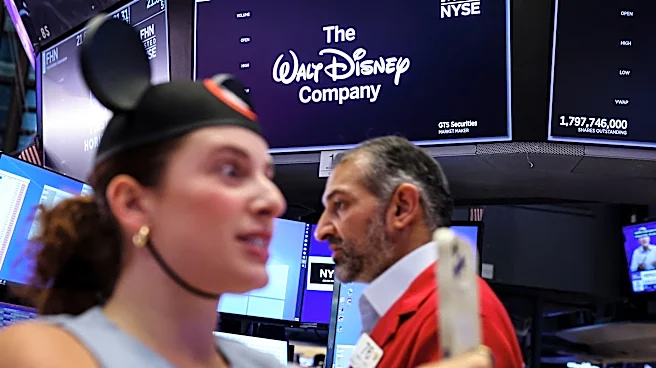
The Walt Disney Company has agreed to a $50 million settlement in response to a class action lawsuit alleging that the company forced YouTube TV and DirecTV Stream to inflate their subscription prices. The lawsuit claims that Disney's requirement for these
providers to carry ESPN and other Disney-owned channels led to artificially inflated prices, violating federal and state antitrust and consumer protection laws. Although Disney denies any wrongdoing, the settlement will compensate eligible subscribers who held a YouTube TV or DirecTV Stream subscription between April 1, 2019, and March 31, 2026. To receive a payout, eligible individuals must submit a valid claim form by September 8, 2026. The settlement also includes proposed changes allowing streaming distributors to offer packages excluding ESPN channels, providing more flexibility in negotiating carriage agreements.
Why It's Important?
This settlement is significant as it addresses consumer concerns over rising streaming service costs, which have been a point of contention in the industry. By agreeing to the settlement, Disney is acknowledging the impact of its channel bundling practices on subscription prices, which could lead to more competitive pricing structures in the future. The proposed changes to allow streaming services to exclude ESPN channels could set a precedent for more customizable and affordable streaming packages, benefiting consumers who seek more tailored content options. This development may also influence other media companies to reconsider their bundling strategies, potentially reshaping the landscape of streaming services.
What's Next?
The final approval hearing for the settlement is scheduled for January 14, 2027. If approved, settlement payments will be distributed, typically within 90 days. Disney's agreement to entertain proposals for packages excluding ESPN channels could lead to new negotiations with streaming providers, potentially resulting in more diverse and cost-effective offerings for consumers. Additionally, the outcome of this settlement may prompt further scrutiny of similar practices by other media companies, potentially leading to more regulatory actions or settlements in the industry.