

What's Happening?
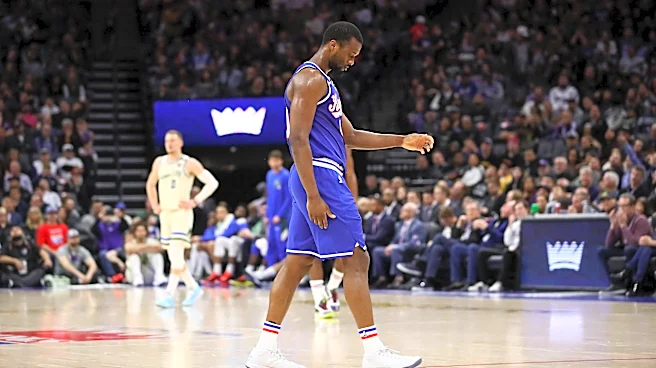
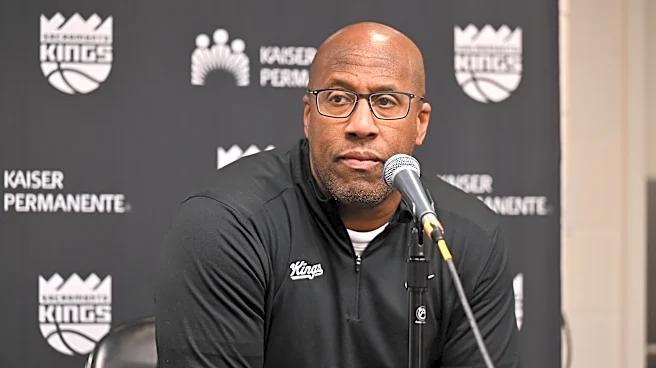
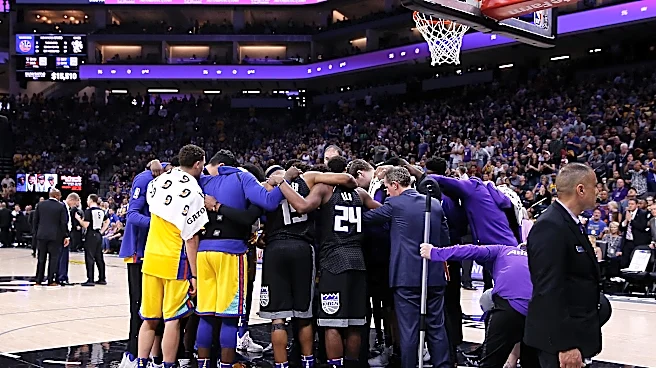
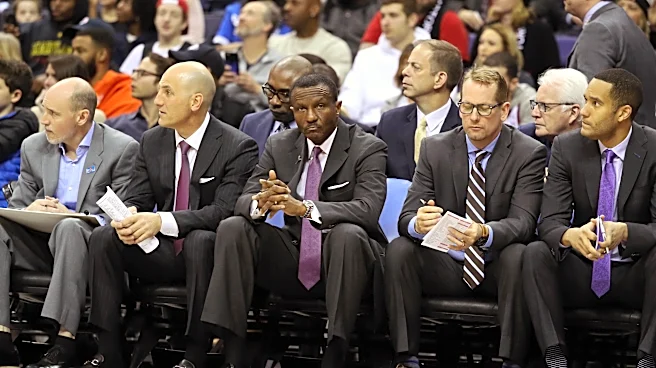
The Sacramento Kings have decided to retain head coach Doug Christie for the remainder of the 2026-2027 NBA season, despite the team's historically poor 1-13 start. This record ties the 1990-91 squad for the worst 14-game start in franchise history, placing
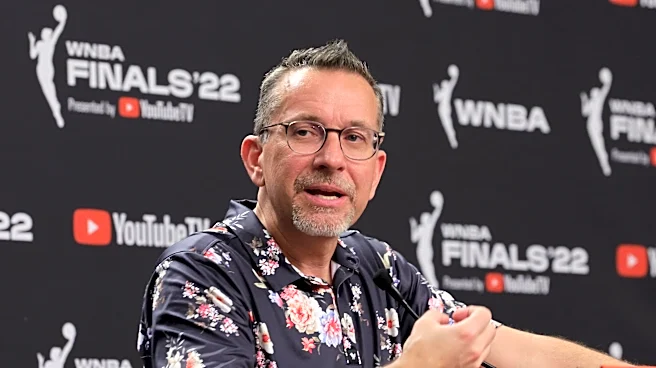
the Kings at the bottom of the Western Conference standings. According to NBA insider Sam Amick of The Athletic, the Kings' management prefers stability and aims to avoid a midseason coaching change. General Manager Scott Perry is reportedly supporting Christie through this rebuilding phase, taking into account player injuries. Christie, who has been with the Kings since 2016 and is reportedly the lowest-paid coach in the NBA, acknowledged that his coaching seat is 'always hot' but emphasized his commitment to teaching and pushing the team. The team's struggles include ranking near the bottom of the league in both offensive and defensive ratings, being outscored by an average of 14.0 points per game, and holding an 0-9 home record at Golden 1 Center. The lone victory came against the Dallas Mavericks on November 2.
Why It's Important?
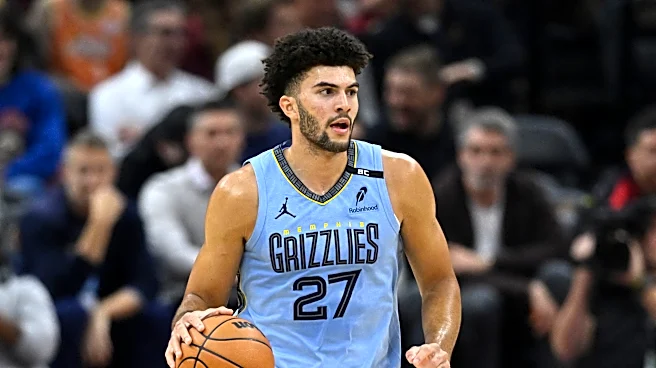
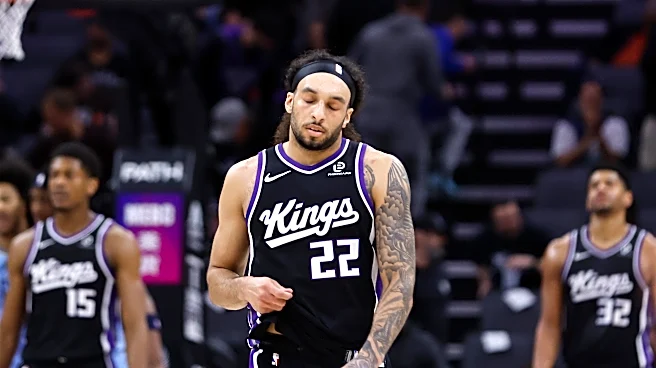
The decision to keep Coach Christie, despite the team's performance, highlights a strategic preference for organizational stability over immediate results, which could have significant implications for player development and team morale. While the front office cites a desire to support the growth of rookie point guard Darius Acuff Jr., some analysts and fans argue that a struggling coaching environment might hinder rather than help his development. The Kings' long-term strategy appears to involve letting Christie's contract expire at the end of the season, which is seen as a more cost-effective approach than firing him mid-season and incurring additional expenses for an interim coach. This approach could impact the team's ability to attract and retain talent, as potential free agents or draft picks might be wary of joining a team perceived to be in disarray or lacking a clear developmental path. The ongoing struggles could also further alienate a fan base that has not seen their team reach the NBA playoffs since the 2022 season.
What's Next?
The Sacramento Kings are expected to continue with Doug Christie as head coach for the duration of the current NBA season. The organization's focus will likely remain on the development of rookie Darius Acuff Jr. and the overall roster overhaul. It has been made clear that Christie is not expected to be the Kings' coach next season, indicating that the team will likely conduct a search for a new head coach in the offseason. This upcoming coaching search will be critical for the franchise's future direction, as they will need to find a leader capable of turning around the team's fortunes and fostering player development. The team will also need to address its roster deficiencies, particularly given its poor offensive and defensive ratings. The performance for the remainder of the season, while not expected to lead to a playoff berth, will be closely watched for any signs of improvement or individual player growth under Christie's leadership.
Beyond the Headlines
The Kings' decision to maintain coaching stability amidst a losing season raises questions about the balance between short-term performance and long-term organizational strategy in professional sports. While the stated reason is to avoid disrupting rookie development and maintain stability, the underlying financial implications of Christie's contract and his reported status as the lowest-paid coach in the NBA likely play a significant role. This situation could set a precedent for how struggling franchises manage coaching changes, potentially prioritizing fiscal prudence over immediate competitive adjustments. The impact on player psychology, particularly for young players like Darius Acuff Jr., is also a critical, less obvious implication. While the team aims to support his growth, a prolonged losing environment could affect his confidence and overall development. This scenario also highlights the pressure on general managers and owners to make decisions that satisfy both financial constraints and the competitive demands of the league, often leading to unpopular choices among fans and critics.