



What's Happening?
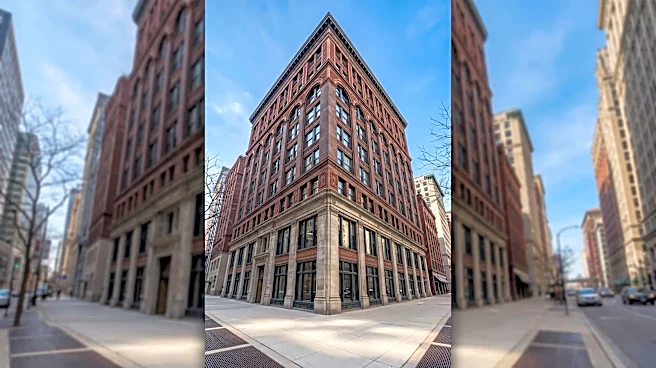
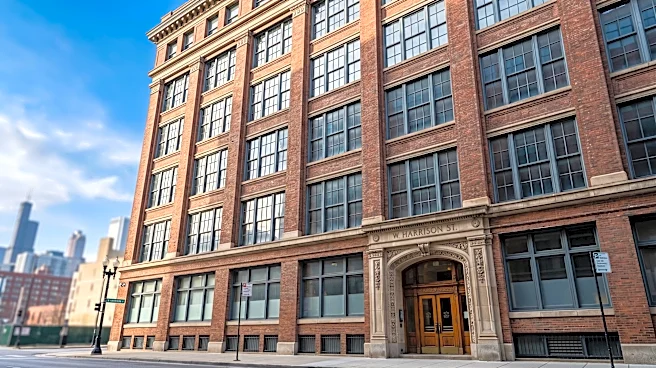
Senco Properties is planning a residential conversion of the seven-story office building located at 601 S. LaSalle in Chicago. The building, constructed around 1912, will be transformed into 70 residential units. The adaptive reuse project, designed by
FitzGerald, will not include retail space or car parking, but will provide 70 bike parking spaces. The ground floor will feature a residential entrance on W. Harrison St, a lobby, a package room, and six residential units. The basement will offer residents access to a fitness center, coworking space, a dog wash, bike storage, and resident storage. The upper floors will house ten units on the second and third floors, and eleven units on floors four through seven, totaling 70 units. The unit mix will comprise 8 studios, 28 one-beds, 10 one-bed pluses, 18 two-beds, five three-beds, and one four-bedroom unit. A tenant lounge and outdoor roof deck will be available on the top floor. To proceed, the developer is seeking a variation from the Zoning Board of Appeals to eliminate the required loading space and a special use permit for the conversion.
Why It's Important?
This project signifies a growing trend in urban centers like Chicago to repurpose underutilized commercial real estate into residential housing. The conversion of office buildings into apartments addresses several urban challenges simultaneously. It helps to alleviate housing shortages, particularly in dense city areas, by increasing the available residential stock. Furthermore, it revitalizes older buildings that may no longer be competitive in the modern office market, preventing urban decay and promoting sustainable development through adaptive reuse rather than new construction. The absence of car parking and inclusion of bike parking aligns with contemporary urban planning goals of reducing reliance on automobiles and promoting alternative transportation, which can lead to decreased traffic congestion and improved air quality. This type of development can also contribute to the vibrancy of downtown areas by bringing more residents, which in turn supports local businesses and services, fostering a more dynamic urban environment.
What's Next?
The immediate next step for Senco Properties is to secure the necessary approvals from the Zoning Board of Appeals. This includes obtaining a variation to eliminate the required loading space and a special use permit to allow the conversion of the existing office building into a multi-unit residential building. If these variations are granted, the developer will then be able to move forward with the permitting and construction phases of the project. The timeline for these approvals and subsequent construction will depend on the regulatory processes and any potential public feedback or challenges. Successful approval and completion of this project could encourage similar adaptive reuse developments in Chicago, particularly as the demand for residential units continues and the landscape of office space utilization evolves. The project's progress will be closely watched by other developers and city planners considering similar conversions.
Beyond the Headlines
The conversion of office buildings into residential units, as seen with 601 S. LaSalle, reflects a broader societal shift in how urban spaces are utilized, particularly in the post-pandemic era. With increased remote work, many office buildings are experiencing higher vacancy rates, making their conversion an economically viable and environmentally sound solution. This trend also highlights a re-evaluation of urban living, emphasizing walkability, access to amenities, and sustainable transportation options. The project's focus on bike parking over car parking is indicative of a move towards more eco-conscious urban planning and a younger demographic's preference for alternative transit. Legally and ethically, these conversions often involve navigating complex zoning laws and ensuring that the new residential units meet modern building codes and safety standards, which can be challenging for older structures. Culturally, such projects can transform the character of business districts into mixed-use neighborhoods, fostering a more integrated and vibrant urban fabric.