




What's Happening?
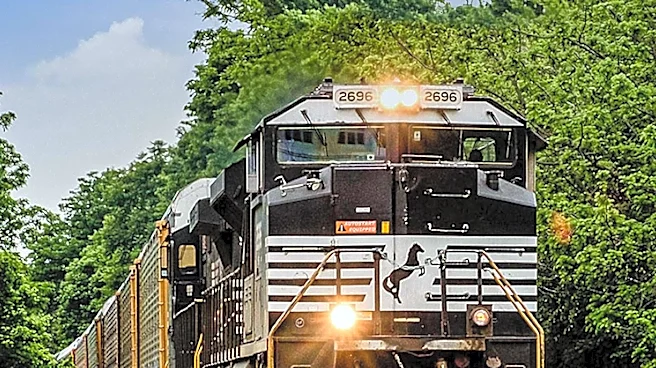
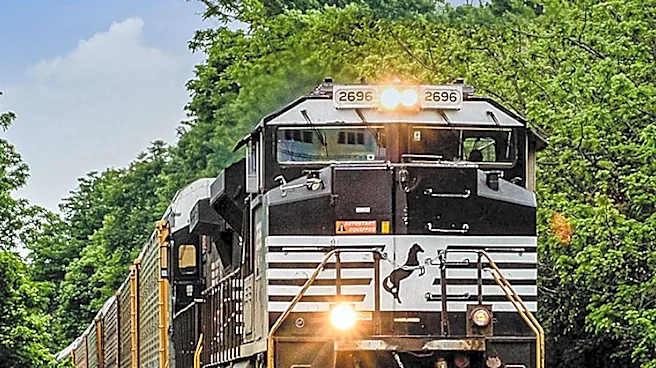
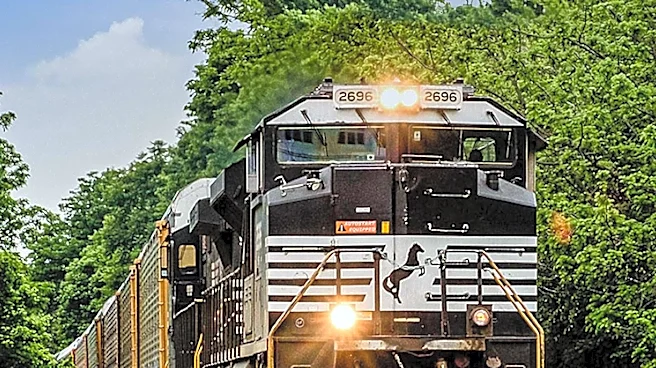
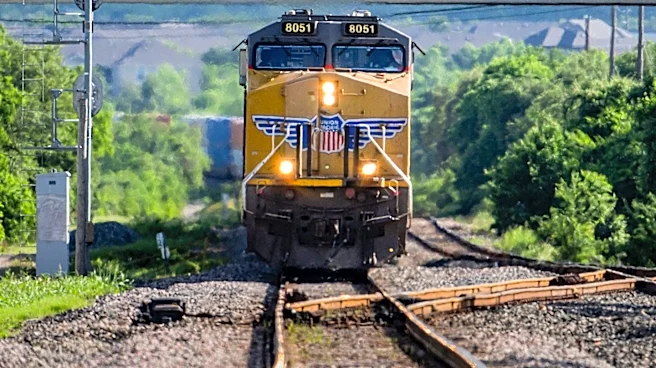
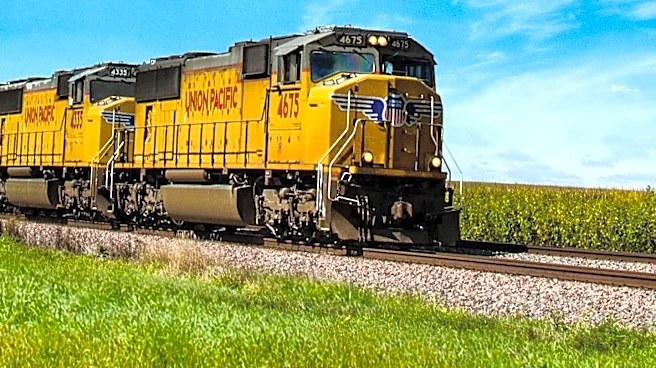
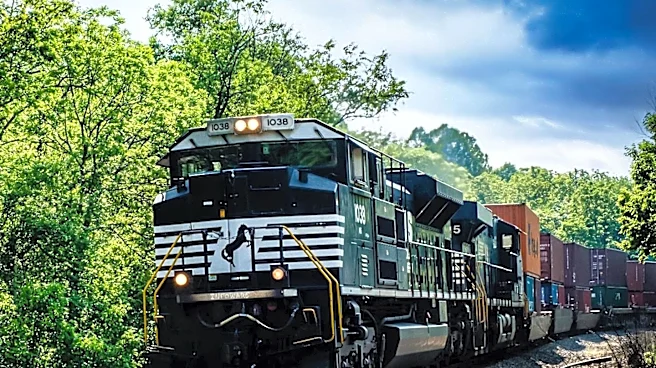
Union Pacific CEO Jim Vena and Norfolk Southern President and CEO Mark George publicly defended their proposed merger in New York on November 19, following the Surface Transportation Board’s (STB) opposition deadline. The executives spoke at RailTrends
2026, emphasizing that the freight rail industry needs to become simpler, more reliable, and easier to use to attract more freight from highways. They presented a vision of a more connected, coast-to-coast network as the solution. Since the merger was announced in July 2025, both companies have engaged with various stakeholders, including customers, short line railroads, ports, labor organizations, employees, and policymakers. These discussions, they claim, have strengthened their merger application, which now includes customer protections described as more extensive than those offered in previous rail mergers. The combined network would span over 50,000 route miles across 43 states, aiming to create approximately 88,000 new single-line lanes and convert 10,000 existing interline movements to single-rail operations. The companies estimate this would save shippers around $3.5 billion annually and shift about 2.1 million truckloads from highways to rail each year. The application is supported by traffic data from all six North American Class I railroads and over 2,000 letters of support.
Why It's Important?
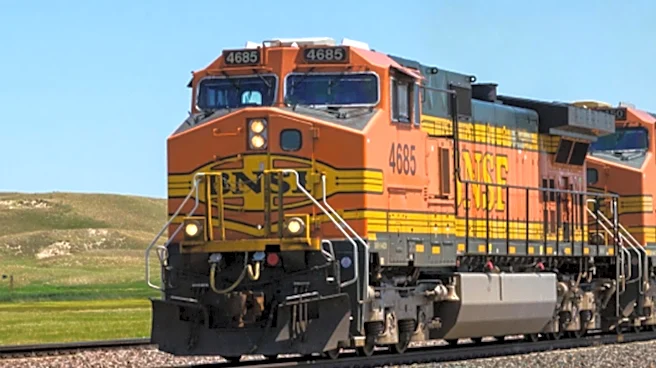
This proposed merger between Union Pacific and Norfolk Southern carries significant implications for the U.S. freight transportation landscape. If approved, it would create a dominant rail entity controlling a vast network, potentially reshaping competition within the industry. The companies argue that the merger would enhance efficiency and reduce costs for shippers by offering more single-line services, thereby making rail a more attractive alternative to trucking. This shift could lead to economic benefits for businesses reliant on freight transport, as well as environmental advantages through reduced carbon emissions from trucks. However, concerns have been raised by competitors like BNSF Railway and organizations such as the Progressive Policy Institute, who argue that the combined entity would control a substantial portion of U. U.S. rail shipments and track mileage, potentially leading to reduced competition and leaving many customer facilities without alternative rail service. The outcome of this merger will influence freight rates, service quality, and the competitive dynamics for various industries across the nation, impacting both large corporations and smaller businesses that depend on efficient logistics.
What's Next?
The Surface Transportation Board (STB) is currently reviewing the revised merger application. Following the November 18 deadline for comments and protests, responses to opposition filings are due by February 16, 2027, with final briefs expected by May 28, 2027. Preliminary comments from the U.S. Department of Justice and the U.S. Department of Transportation are anticipated by December 3. A public hearing is expected to be scheduled before the final briefs are submitted, though a date has not yet been set. The STB's final decision is due within 90 days after the record closes, a date that is also not yet fixed. Union Pacific and Norfolk Southern initially projected completing the transaction in the first half of 2027, later revising this to mid-2027. The STB's decision will be crucial, as it will determine whether the proposed benefits of increased efficiency and cost savings outweigh concerns about market concentration and potential anti-competitive effects. Stakeholders, including other railroads, shippers, labor unions, and policymakers, will closely monitor the STB's proceedings and its eventual ruling, which could significantly alter the competitive structure of the U.S. freight rail industry.
Beyond the Headlines
The proposed merger between Union Pacific and Norfolk Southern extends beyond immediate economic and logistical considerations, touching upon broader themes of market consolidation, regulatory oversight, and the future of U.S. infrastructure. The debate surrounding this merger highlights the tension between fostering efficiency through scale and preserving competition to protect consumer and shipper interests. If approved, it could set a precedent for future consolidations in critical infrastructure sectors, prompting re-evaluation of antitrust regulations and their application to industries deemed essential for national commerce. The commitment to 'jobs-for-life' agreements for union employees, as part of the merger proposal, also introduces a significant labor dimension, potentially influencing future labor negotiations and employment stability within the rail industry. Furthermore, the emphasis on shifting freight from highways to rail aligns with broader environmental goals of reducing carbon emissions, positioning the merger as a potential contributor to sustainability efforts. However, the long-term impact on smaller regional railroads and their ability to compete or integrate with a much larger entity remains a critical, less obvious implication that could reshape local economies and supply chains.