




What's Happening?
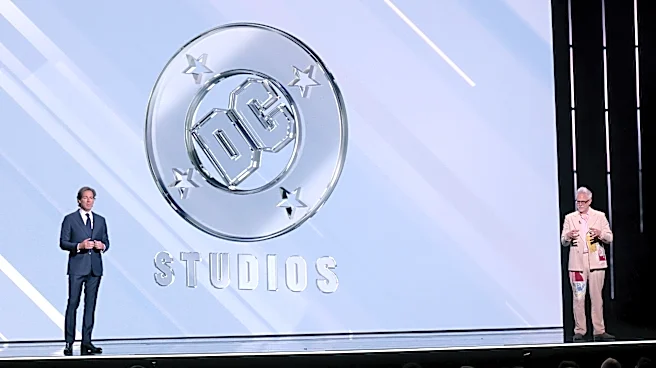
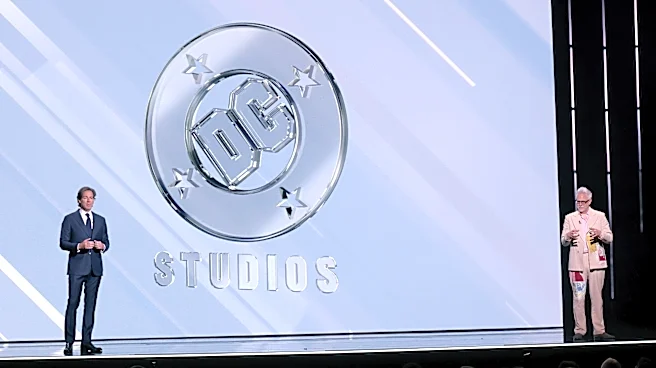
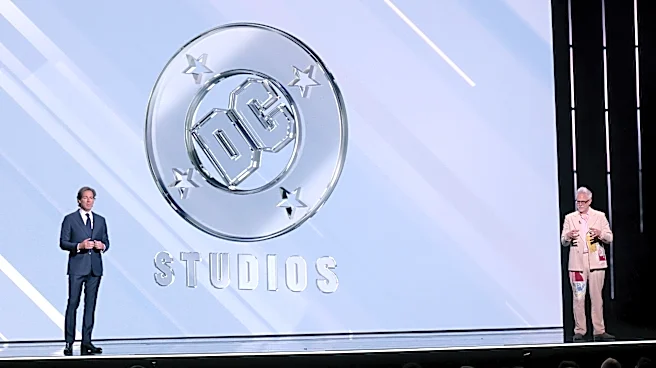
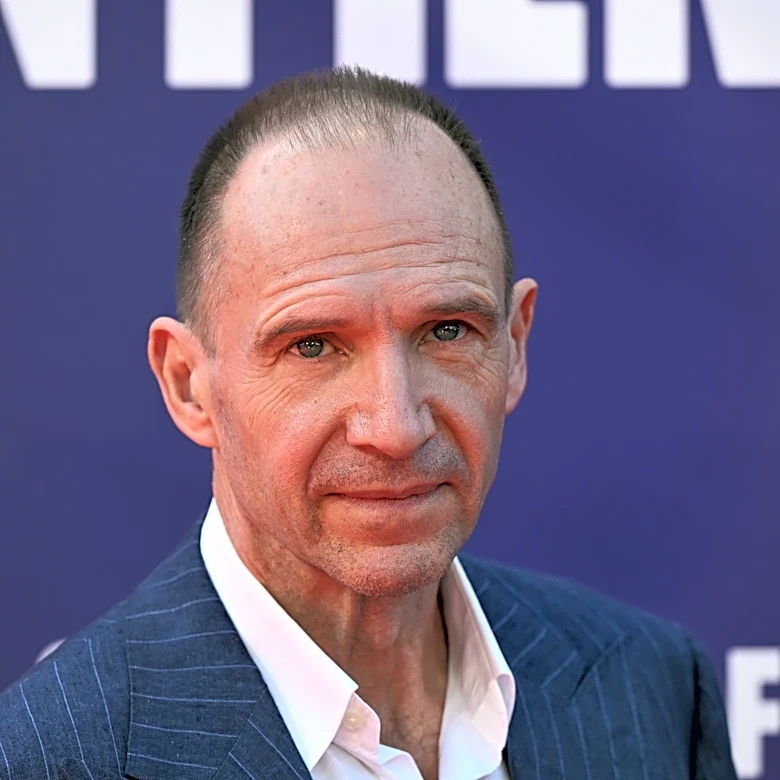
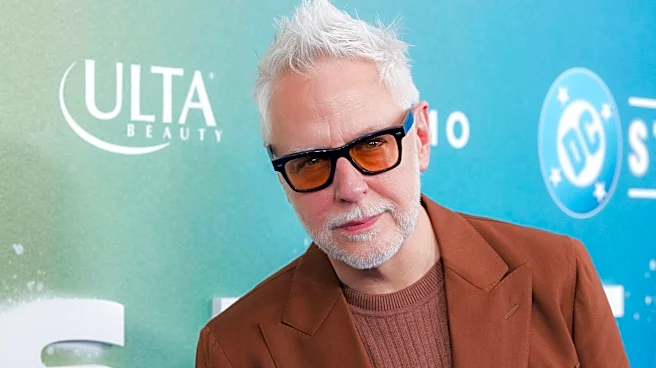
Jeremy Latcham, a veteran from Marvel, has been named the new president and chief creative officer of DC Studios. He is set to officially take over the role on December 1, replacing James Gunn and Peter Safran, who led the comic book film and TV label
for four years. Gunn and Safran are returning to their creative work but will remain involved in DC projects, including the upcoming sequel to 2025's 'Superman,' titled 'Man of Tomorrow.' Latcham's appointment follows a period where DC Studios has seen mixed results at the box office, with some successes like 'Superman' (2025) earning over $618 million worldwide, but also underperformers such as 'Supergirl' and 'Clayface,' both grossing around $126 million globally on varying budgets. Latcham's extensive experience at Marvel, where he worked on films like 'Iron Man' and 'The Avengers,' is seen as a potential asset for DC Studios.
Why It's Important?
This leadership change at DC Studios is significant for the U.S. entertainment industry, particularly in the competitive superhero film market. DC Studios has historically lagged behind Disney's Marvel Studios in terms of consistent box office success and franchise development. The appointment of a Marvel veteran like Latcham signals an intent to replicate Marvel's successful strategies, which include turning lesser-known comic book characters into household names and maintaining stable leadership. According to Isabella Bond, business report editor at movie business site the Numbers, Marvel has had seven characters or franchises make $500 million or more at the box office since 2020, compared to DC Studios' two. Latcham's challenge will be to develop a successful strategy for DC sequels and broaden the appeal of its characters beyond iconic figures like Superman and Batman, both domestically and internationally. The continuity and stability Latcham could bring are crucial, as DC Studios has had four leaders in the last decade, contrasting with Marvel's consistent leadership under Kevin Feige.
What's Next?
Upon officially assuming his role on December 1, Jeremy Latcham will face immediate decisions regarding the multiyear strategy for DC's universe of films and TV shows, which was previously laid out by Gunn and Safran. He will need to determine which elements of the existing plan to retain and which to modify. A key focus will be developing a successful strategy for DC sequels and expanding the franchise's appeal to a wider audience, both within the U.S. and globally. Skydance's statement on Latcham's appointment emphasizes the importance of fan engagement, indicating that his leadership will prioritize delivering content that excites lifelong fans while introducing new generations to DC's stories. Industry observers, such as Alisa Perren, a professor at the University of Texas at Austin, hope that Latcham will apply the 'best creative and business practices' learned from his time at Marvel to DC Studios, potentially leading to a more cohesive and successful cinematic universe.
Beyond the Headlines
The transition of Jeremy Latcham from Marvel to DC Studios highlights a broader trend in the entertainment industry: the continuous search for proven leadership and successful formulas in the highly lucrative, yet volatile, superhero genre. This move could signify a strategic shift for DC, moving towards a more unified and long-term creative vision, similar to the model that has propelled Marvel's success. The ethical implications revolve around the potential for creative homogenization across major comic book adaptations, as studios increasingly seek to replicate successful blueprints. Legally, the focus will be on intellectual property management and how Latcham navigates the vast catalog of DC characters to build new franchises. Culturally, the success or failure of Latcham's tenure will influence how comic book properties are adapted for the screen, potentially shaping audience expectations and the future direction of superhero narratives in popular culture. The long-term shift could see DC Studios finally establishing a consistent brand identity and competitive edge against its rival, impacting the overall landscape of blockbuster cinema.