





What's Happening?
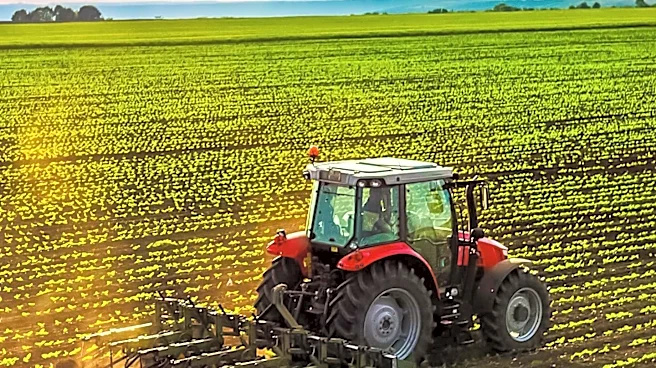
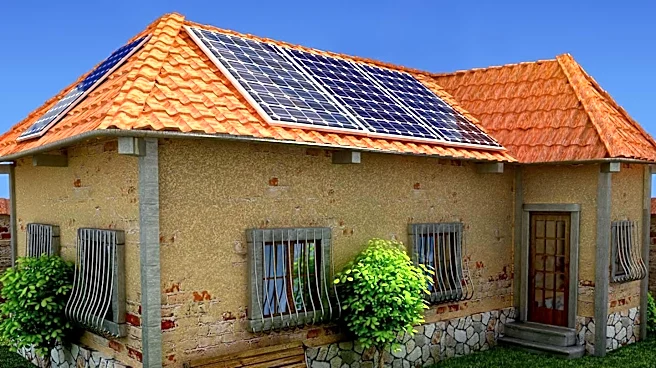
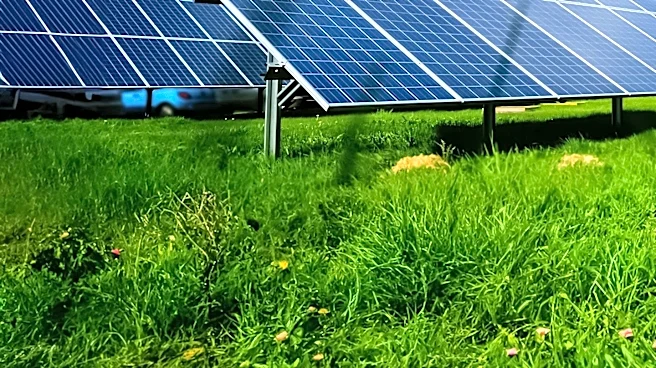
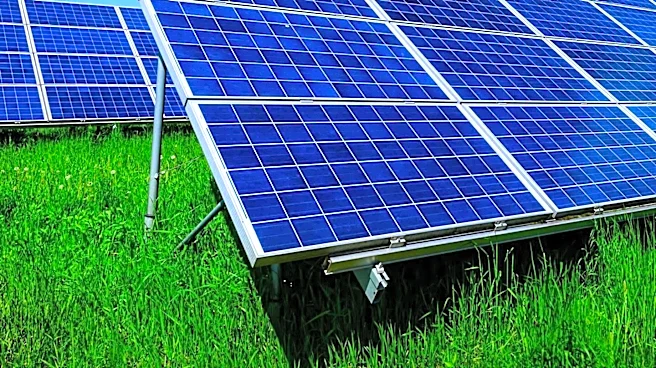
Agri-photovoltaics (agri-PV) is emerging as a dual-use technology that combines crop production with solar energy generation. In the Netherlands, a test field is using solar panels mounted above pear orchards, allowing for simultaneous fruit and electricity
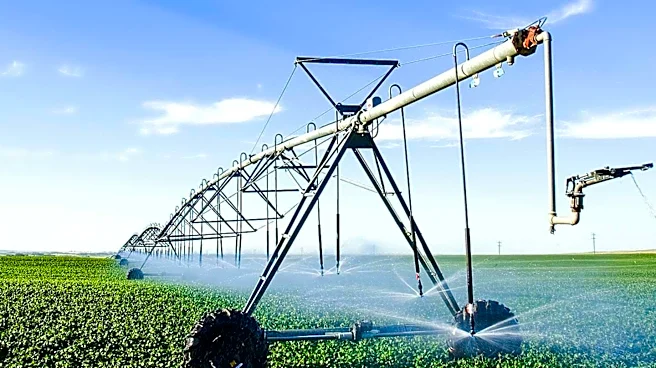
production. Autonomous robots are employed to monitor crops, reducing labor needs. The EU-funded TALOS project is exploring how robots and AI can automate solar installation maintenance. Agri-PV offers optimal land use, shielding crops from extreme weather and reducing evaporation. The technology is gaining traction in the EU, with potential to significantly increase solar capacity.
Why It's Important?
Agri-PV represents a sustainable solution to land use challenges, addressing both food production and renewable energy needs. By optimizing land use, it can enhance agricultural efficiency and resilience to climate change. The integration of robotics reduces labor costs and increases precision in farming operations. This technology aligns with the EU's goals to expand solar capacity and modernize agriculture. However, regulatory and financial challenges remain, as clear policies and investment support are needed to facilitate widespread adoption.
What's Next?
The success of agri-PV depends on overcoming regulatory and financial barriers. Clear definitions and policies are needed to support its implementation across EU member states. Investment in infrastructure and technology will be crucial, as will farmer education and support. The TALOS project aims to develop robotic solutions that can be integrated into farming practices, potentially transforming traditional agriculture. As the technology matures, it could play a key role in achieving sustainable agricultural and energy goals.