

What's Happening?
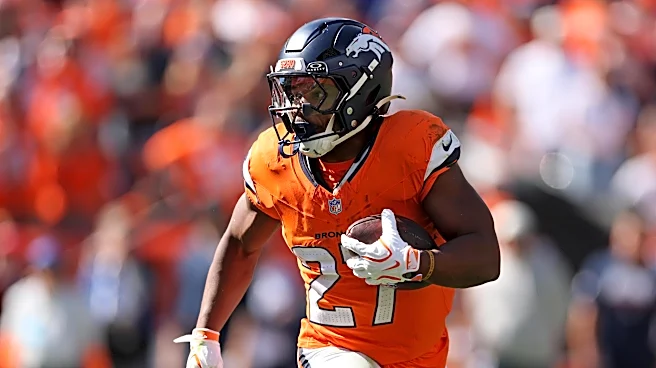
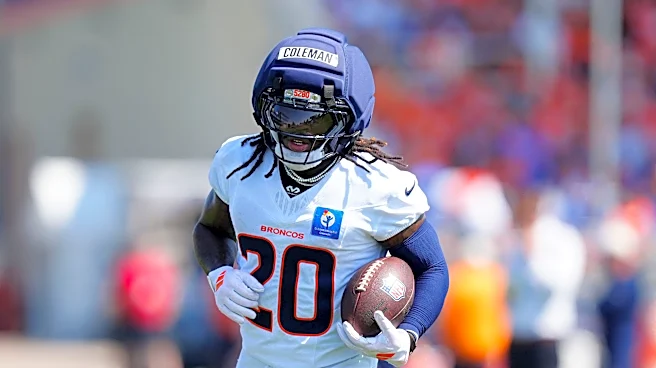
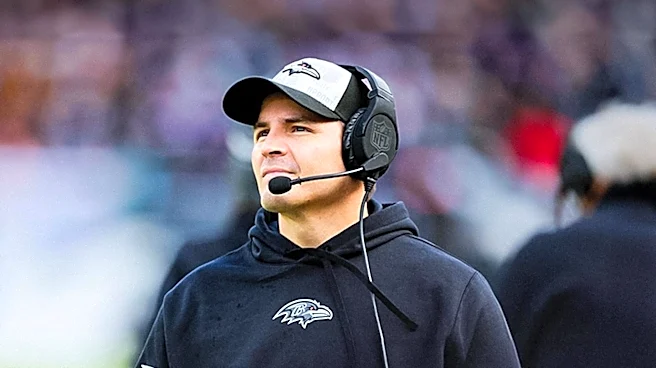
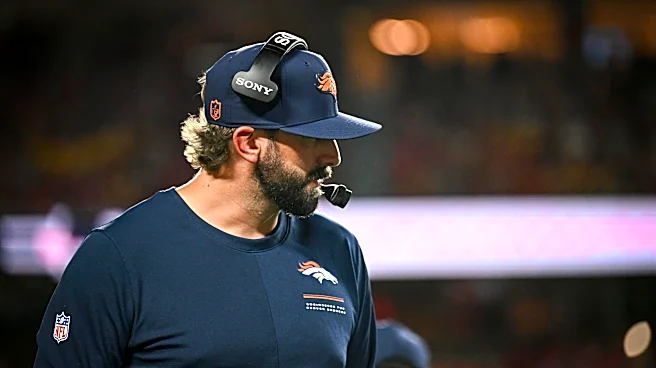
Seattle Seahawks head coach Mike Macdonald recently disclosed that Denver Broncos coach Sean Payton accused his team of cheating in 2024. The accusation stemmed from the Seahawks' use of publicly available fan-posted videos from the Broncos' training
camp to scout their plays. Macdonald stated that his team compiled approximately 100 plays from these social media clips, which they considered public knowledge and used for preparation ahead of their season-opening game against the Broncos. Following the Seahawks' 26-20 victory, Payton reportedly became furious upon learning of this scouting method. He contacted Seahawks General Manager John Schneider, threatening to publicly accuse the Seahawks of cheating, drawing parallels to the 'Spygate' controversy. Macdonald asserted that the Seahawks did not cheat and countered Payton's threat by stating they would pursue legal action if false allegations were made public. Ultimately, Payton backed down from his threats, and Macdonald noted a cordial encounter with Payton at the NFL Scouting Combine in early 2025, where the issue was not raised. This incident highlights the evolving landscape of competitive intelligence in professional sports, particularly with the widespread use of social media by fans.
Why It's Important?
This incident underscores a significant and emerging challenge in professional sports: the ethical and practical boundaries of scouting in the age of social media. The use of publicly available fan-generated content for competitive advantage blurs traditional lines of what constitutes fair play versus illicit information gathering. For the NFL, it raises questions about regulating information accessibility and the implications for team security during training camps. Teams like the Broncos have already begun tightening security around fan video recording, indicating a league-wide concern. This situation could lead to new policies regarding fan access and social media use at team events, potentially impacting fan engagement and transparency. The 'Cold War' analogy used by Macdonald illustrates the high stakes and intense competitive environment within the NFL, where any perceived edge can lead to heated disputes. It also highlights the pressure on coaches to leverage all available resources, even unconventional ones, to gain an advantage, potentially leading to more such confrontations in the future.
What's Next?
The revelation of this past dispute could add an extra layer of intensity to future matchups between the Seahawks and the Broncos, particularly their upcoming Week 6 game. Sean Payton is expected to address reporters, potentially offering his perspective on the 2024 incident, which could further fuel the narrative. The NFL might also consider reviewing its guidelines regarding the use of publicly available fan-generated content for scouting purposes. This could lead to clearer rules or recommendations for teams on how to manage information shared by fans during training camps. Teams may also increase their efforts to educate fans about the implications of posting practice footage online, or implement stricter policies on recording devices during open practices. The ongoing discussion could influence how teams approach transparency during training camps, balancing fan engagement with competitive secrecy. This event serves as a precedent for how teams might react to similar situations in the future, potentially leading to more formal complaints or even legal challenges if not addressed by league policy.
Beyond the Headlines
The 'cheating' accusation, despite being resolved, reveals a deeper tension within professional sports regarding information control and competitive ethics in the digital age. The accessibility of fan-recorded content on social media platforms creates a new frontier for scouting that was not envisioned in traditional rulebooks. This incident forces a re-evaluation of what constitutes 'public knowledge' and how teams can ethically leverage such information without crossing into unfair practices. It also highlights the psychological warfare that can occur between coaching staffs, where perceived slights or advantages can escalate into significant disputes. The comparison to 'Spygate' by Payton, even if unfounded, indicates the sensitivity around competitive integrity. This situation could prompt a broader discussion across professional sports leagues about the role of social media in competitive intelligence and the need for updated regulations to address these modern challenges, ensuring a level playing field while adapting to technological advancements.