


What's Happening?
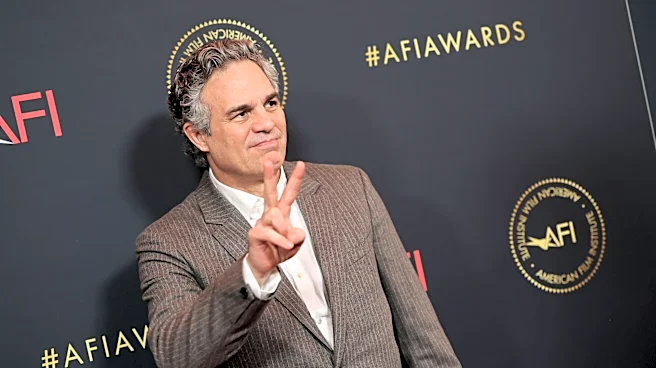
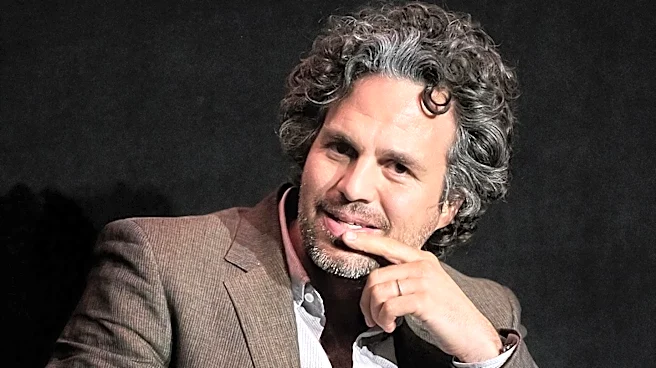
Actor Mark Ruffalo has strongly refuted Paramount's accusation that his criticism of their proposed $111 billion Warner Bros. buyout stems from 'antisemitic tropes.' Ruffalo's initial comments, made in an Instagram story, highlighted a video of Oracle
executive vice chair Safra Catz discussing Oracle's provision of 'profoundly scary technology' to the Israeli military following the October 7 attacks. Ruffalo connected this to the Warner Bros. merger, arguing that Oracle founder Larry Ellison, whose son David Ellison is leading the Paramount acquisition, is financially backing the deal. He expressed concern that Oracle's technology could be integrated into a major media conglomerate and described the situation in Gaza as 'genocide' built on an 'apartheid system of oppression powered by Oracle.' Paramount responded by stating they are 'troubled when antisemitic tropes are invoked in purported service of a business dispute,' calling words like 'genocide' and 'apartheid' a 'bridge too far.' Ruffalo, in turn, labeled Paramount's accusation as 'appalling and fundamentally dishonest,' clarifying that his criticism targets the actions of the Israeli prime minister, military technology contracts, and the executives involved, not Jewish people.
Why It's Important?
This dispute highlights significant tensions within the entertainment industry regarding corporate mergers, geopolitical issues, and accusations of antisemitism. The proposed Paramount-Warner Bros. merger, already facing scrutiny over potential consolidation, job losses, and concerns about CNN's editorial independence, is now entangled in a highly sensitive debate. Ruffalo's stance, supported by other figures like Hannah Einbinder, underscores a growing movement among some artists to link corporate actions with broader ethical and political considerations, particularly concerning the Israeli-Palestinian conflict. Paramount's strong reaction reflects the industry's sensitivity to accusations of antisemitism, while Ruffalo's rebuttal emphasizes the distinction between criticizing government or corporate policies and targeting an ethnic group. This situation could influence public perception of the merger, potentially intensifying calls for regulatory oversight and a more thorough examination of the deal's implications beyond financial terms, including its ethical and social dimensions.
What's Next?
The proposed Paramount-Warner Bros. merger has already been postponed until at least June 2027, pending the conclusion of an antitrust trial. This ongoing public dispute, fueled by Ruffalo's continued criticism and Paramount's counter-accusations, is likely to add another layer of complexity to the merger's approval process. Lawmakers and regulators, who have already called for a national security review of the deal, may face increased pressure to address the ethical and political concerns raised by Ruffalo and his supporters. The debate could also prompt further public statements from other Hollywood figures, potentially polarizing opinions within the entertainment industry. Paramount may need to address these public relations challenges more directly, while Ruffalo and his allies are expected to continue advocating against the merger, emphasizing its potential impact on workers, consumers, and media independence, as well as the ethical implications of the involved technologies.
Beyond the Headlines
This controversy delves into the complex interplay between corporate power, media consolidation, and geopolitical conflicts, particularly the Israeli-Palestinian issue. Ruffalo's criticism of Oracle's technology being used by the Israeli military, and his subsequent linking of this to the Paramount-Warner Bros. merger, raises fundamental questions about the ethical responsibilities of technology companies and media conglomerates. It highlights the increasing expectation for corporations to be transparent about their global operations and their potential impact on human rights. The accusation of 'antisemitic tropes' against Ruffalo, and his firm denial, also underscores the challenges of navigating discussions around the Israeli-Palestinian conflict without being misconstrued or weaponizing such accusations. This incident could set a precedent for how public figures engage with corporate actions tied to international conflicts and how corporations respond to such criticisms, potentially influencing future debates on corporate ethics, media ownership, and freedom of speech within the entertainment industry.