






What's Happening?
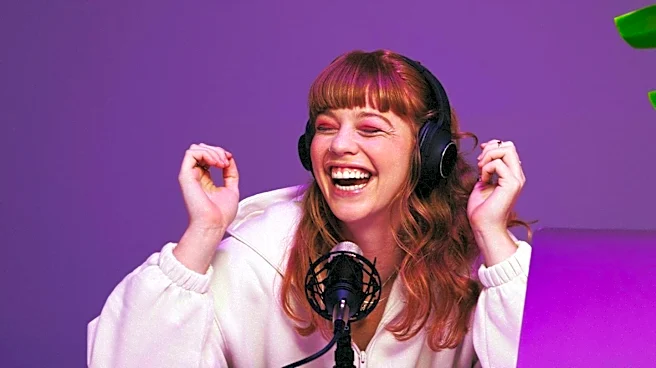
The 'Friendship Skills for Neurodivergent Adults' episode from the All Aboard ADHD podcast features Kate Moryoussef, host of the ADHD Women’s Wellbeing Podcast and author of 'The ADHD Women’s Wellbeing Toolkit.' The discussion centers on the unique challenges
faced by neurodivergent women, particularly those with ADHD, in navigating societal expectations and forming friendships. Moryoussef shares her personal experience of a late ADHD diagnosis at age 40, alongside her daughter, and how it illuminated a lifetime of people-pleasing tendencies. The episode delves into the emotional cost for women with ADHD, including rejection sensitive dysphoria (RSD), anxiety, and the impact of hormonal fluctuations like perimenopause on ADHD symptoms. It also explores the difference between masking and adapting, the importance of self-compassion, and the role of physical activity in managing ADHD.
Why It's Important?
This discussion is important as it sheds light on the often-overlooked experiences of neurodivergent women, particularly the societal pressures that lead to masking and people-pleasing behaviors. Understanding these dynamics can help improve diagnostic processes for girls and women, who are frequently misdiagnosed or undiagnosed due to their ability to mask symptoms. The conversation highlights the need for greater awareness of how ADHD manifests differently in women, often intertwined with hormonal changes, and the long-term impact on mental health, including anxiety and depression. By addressing these issues, the podcast contributes to a more nuanced understanding of neurodiversity, fostering self-compassion and providing practical strategies for building healthier relationships and coping mechanisms for neurodivergent adults.
What's Next?
The insights from this podcast episode could encourage more women to seek diagnosis and support for ADHD, potentially leading to earlier interventions and improved quality of life. The emphasis on self-compassion and understanding the unique challenges faced by neurodivergent women may also influence therapeutic approaches and support group initiatives. Furthermore, the discussion about the overlap between ADHD symptoms and perimenopause could prompt healthcare providers to consider ADHD in their differential diagnoses for women experiencing midlife changes. Continued conversations and resources like these are likely to foster a more inclusive and understanding environment for neurodivergent individuals, promoting better mental health outcomes and stronger social connections.
Beyond the Headlines
Beyond the immediate discussion of friendship skills, this episode touches upon deeper societal and cultural implications. The concept of 'masking' in neurodivergent women reveals the pressure to conform to neurotypical standards, often at a significant personal cost to mental and emotional well-being. This highlights a broader issue of how society often fails to recognize and accommodate neurodiversity, particularly in women, leading to internalized shame and a constant struggle for acceptance. The conversation also implicitly challenges traditional notions of female roles and expectations, where women are often conditioned to prioritize others' needs, exacerbating people-pleasing tendencies in those with ADHD. Addressing these underlying societal biases is crucial for creating truly inclusive environments where neurodivergent individuals can thrive authentically.