





What's Happening?
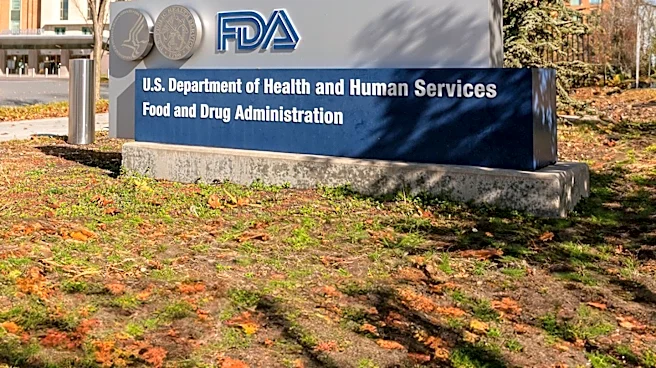
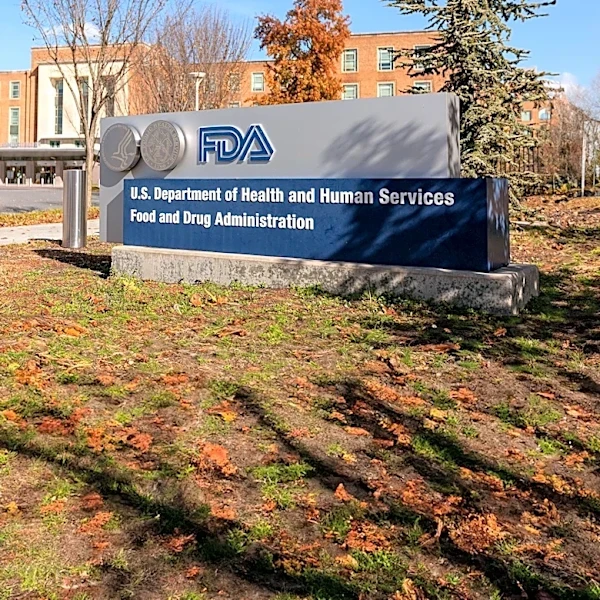
Formo, a company specializing in precision fermentation, has achieved a significant regulatory milestone in the United States. Its enhanced casein, a recombinant β-lactoglobulin, has received a 'no questions' letter from the U.S. Food and Drug Administration
(FDA). This letter indicates that the FDA has no safety concerns regarding the use of Formo's casein in cheese analogues, specifically at concentrations up to 25 grams per 100 grams. The submission for this review, GRN 1312, was filed in December 2025. This development follows a collaboration with Those Vegan Cowboys, which concluded in 2025, with both entities now operating independently. It is important to note that a 'no questions' letter from the FDA is not an official product approval but rather an affirmation of the company's safety assessment. This regulatory step is commercially significant, especially given the recent surge in whey protein isolate prices, which have exceeded $13 per pound, more than triple the early-2023 levels, according to USDA market data.
Why It's Important?
This FDA 'no questions' letter for Formo's precision fermentation-derived casein marks a crucial step for the alternative protein industry in the U.S. It provides regulatory clarity and a pathway for the commercialization of animal-free dairy proteins, potentially disrupting the traditional dairy market. The ability to produce casein without animal involvement offers a sustainable and ethical alternative for consumers and food manufacturers. This development could lead to a new generation of dairy-free cheese products that more closely mimic the taste and texture of conventional cheese, expanding consumer choices and catering to dietary preferences such as veganism and lactose intolerance. Furthermore, the timing is particularly relevant due to the volatility and rising costs in the traditional dairy ingredient market, as evidenced by the significant increase in whey protein isolate prices. This regulatory approval could incentivize further investment and innovation in precision fermentation technologies, positioning the U.S. as a leader in this emerging food sector and potentially creating new economic opportunities.
What's Next?
Following the FDA's 'no questions' letter, Formo is now positioned to advance the commercialization of its precision fermentation-derived casein in the U.S. market. This regulatory clarity is expected to facilitate partnerships with food manufacturers interested in developing and launching cheese analogue products using this ingredient. The next steps will likely involve scaling up production to meet potential demand and integrating the casein into various food applications. While the 'no questions' letter is a positive indicator, ongoing monitoring and adherence to food safety standards will be crucial. The success of Formo's casein in the market could also pave the way for other precision fermentation companies seeking to introduce novel food ingredients, potentially streamlining future regulatory processes. The industry will be watching closely to see how quickly Formo's casein-based products reach consumers and how they are received, which could influence the broader adoption of animal-free dairy alternatives.
Beyond the Headlines
The FDA's 'no questions' letter for Formo's casein extends beyond a simple regulatory approval; it signifies a broader shift in how food is produced and consumed in the U.S. This development highlights the increasing acceptance and integration of biotechnology into the food supply chain, raising ethical and cultural questions about the definition of 'food' and 'natural' ingredients. The ability to produce complex proteins like casein through fermentation challenges traditional agricultural practices and could lead to a more resilient and sustainable food system, less reliant on animal agriculture. However, it also brings forth discussions around consumer perception, labeling, and the potential impact on conventional dairy farmers. The long-term implications include a potential redefinition of dietary norms, a reduction in the environmental footprint of food production, and the emergence of new economic models within the food industry. This regulatory step is a testament to the scientific advancements in precision fermentation and its potential to address global food security and sustainability challenges.