




What's Happening?
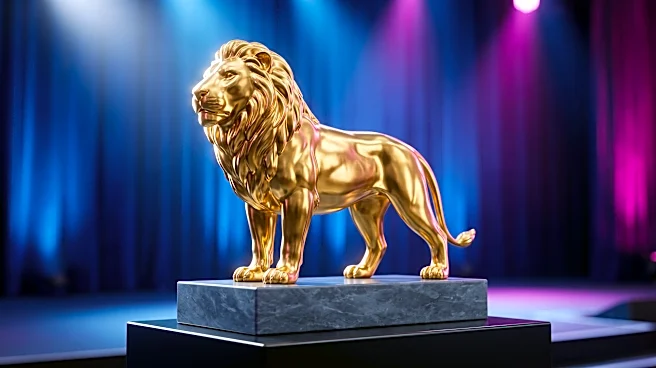
Danish-Egyptian director May el-Toukhy, whose film 'Woman Unknown' is competing for the Golden Lion at the Venice Film Festival, has spoken out against the pervasive 'cult of male genius' in the film industry. She asserts that this phenomenon creates
a structural problem that disproportionately affects female filmmakers. El-Toukhy noted that she has never encountered an article promoting a female director as a 'genius,' highlighting a systemic bias. Her film was initially the sole entry by a woman in the main competition, with only one other co-directed film added later. She observed a regression in gender balance within the industry, despite increased awareness following the MeToo movement. El-Toukhy shared her personal experience of taking six to seven years to complete her first film after graduating, a significantly longer period than her male peers. She emphasized that everyone shares responsibility in changing this discourse.
Why It's Important?
This issue is important as it highlights a persistent gender disparity within the global film industry, which has significant implications for the diversity of storytelling and representation on screen. The 'cult of male genius' can limit opportunities for female directors, impacting their ability to secure funding, distribution deals, and critical recognition. This systemic bias can lead to a narrower range of perspectives and narratives being presented to audiences, potentially reinforcing existing societal biases. For the U.S. film industry, which often looks to international festivals like Venice for emerging talent and trends, these observations underscore the need for continued efforts to promote inclusivity and equitable opportunities for female filmmakers. A lack of diverse voices behind the camera can also affect the types of roles available for female actors and the overall portrayal of women in cinema, influencing cultural perceptions and societal norms.
What's Next?
The comments from May el-Toukhy are likely to reignite discussions within the film industry regarding gender equality and the need for structural changes. Major film festivals, production companies, and industry bodies may face renewed pressure to review their selection processes and funding criteria to ensure more equitable representation. There could be increased advocacy for initiatives aimed at supporting and promoting female directors, similar to those seen after the initial impact of the MeToo movement. Filmmakers, critics, and audiences may become more attuned to the gender balance in film festival lineups and industry awards. The ongoing conversation could also encourage more female filmmakers to share their experiences, further illuminating the challenges they face and fostering a collective push for change. The success or recognition of films by female directors at festivals like Venice could serve as a powerful counter-narrative to the 'cult of male genius.'
Beyond the Headlines
Beyond the immediate concerns of film festival representation, el-Toukhy's remarks touch upon deeper cultural and societal issues related to how 'genius' is defined and attributed, particularly along gender lines. The concept of a 'male genius' often carries historical weight, rooted in patriarchal structures that have historically privileged male contributions in arts and sciences. This can lead to an unconscious bias where male achievements are more readily celebrated and amplified, while female accomplishments may be overlooked or downplayed. The film industry, as a powerful cultural shaper, plays a crucial role in either perpetuating or challenging these biases. Addressing this 'structural problem' requires not only changes in industry practices but also a broader re-evaluation of how talent and creativity are recognized and valued in society, moving towards a more inclusive and equitable understanding of artistic excellence.