




What's Happening?
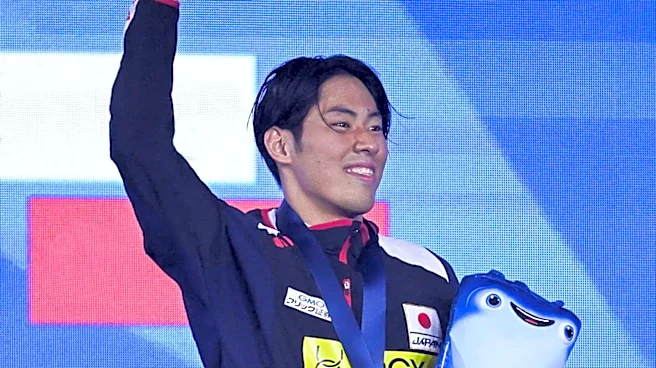
Japanese Olympic silver medalist Tomoru Honda, a 200m butterfly specialist, appeared in Tokyo District Court on August 25th, admitting to charges in a driving-violation criminal case. The prosecution is seeking a one-year prison sentence, citing his actions
as 'dangerous and reckless, and malicious.' Honda reportedly accelerated his car to keep pace with a sports car in front of him while commuting, leading to a collision after failing to negotiate a curve. He was removed from the Japanese rosters for both the Pan Pacific Championships and the Asian Games following the incident, which violated the Act on Punishment of Offenses Relating to Driving. Honda has expressed remorse, stating he will 'never drive again' and wishes to 'atone for my crime and change my behavior.' He has also apologized to the victim multiple times by phone and paid 1.5 million yen (approximately $9,420 USD) in addition to insurance compensation.
Why It's Important?
This case highlights the significant legal and reputational consequences that athletes, even those with high public profiles, can face for actions outside of their sport. For Olympic athletes, such incidents can lead to immediate removal from national teams, impacting their careers and future participation in major international competitions. The Japanese Swimming Federation's decision to remove Honda from national rosters underscores the strict conduct standards expected of athletes representing their country. The legal proceedings and potential jail time could serve as a deterrent for other public figures, emphasizing accountability for dangerous behavior. Furthermore, the incident could influence public perception of athletes, shifting focus from their sporting achievements to their personal conduct and adherence to societal laws.
What's Next?
The verdict in Tomoru Honda's driving-violation criminal case is scheduled to be delivered on September 9th. The court will decide whether to impose the prosecution's requested one-year prison sentence or a suspended sentence, as requested by the defense. Regardless of the legal outcome, Honda's future in competitive swimming, particularly at the international level, remains uncertain. His removal from national team rosters suggests a potential long-term impact on his career. The Japanese Swimming Federation will likely monitor the court's decision and may issue further statements or disciplinary actions based on the verdict. The incident could also prompt discussions within sports organizations regarding athlete conduct policies and support systems for athletes facing legal challenges.
Beyond the Headlines
This incident touches upon the broader societal expectation for public figures, including athletes, to uphold certain standards of conduct. The swift and severe response from the Japanese Swimming Federation reflects a cultural emphasis on social order and responsibility. Beyond the immediate legal and athletic repercussions, the case could spark conversations about the pressures faced by athletes, the role of public image in sports, and the balance between personal freedom and professional accountability. It also raises questions about how sports organizations support athletes through personal crises and legal issues, and whether current frameworks adequately address such situations. The public's reaction to Honda's admission and apology will also be a key factor in his long-term public rehabilitation, regardless of the court's decision.