






What's Happening?
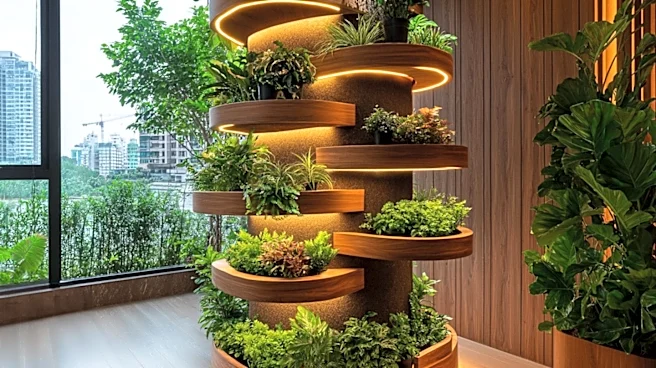
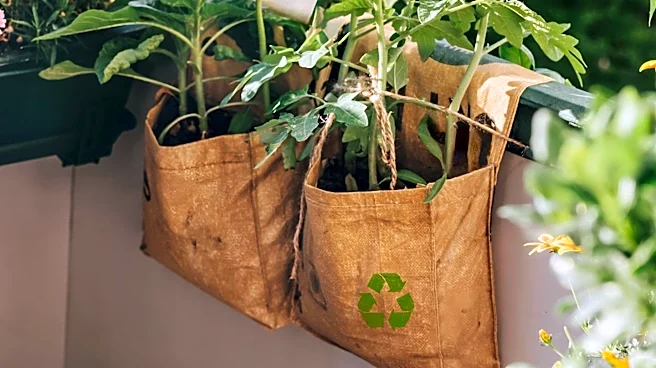
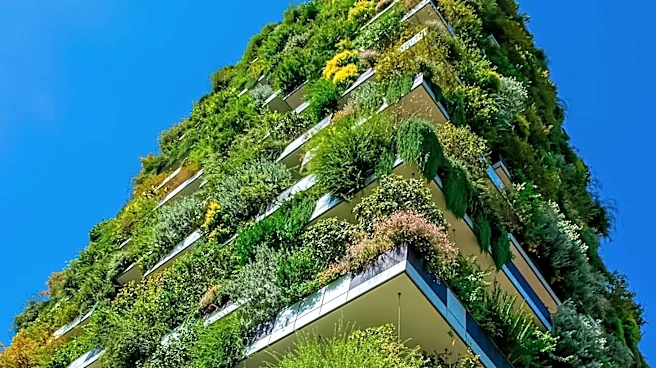
Vertical gardens are emerging as an effective solution for individuals with limited outdoor space, such as small balconies, to cultivate plants. These systems utilize vertical areas, freeing up valuable floor space and transforming otherwise uninspired
areas into vibrant, green environments. Beyond aesthetics, vertical gardens contribute to improved air quality, creating a healthier living space. They also provide convenient access to fresh herbs, vegetables, and flowers. The practice of vertical gardening can reduce stress and enhance overall well-being. Systems made from recycled plastic or untreated cedar are suitable for growing climbing plants like peas, cucumbers, and pole beans, directing their growth upwards rather than allowing them to spread horizontally. This method maximizes plant yield in confined spaces.
Why It's Important?
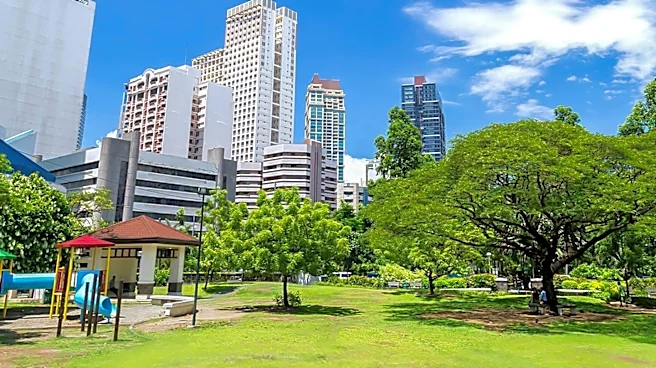
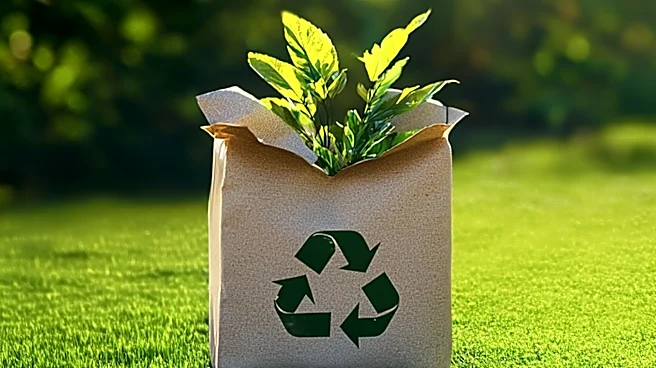
The increasing urbanization and prevalence of smaller living spaces in the U.S. make vertical gardening an important trend for promoting green living and sustainable practices. For urban residents, this method offers a practical way to engage in gardening, which has been linked to mental health benefits and access to fresh produce. The ability to grow food in compact areas can contribute to local food security and reduce reliance on commercial supply chains. Furthermore, the air-filtering capabilities of vertical gardens can improve indoor and outdoor air quality in densely populated areas, addressing environmental concerns. The use of recycled materials in some vertical gardening systems also aligns with broader sustainability goals, encouraging eco-friendly consumption and waste reduction.
What's Next?
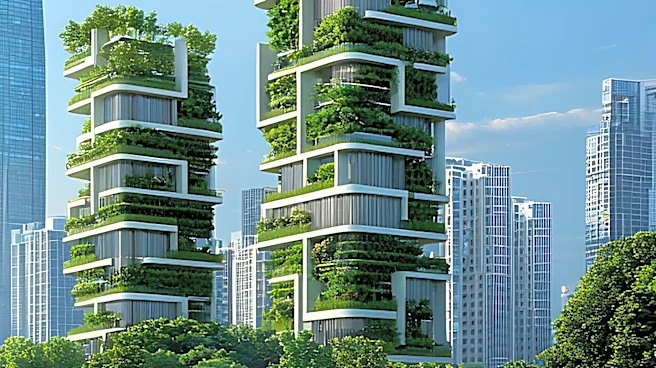
As awareness of the benefits of vertical gardening grows, it is anticipated that more innovative and accessible vertical garden systems will enter the market. This could include modular designs, automated watering systems, and integrated lighting solutions to further simplify the process for urban gardeners. Educational initiatives and community programs promoting vertical gardening might also expand, offering workshops and resources to help individuals start their own vertical gardens. The trend could also influence urban planning and architectural design, with more buildings incorporating vertical green spaces as a standard feature. This could lead to a more widespread adoption of green infrastructure in cities, enhancing urban biodiversity and environmental resilience.
Beyond the Headlines
Beyond the immediate benefits, the rise of vertical gardening signifies a broader cultural shift towards reconnecting with nature in increasingly urbanized environments. It challenges traditional notions of gardening requiring expansive land and promotes a more integrated approach to living with plants. This movement could foster a greater appreciation for ecological principles and sustainable living among city dwellers. Ethically, it encourages responsible consumption and the reduction of carbon footprints by enabling individuals to grow their own food. The visual transformation of urban landscapes through vertical gardens can also have a profound psychological impact, creating more aesthetically pleasing and calming environments that contribute to overall public well-being and community pride.