






What's Happening?
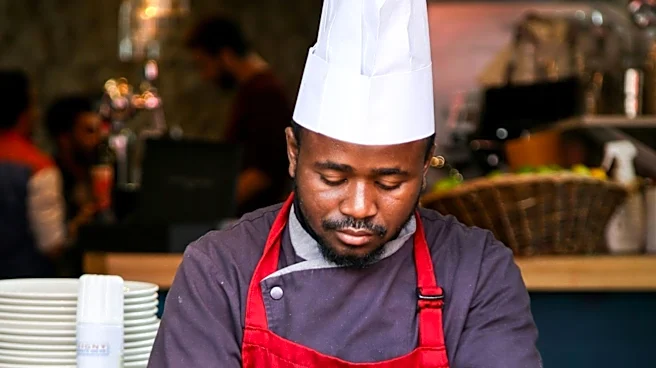
Several Black chefs and entrepreneurs are redefining culinary experiences across the United States, focusing on community, cultural authenticity, and unique dining formats. Erica Dias, founder of Erica's Table of 20, has been hosting intimate dinner series
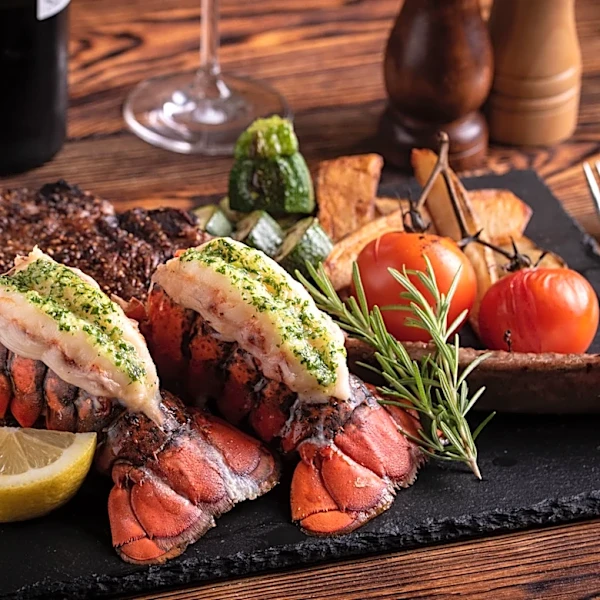
nationwide for over a decade, creating a safe space for guests to connect. Chef Tayo Ola's Ebi-Ayo Supper Club, hosted in New York City, Los Angeles, and Washington, D.C., blends Nigerian and Italian culinary philosophies through five family-style courses, emphasizing family and joy. In Sacramento, Chef Eríc Martínez launched the Crispín Supper Series in 2023, offering an exclusive 8-course seasonal menu that honors his Black and Mexican roots while minimizing food waste. Additionally, Chef Dennis Sydnor, Jr. and Chef Derris "Chef D" Mosley are preparing to launch their "Two Places, One Table" dinner series in Sacramento by the end of 2026, which will explore the African diaspora through storytelling and food. These initiatives highlight a growing trend in food tourism, with researchers noting that 75% of tourists now qualify as culinary travelers, and Black travelers specifically seek experiences built around cultural authenticity and meaningful connection.
Why It's Important?
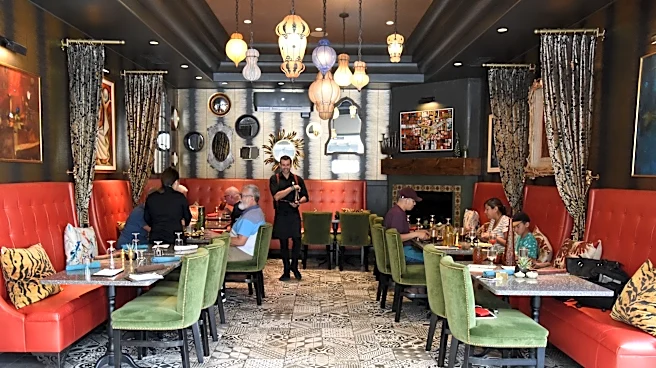
These culinary initiatives are important because they address a significant shift in the U.S. tourism and dining landscape, particularly among Black travelers who are actively seeking authentic and culturally rich experiences. By creating spaces that celebrate diverse culinary traditions—from Nigerian-Italian fusions to menus inspired by Mexican Indigenous villages—these chefs are not only offering unique gastronomic adventures but also fostering community and cultural understanding. The emphasis on intimate settings, storytelling, and sustainable practices, as seen in Chef Martínez's efforts to minimize food waste, reflects a broader consumer demand for conscious and meaningful consumption. This trend also supports local economies and provides platforms for Black culinary talent, contributing to a more inclusive and diverse food industry. The success of these supper clubs and dinner series indicates a strong market for personalized, culturally immersive dining that goes beyond traditional restaurant models, influencing how future culinary tourism and hospitality services may evolve in the U.S.
What's Next?
The expansion and continued success of these unique culinary experiences are anticipated, with Chef Dennis Sydnor, Jr. and Chef Derris "Chef D" Mosley's "Two Places, One Table" dinner series launching in Sacramento by the end of 2026. This new series will further explore the African diaspora through food and storytelling, adding to the diverse offerings available. The growing demand for authentic and culturally immersive food tourism suggests that more chefs and entrepreneurs may adopt similar models, focusing on intimate, curated dining events. These initiatives could inspire further collaborations between chefs from different cultural backgrounds, leading to innovative culinary fusions. Additionally, the emphasis on sustainability and minimizing food waste, as demonstrated by Chef Martínez, is likely to become a more prominent feature in future dining experiences, influencing industry standards and consumer expectations. The continued growth of these supper clubs and dinner series will likely solidify their role as significant contributors to the U.S. culinary scene, attracting a broader audience seeking unique and meaningful gastronomic journeys.
Beyond the Headlines
Beyond the immediate culinary offerings, these dinner experiences carry deeper implications for cultural preservation, identity, and social connection within the U.S. The intentional blending of diverse culinary traditions, such as Nigerian and Italian cuisines by Chef Tayo Ola, serves as a powerful form of cultural dialogue and exchange, challenging conventional notions of cuisine and fostering a greater appreciation for global flavors. The creation of 'safe spaces' and 'home away from home' environments, as described by Erica Dias, addresses a fundamental human need for belonging and community, particularly relevant in an increasingly digital and sometimes isolating society. Furthermore, the homage paid to immigrant heritage, as seen in Chef Martínez's Crispín Supper Series, highlights the profound influence of diverse backgrounds on American culinary identity. These initiatives are not just about food; they are about storytelling, heritage, and building bridges between communities, contributing to a richer, more nuanced understanding of American culture through the lens of its diverse culinary traditions. They also underscore the ethical dimension of food, linking it to sustainability and social responsibility.