






What's Happening?
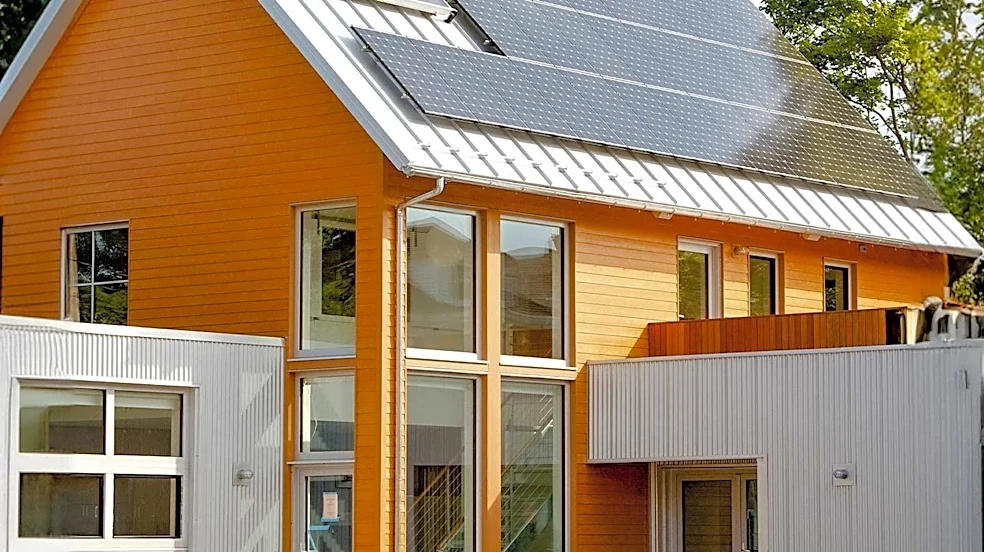
The building industry is increasingly integrating sustainable materials into construction and outdoor living products, balancing environmental considerations with performance and durability. Companies like Malarkey Roofing Products are utilizing upcycled
and recycled materials, such as rubber from discarded tires and recycled plastics, to create roofing shingles. This approach aims to reduce waste while ensuring long-term performance. Similarly, ACRE by Modern Mill manufactures building boards from upcycled rice hulls, an agricultural byproduct, using zero-waste manufacturing processes and closed-loop water systems. Fiberon, a composite decking manufacturer, incorporates recycled wood and plastic into its products, with an in-house recycling facility processing millions of pounds of plastic annually and closed-loop water systems saving billions of gallons of water. These innovations demonstrate a shift towards more eco-friendly material choices across various building applications, from roofing and siding to decking.
Why It's Important?
The adoption of sustainable materials in the building industry is crucial for reducing environmental impact and promoting a circular economy. By diverting waste materials like tires, plastics, and agricultural byproducts from landfills, these companies contribute significantly to waste reduction efforts. The use of recycled content also lessens the demand for virgin resources, such as newly harvested timber, thereby conserving natural ecosystems. Furthermore, the focus on long-term performance and minimal maintenance for products like composite decking translates to reduced consumption and replacement needs over time, offering both environmental and economic benefits. This trend encourages other manufacturers to innovate and develop similar sustainable solutions, fostering a broader industry-wide shift towards more responsible production and consumption practices. For consumers, these options provide opportunities to make environmentally conscious choices without compromising on product quality or longevity.
What's Next?
The continued development and integration of sustainable materials are expected to expand across the building industry. Manufacturers will likely invest further in research and development to discover new waste streams that can be upcycled or recycled into high-performance building products. There will also be an increased emphasis on optimizing manufacturing processes to achieve even greater resource efficiency and reduce environmental footprints. As consumer demand for eco-friendly options grows, more companies are anticipated to offer sustainable alternatives for various construction components. Additionally, industry standards and certifications for sustainable building materials may evolve, providing clearer guidelines and incentives for adoption. The sharing of best practices and supplier information, as exemplified by some businesses, could also accelerate the transition towards a more sustainable building sector.
Beyond the Headlines
The shift towards sustainable building materials extends beyond immediate environmental benefits, touching upon broader ethical and economic dimensions. It challenges the traditional linear model of 'take, make, dispose' by promoting a circular approach where materials are kept in use for as long as possible. This paradigm shift can stimulate local economies by creating new industries for waste processing and material innovation. Ethically, it reflects a growing corporate responsibility to mitigate environmental harm and contribute to a healthier planet. The emphasis on durability and low maintenance also implies a move away from planned obsolescence, encouraging products designed for longevity. This trend could lead to a re-evaluation of material value, where waste is seen as a resource rather than a burden, fostering a more resilient and sustainable infrastructure for future generations.