



What's Happening?
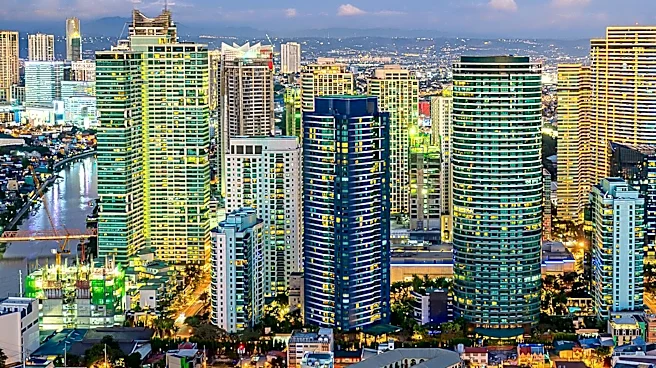
A recent survey, TransUnion’s Consumer Pulse Q3 2026, indicates that 51% of consumers in the Philippines anticipate higher spending on bills and loans in the next three months. This figure is the highest among 11 markets surveyed, surpassing the United
Kingdom's 45% and the United States' 38%. Despite these expectations of increased expenses, 77% of Filipino respondents expressed optimism about their household finances over the next year. This level of optimism matches Colombia and the Dominican Republic, making the Philippines one of the most optimistic markets surveyed. In contrast, Hong Kong, the only other Asian market included, recorded a lower optimism rate of 50%. Only 9% of Filipino respondents expected their financial situation to worsen, while 14% were neutral.
Why It's Important?
The high level of financial optimism in the Philippines, despite anticipated higher loan costs and bills, presents a unique economic paradox. This optimism could be driven by factors such as strong economic growth projections, remittances from overseas workers, or a general resilience among the population. However, the expectation of increased expenses, particularly in loans, suggests potential challenges for household budgets and consumer spending. If loan costs rise significantly, it could lead to increased debt burdens for consumers, potentially impacting their ability to save or invest. For businesses, this could mean a more cautious consumer base in the future, affecting sales and revenue. The contrast with Hong Kong's lower optimism highlights differing economic sentiments within Asia, potentially influenced by local economic conditions, government policies, and global economic outlooks. Understanding this dynamic is crucial for financial institutions and policymakers in the Philippines to manage consumer expectations and mitigate potential financial risks.
What's Next?
The Philippine government and financial institutions will need to closely monitor the balance between consumer optimism and the reality of rising expenses. Policymakers might consider measures to support household finances, such as managing inflation, ensuring stable employment, or providing financial literacy programs. Banks and lending institutions may need to assess their lending practices and offer flexible repayment options to help consumers manage higher loan costs. The sustained optimism could also encourage continued consumer spending and investment, which would be beneficial for economic growth. However, if the anticipated higher costs materialize without a corresponding increase in income or financial support, consumer sentiment could shift, potentially leading to a slowdown in economic activity. Future surveys will be essential to track changes in consumer confidence and financial behavior in response to these economic pressures.
Beyond the Headlines
The juxtaposition of high financial optimism with anticipated higher costs in the Philippines points to a deeper cultural or psychological resilience among its population, or perhaps a disconnect between immediate financial realities and long-term outlooks. This phenomenon could be rooted in strong family support systems, a robust informal economy, or a general belief in future prosperity despite present challenges. From a broader perspective, this situation highlights the complexities of measuring economic well-being, where subjective optimism can coexist with objective financial pressures. It also raises questions about the role of financial literacy and access to information in shaping consumer expectations. Understanding these underlying factors is crucial for developing effective economic policies that not only address immediate financial concerns but also foster sustainable long-term prosperity and financial stability for households.