







What's Happening?
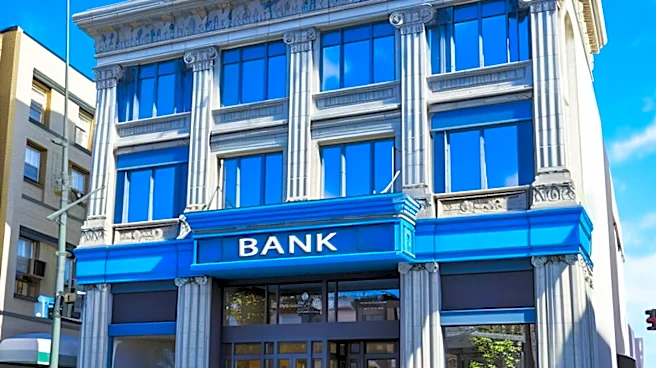
The Department for Communities (DfC) has announced over £1.4 million in funding to secure the future of the former Danske Bank building in Londonderry. This loan, provided through the North West Regeneration Fund, has enabled the Inner City Trust to acquire
the historic building located in Shipquay Square, which was originally constructed between 1860 and 1879. The plan is to refurbish the building and repurpose it for commercial use, aiming to support the broader regeneration efforts within the city center. Minister Gordon Lyons stated that this investment will help protect the city's built heritage and stimulate the local economy. The Inner City Trust anticipates that the building will be fully occupied by commercial clients following its refurbishment, contributing to economic development and increasing footfall in the area. This initiative is part of a larger regeneration program, including previous investments like the £5.1 million Inner Walled City Public Realm Scheme.
Why It's Important?
This investment is crucial for the economic and cultural revitalization of Londonderry's city center. By transforming a vacant historic building into a commercial hub, the project is expected to attract new businesses, create employment opportunities, and increase visitor traffic, thereby boosting the local economy. The preservation of the 19th-century Danske Bank building also underscores a commitment to safeguarding the city's architectural heritage, which can enhance its appeal as a tourist destination. The success of this project could serve as a model for future urban regeneration initiatives, demonstrating how strategic funding and collaborative efforts can breathe new life into historic urban areas. It also highlights the role of government departments and local trusts in driving sustainable development and community well-being.
What's Next?
The Inner City Trust plans to proceed with the refurbishment of the former Danske Bank building. They are currently in discussions with at least three potential commercial clients, with the goal of having businesses move in by the end of the year, following the completion of the refurbishment. The Department for Communities expects the building to be fully occupied in the coming months, which will contribute to economic development and increased footfall for local businesses. Foyle SDLP MP Colum Eastwood emphasized the need to explore other avenues for utilizing the regeneration fund and Financial Transactions Capital to further support the city's development. The project's progress will likely be monitored to assess its impact on the local economy and its effectiveness in achieving regeneration goals.
Beyond the Headlines
The regeneration of the former Danske Bank building extends beyond mere economic benefits; it represents a deeper commitment to urban sustainability and cultural identity. By revitalizing a landmark structure, the project helps maintain the historical narrative of Londonderry, ensuring that its past is integrated into its future. This approach can foster a stronger sense of community pride and belonging. Furthermore, the focus on commercial use suggests a strategic effort to create a dynamic urban environment that attracts both residents and visitors, potentially leading to a more vibrant social and cultural scene. The collaboration between government bodies and local trusts also highlights a model of public-private partnership that could be replicated in other regions facing similar challenges of urban decay and heritage preservation.