



What's Happening?
The market for lighted vanities is evolving with the integration of smart technology, focusing on user convenience and improved functionality. Key advancements include built-in power outlets and USB ports for charging devices, adjustable LED lighting
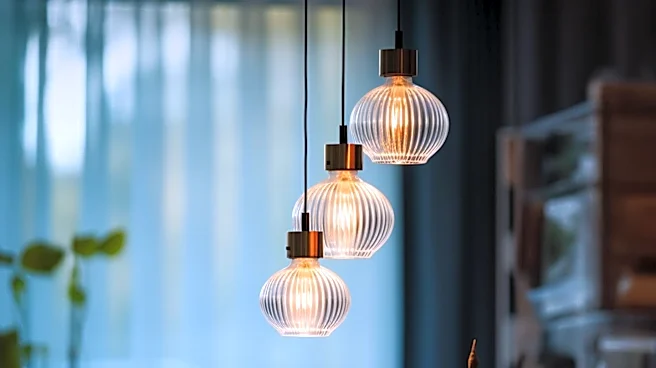
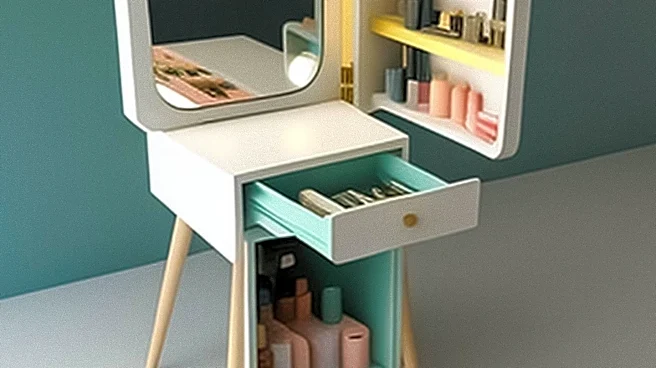
systems, and ergonomically designed storage solutions. For instance, one model features a charging station with two power outlets and two USB ports, alongside adjustable LED lighting. Another highlights touch-controlled LED lighting with customizable intensity and three color temperatures, allowing users to adapt lighting to various needs, from warm evening ambiance to neutral daylight simulation. These features aim to address common pitfalls of traditional vanities, such as inadequate lighting that distorts makeup colors and poorly designed storage that fails to accommodate diverse beauty products. The emphasis is on creating a functional and adaptable space for personal care routines.
Why It's Important?
The integration of smart technology into vanity designs signifies a broader trend in consumer products towards enhanced convenience and personalization within the home. For U.S. consumers, this means access to products that not only serve their primary function but also streamline daily routines by incorporating charging capabilities and adaptable lighting. This shift impacts the home furnishings and electronics industries, driving innovation in design and manufacturing. Companies that adopt these smart features can gain a competitive edge by meeting the growing demand for multi-functional and technologically advanced home solutions. Furthermore, the focus on adjustable lighting with high Color Rendering Index (CRI) is crucial for industries related to beauty and personal care, as it ensures accurate color perception, which is vital for makeup application and skincare routines. This evolution reflects a consumer preference for products that offer both aesthetic appeal and practical, tech-driven benefits.
What's Next?
The trend towards smart vanities is likely to continue, with future developments potentially including further integration with smart home ecosystems, voice control, and advanced sensor technology for personalized lighting and environmental adjustments. Manufacturers will likely explore more sophisticated materials that are resistant to moisture and wear, addressing durability concerns. The market may also see an increase in modular designs, allowing consumers to customize their vanity setups with various smart components. Retailers will need to adapt their offerings to showcase these technologically advanced products, potentially through interactive displays that demonstrate the benefits of adjustable lighting and integrated charging. As consumer awareness of these features grows, demand for smart vanities is expected to rise, pushing innovation in both functionality and design.
Beyond the Headlines
Beyond the immediate benefits of convenience and improved functionality, the rise of smart vanity technology reflects a deeper cultural shift towards self-care and personalized wellness within the home. The emphasis on optimal lighting for makeup application and skincare routines underscores a growing consumer investment in personal appearance and well-being. This trend also highlights the increasing expectation that everyday objects should be 'smart' and interconnected, blurring the lines between traditional furniture and personal electronics. The ethical implications could involve data privacy if these devices begin to collect usage patterns or integrate with other personal data. Furthermore, the focus on high CRI lighting could set new standards for visual accuracy in various industries, from fashion to art, by promoting environments that render colors true to life. This evolution suggests a future where personal spaces are not just functional but also intelligently optimized for individual needs and preferences.