




What's Happening?
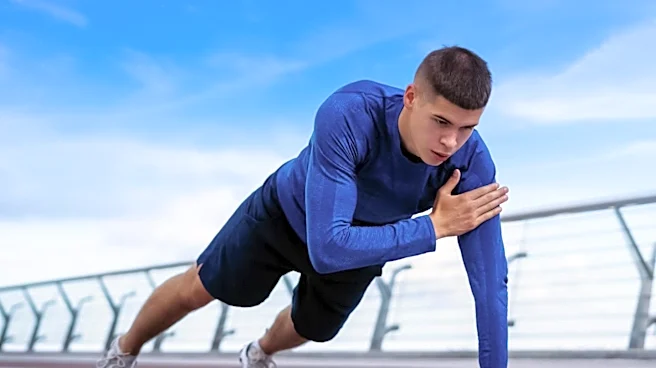
A new advanced core exercise, dubbed the 'Plank Truck Driver,' is gaining attention for its intensity and comprehensive engagement of core and shoulder muscles. This exercise, shared by Jay Maryniak on Instagram, combines a high plank with controlled
torso rotations while balancing on the edge of a weight plate. Participants start in a kneeling position, holding a weight plate like a steering wheel, then transition into a high plank with a wide stance for stability. The core of the movement involves slowly rotating the torso to each side, requiring constant tension in the core, shoulders, and arms. The exercise is described as one of the toughest core challenges, demanding significant strength and control. For those not yet ready for the full movement, scaled versions are suggested, such as performing a high plank on a medicine ball for less stability, or keeping knees on the floor while using the weight plate to learn the movement pattern. Another modification involves holding the starting position and gently rocking side to side to build foundational strength.
Why It's Important?
The introduction of advanced exercises like the 'Plank Truck Driver' highlights a growing trend in fitness towards more dynamic and challenging core workouts that go beyond traditional planks and crunches. This shift is important for individuals seeking to enhance not only their abdominal strength but also overall functional fitness, balance, and injury prevention. By engaging deep stabilizing muscles and requiring significant shoulder and arm strength, this exercise contributes to a more holistic approach to physical conditioning. For fitness enthusiasts and athletes, mastering such complex movements can lead to improved performance in various physical activities and sports. Furthermore, the emphasis on progressive scaling makes this challenging exercise accessible to a wider range of fitness levels, promoting continuous improvement and reducing the risk of injury often associated with attempting advanced movements without proper preparation. This trend underscores the evolving understanding of core strength as integral to total body stability and movement efficiency.
What's Next?
As advanced core exercises like the 'Plank Truck Driver' gain popularity, it is likely that more fitness professionals and trainers will incorporate similar dynamic and multi-joint movements into their programs. This could lead to the development of new workout routines and specialized classes focusing on advanced core stability and strength. We may also see an increase in online tutorials and fitness content dedicated to breaking down complex exercises into manageable progressions, making them accessible to a broader audience. For individuals, the next step involves assessing their current core strength and gradually working through the suggested modifications to build up to the full 'Plank Truck Driver' exercise. Fitness equipment manufacturers might also respond by developing new tools or accessories designed to facilitate these advanced movements or provide additional support during training. The continued emphasis on functional strength and injury prevention suggests that the fitness industry will keep innovating with exercises that challenge the body in comprehensive ways.
Beyond the Headlines
Beyond its immediate physical benefits, the 'Plank Truck Driver' reflects a deeper cultural shift in fitness towards valuing mastery and progressive challenge. In an era where quick fixes and superficial results are often promoted, exercises like this emphasize the importance of consistent effort, proper form, and gradual progression. This approach fosters a more mindful connection between the individual and their body, encouraging patience and dedication in achieving fitness goals. Ethically, the availability of scaled versions promotes inclusivity, allowing individuals of varying fitness levels to participate safely and effectively. The exercise also highlights the interconnectedness of different muscle groups, moving away from isolated muscle training towards a more integrated understanding of bodily mechanics. This holistic perspective can lead to greater body awareness and a more sustainable approach to long-term health and wellness, reducing the likelihood of plateaus and fostering a sense of accomplishment through skill development.