







What's Happening?
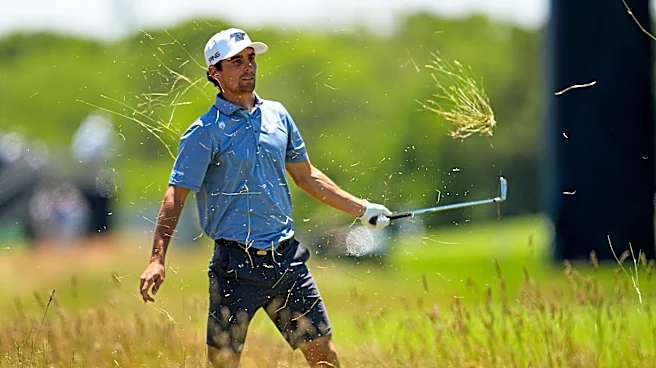
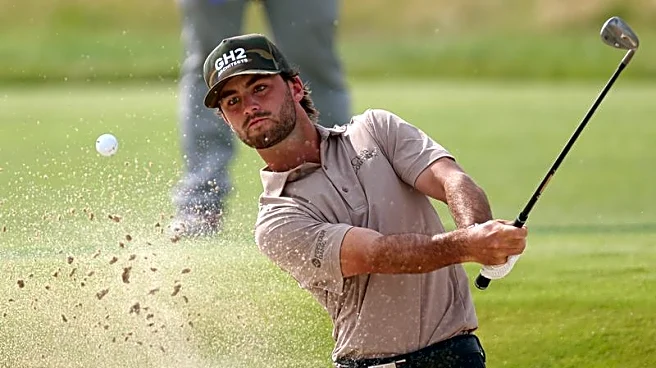
The 2026 U.S. Open at Shinnecock Hills in Southampton, New York, is showcasing the importance of strategic decision-making and execution in golf. The course, known for its challenging layout, requires players to make critical choices on each hole. The first
round saw a mix of strategies, with players like Rory McIlroy opting for conservative play, while others like Ludvig Åberg took more aggressive approaches. The course's design, with its varying wind conditions and complex hole layouts, demands precise shot-making and adaptability. The leaderboard is reflecting these strategic differences, with players employing diverse tactics to navigate the course's challenges.
Why It's Important?
The strategic complexity of Shinnecock Hills highlights the skill and adaptability required at the highest levels of golf. This tournament serves as a test of both mental and physical prowess, influencing player rankings and reputations. The U.S. Open's outcome can impact player careers, sponsorships, and the broader golf industry, as it draws significant media attention and viewership. The event also underscores the importance of course design in competitive golf, influencing future tournament preparations and player training. The diverse strategies employed by players can lead to shifts in how the game is played and perceived at professional levels.
What's Next?
As the tournament progresses, players will continue to adapt their strategies based on weather conditions and course dynamics. The leaderboard is expected to remain fluid, with potential shifts in player standings as they adjust to the course's challenges. Stakeholders, including sponsors and broadcasters, will closely monitor the tournament's developments, as outcomes can affect future partnerships and media rights. The U.S. Open's results may also influence player selections for upcoming international competitions, such as the Ryder Cup, and impact the planning of future tournaments at Shinnecock Hills and similar venues.