



What's Happening?
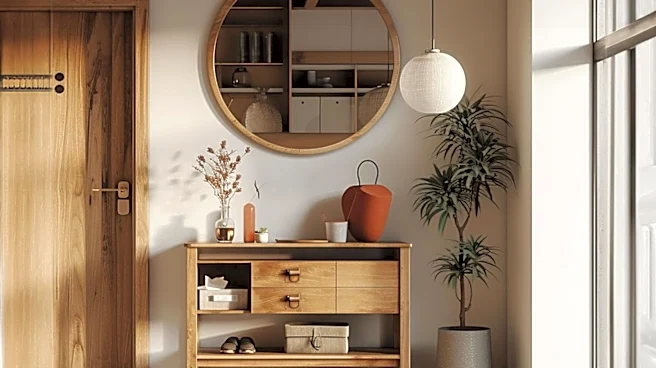
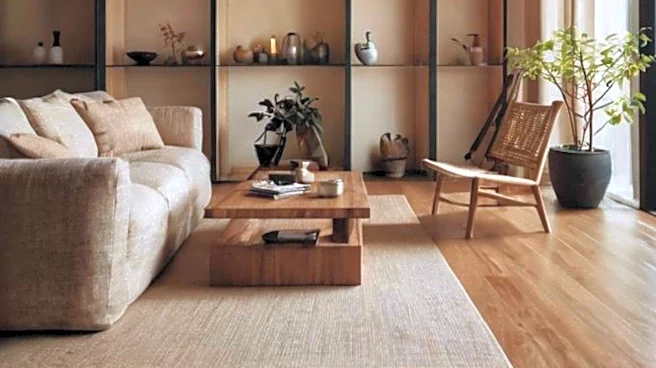
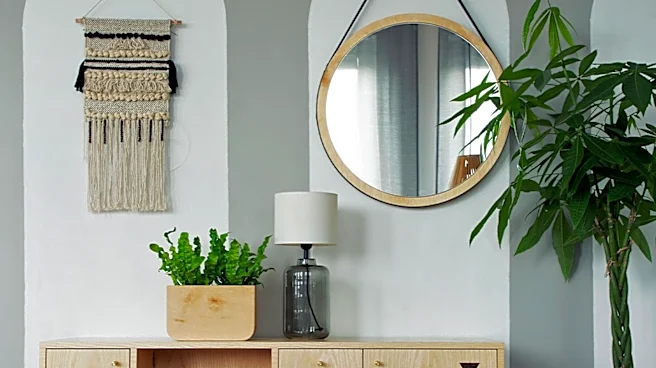
Japandi style, a fusion of Japanese minimalism and Scandinavian warmth, is gaining traction in interior design. This aesthetic emphasizes clean lines, muted neutral colors, and natural materials. Key elements include flat slab or slim-frame Shaker cabinet
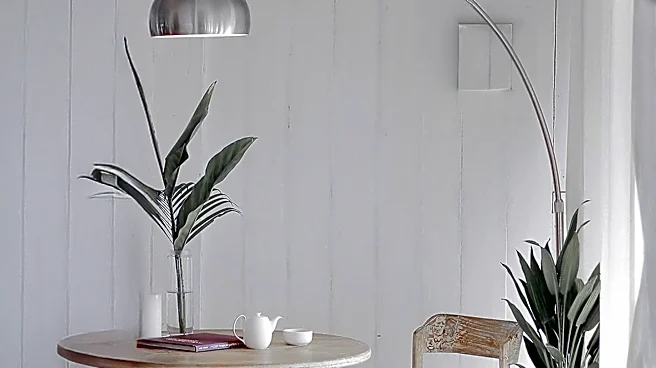
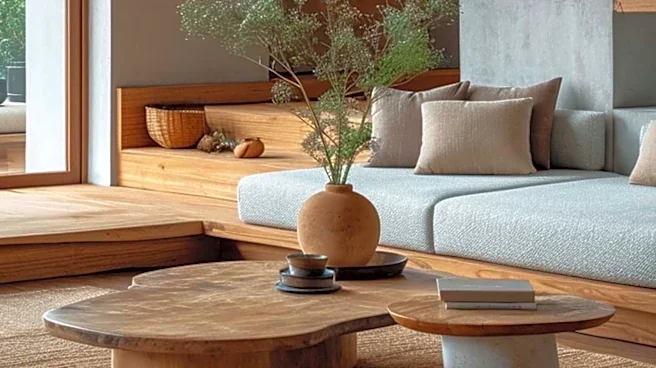
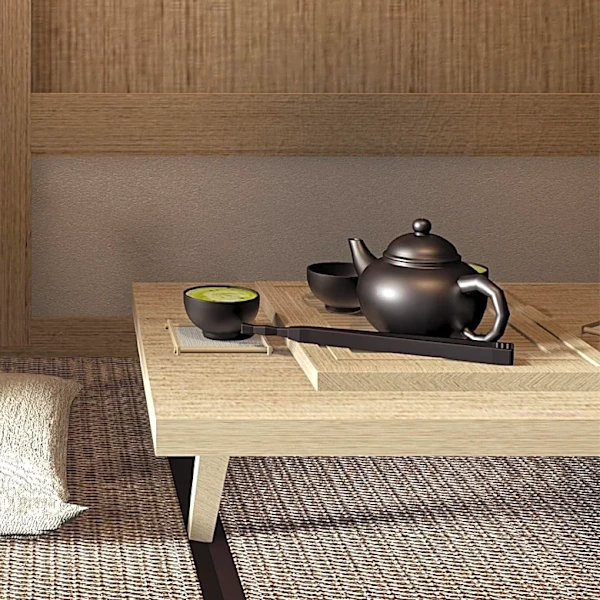
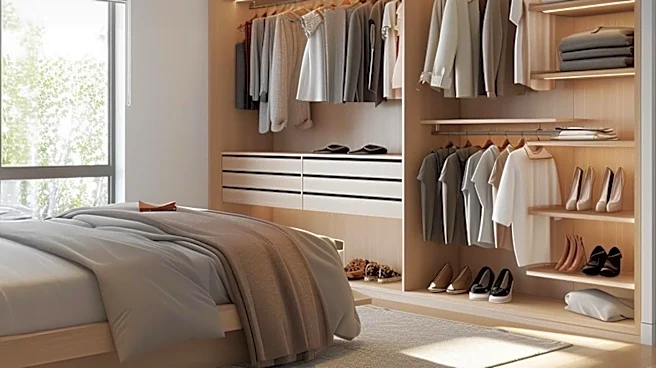
doors, natural wood tones, and a color palette of warm off-white, greige, taupe, and grey-brown, with black or charcoal used sparingly as accents. The design prioritizes closed cabinets and minimal open shelving to maintain a calm and uncluttered environment. It aims for a serene and functional space that feels warm and inviting without being busy. The style is characterized by simplicity, natural materials like wood, stone, ceramic, and linen, and a focus on craft and imperfection, such as visible wood grain or handmade pottery. Functionality is paramount, with most items stored out of sight to reduce visual clutter. Light, both natural and soft warm artificial light, is also a crucial component, along with a balanced layout and the incorporation of natural elements like plants.
Why It's Important?
The rise of Japandi style reflects a broader shift in U.S. interior design preferences towards more mindful and sustainable living. This trend offers consumers a design aesthetic that is both visually appealing and highly functional, promoting a sense of calm and order in an increasingly chaotic world. For the home furnishings and construction industries, this means a growing demand for specific types of materials, finishes, and furniture designs. Manufacturers and retailers focusing on natural woods, muted color palettes, and minimalist forms are likely to see increased interest. The emphasis on hidden storage and simple, durable materials also aligns with a desire for longevity and reduced consumption, potentially influencing product development and marketing strategies. Furthermore, the style's adaptability to various home sizes, particularly smaller spaces, makes it relevant for urban living and diverse housing markets across the U.S., offering practical solutions for maximizing space and creating tranquil environments.
What's Next?
As Japandi style continues to evolve, we can expect to see further integration of its principles into mainstream interior design. This may include more readily available furniture and decor lines that specifically cater to this aesthetic, from major retailers to independent designers. The demand for natural, sustainable materials is likely to increase, pushing manufacturers to source and produce eco-friendly options. Interior designers and architects will likely incorporate Japandi elements into their projects, offering clients a blend of modern sophistication and serene functionality. Educational resources and design guides will continue to emerge, helping homeowners and professionals understand and implement the style effectively. Additionally, the influence of AI in interior design, as noted by sources, could further accelerate the adoption and customization of styles like Japandi, allowing consumers to visualize and plan their spaces with greater ease and precision.
Beyond the Headlines
Beyond its aesthetic appeal, Japandi style embodies a deeper cultural and philosophical significance. It merges the Japanese concept of 'wabi-sabi,' which finds beauty in imperfection and transience, with the Scandinavian 'hygge,' focusing on coziness and well-being. This blend encourages a more intentional approach to living, where quality over quantity, functionality, and a connection to nature are prioritized. The style subtly challenges consumerism by advocating for fewer, more meaningful possessions and a decluttered environment, fostering mental clarity and reducing stress. Ethically, its emphasis on natural and often sustainable materials can promote responsible sourcing and manufacturing practices. Culturally, it represents a global convergence of design philosophies, demonstrating how different traditions can harmoniously combine to create a universally appealing and impactful aesthetic that transcends geographical boundaries and influences how Americans perceive and interact with their living spaces.