









What's Happening?
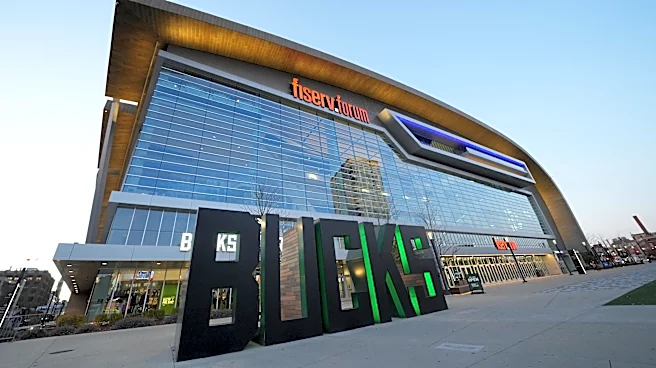
Major U.S. banks, including JPMorgan, Bank of America, Wells Fargo, and PNC Financial Services, are reportedly exploring a potential acquisition of a network owned by fintech company Fiserv. This move is seen as an attempt to circumvent the fee caps imposed
by the Durbin amendment, part of the 2010 Dodd-Frank law, which limits the interchange fees banks can charge merchants for debit card transactions. The law exempts banks from these caps if they own the network through which transactions are processed. While some banks have decided against pursuing the acquisition, others remain interested despite potential political backlash.
Why It's Important?
The discussions among major banks to potentially acquire a network highlight the ongoing tension between financial institutions and regulatory measures designed to protect merchants and consumers. The Durbin amendment's fee caps have been criticized by banks for limiting their revenue from interchange fees, which they argue are necessary to cover costs associated with free checking accounts and debit card rewards programs. On the other hand, merchants support the caps as they help reduce transaction costs, which can be passed on to consumers. The outcome of these discussions could significantly impact the financial landscape, affecting both banks' revenue models and merchants' operating costs.
What's Next?
If the acquisition proceeds, it could set a precedent for other banks seeking to bypass regulatory fee caps, potentially leading to increased transaction costs for merchants. This could prompt further regulatory scrutiny and potential legislative action to address loopholes in the existing framework. Merchants and consumer advocacy groups may also respond by lobbying for stricter regulations to ensure fair pricing and protect consumer interests. The financial industry will be closely watching the developments, as they could influence future strategies and regulatory approaches.