





What's Happening?
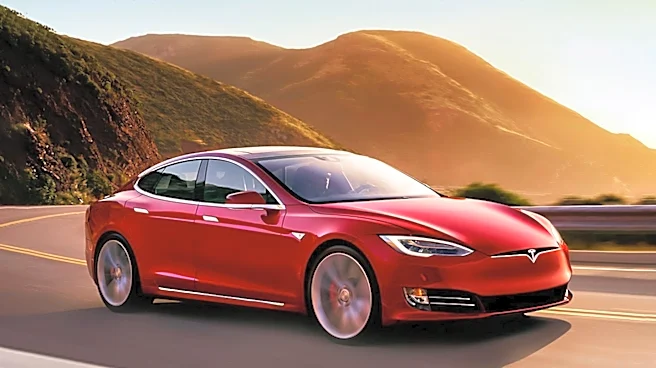
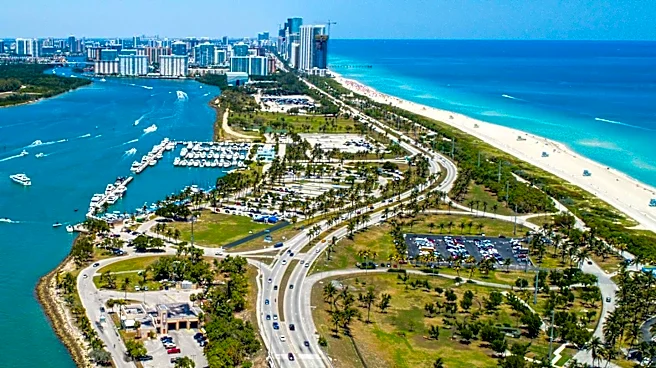
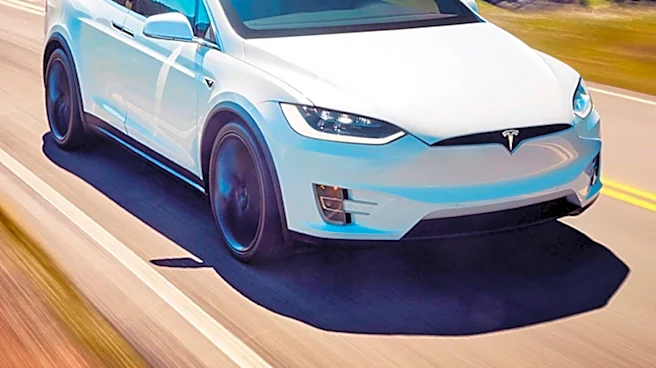
Tesla has initiated testing of its driverless Model Y SUVs in Orlando and Tampa, Florida, expanding its robotaxi service beyond Miami. This development comes just before Tesla's second-quarter earnings report, drawing attention from industry experts.
The testing in Florida is part of a broader strategy to establish autonomous fleets across the U.S., with previous announcements of similar projects in Dallas and Houston. However, these operations have not yet reached commercial scale. The expansion in Florida is limited in scope, with no specific details on the number of vehicles involved. The tests aim to assess the performance of Tesla's software in real urban conditions without driver supervision.
Why It's Important?
Tesla's expansion of its robotaxi service in Florida is significant for the autonomous vehicle industry, as it demonstrates the company's commitment to advancing driverless technology. The move could accelerate the adoption of autonomous vehicles in the U.S., potentially transforming urban transportation systems. The Department of Transportation's proposal to remove mandatory brake pedals in autonomous vehicles could further facilitate Tesla's plans, allowing faster implementation of its Cybercab project. Successful testing in Florida could bolster investor confidence and influence legislative changes, impacting the future of autonomous transport.
What's Next?
Tesla plans to serve half of the U.S. population with its robotaxis by the end of 2025, although progress has been slower than anticipated. The company is deploying Cybercab prototypes across various U.S. cities, with Florida tests serving as a critical evaluation of software performance. Legislative changes could provide additional opportunities for Tesla, potentially speeding up the commercial launch of its autonomous services. Stakeholders, including investors and policymakers, will closely monitor the outcomes of these tests and any regulatory developments.