

What's Happening?
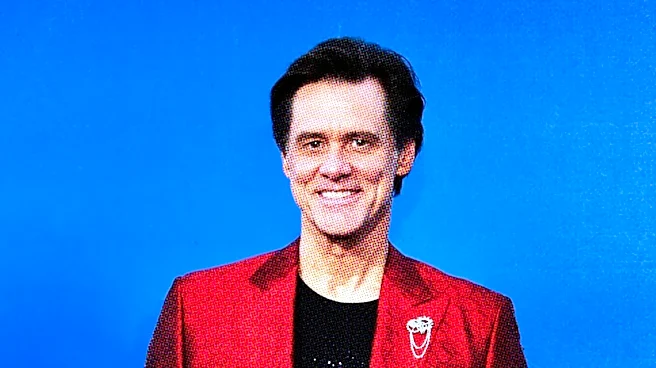
A new biography titled "The Emperor Of Nothing: The Making Of Larry David" by Blake J. Harris reveals that actor Jim Carrey was considered for the role of George Costanza in the iconic sitcom 'Seinfeld'. Before Jason Alexander was cast, Carrey was among
several notable actors discussed for the part. Other actors on the early casting list included Paul Feig, Adam Arkin, Anthony Edwards, and Rick Moranis, with Tony Shalhoub even auditioning for the role. Casting director Marc Hirschfeld clarified that these initial lists were broad, serving as a starting point to identify potential candidates. The book, based on interviews with Larry David, his family, and associates, offers new insights into the show's creation and casting process decades after its conclusion. Ultimately, Larry David was convinced by Jason Alexander's audition tape, leading to his casting as George Costanza. The biography also details other casting considerations, such as Eugene Levy and Joe Pesci for Cosmo Kramer, and Rosie O'Donnell and Patricia Heaton for Elaine Benes, before Michael Richards and Julia Louis-Dreyfus secured those roles, respectively.
Why It's Important?
This revelation offers a significant glimpse into the formative stages of one of television's most successful and influential sitcoms. The casting choices in 'Seinfeld' were pivotal to its unique comedic chemistry and enduring legacy. Had Jim Carrey, known for his highly physical and expressive comedic style, been cast as George Costanza, the character and the show's overall dynamic could have been drastically different. George Costanza, as portrayed by Jason Alexander, became a neurotic, self-deprecating character, a cornerstone of the show's observational humor. Carrey's involvement might have shifted the character towards a more exaggerated or slapstick portrayal, potentially altering the show's critical reception and cultural impact. This insight underscores the delicate balance of casting in television production and how seemingly minor decisions can profoundly shape a cultural phenomenon. It also highlights the 'what if' scenarios that often exist behind the scenes of beloved productions, providing fans and industry observers with a deeper appreciation for the creative processes involved.
What's Next?
The release of "The Emperor Of Nothing: The Making Of Larry David" is likely to generate renewed interest in 'Seinfeld' and its behind-the-scenes history. Fans and critics may engage in discussions about how different casting choices could have impacted the show's trajectory and the careers of the actors involved. This type of biographical detail often leads to retrospective analyses and documentaries exploring the creative decisions that shaped popular culture. For the entertainment industry, such revelations can serve as case studies in casting and character development, influencing future production strategies. The book's insights may also prompt further interviews or retrospectives with the surviving cast and crew, offering even more nuanced perspectives on the show's development. Additionally, the discussion around Jim Carrey's near-casting could spark renewed appreciation for Jason Alexander's definitive portrayal of George Costanza, solidifying his iconic status.
Beyond the Headlines
The story of Jim Carrey almost playing George Costanza extends beyond a mere casting anecdote; it touches upon the serendipitous nature of creative collaboration and the profound impact of individual performances on a collective work. It highlights how the specific blend of actors can create an alchemy that defines a show's identity and cultural resonance. Had Carrey taken the role, his established comedic persona might have overshadowed the ensemble dynamic that 'Seinfeld' was celebrated for, potentially shifting the focus from the show's unique observational humor to a more star-driven vehicle. This scenario underscores the delicate balance between individual talent and ensemble chemistry in television. Furthermore, it illustrates how many iconic roles could have gone to different actors, reminding us that the versions of characters we come to love are often the result of a complex interplay of auditions, creative vision, and fortunate timing, rather than a predetermined path.