




What's Happening?
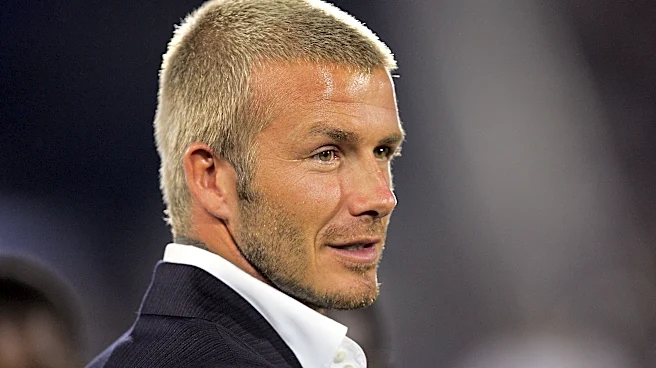
DB Ventures, David Beckham's commercial company, has filed a lawsuit in the New York Supreme Court against German beauty group Coty. The lawsuit seeks at least $41 million in damages for an alleged breach of their licensing agreement. DB Ventures claims
that Coty, responsible for manufacturing and distributing Beckham-branded fragrances and toiletries, allowed these 'luxury' products to be sold in discount stores and even a gas station bargain bin. Products like the Classic and Instinct lines, and the eaux de toilette Intimately and Exquisite Leather, were reportedly found at British budget retailer Poundland, leading to their sale at 'dollar store prices.' DB Ventures argues that this practice devalues the David Beckham brand, which they assert is synonymous with 'excellence and refinement' and 'everyday luxury.' Coty, in response, has asked the court to dismiss the lawsuit, citing a lack of jurisdiction in New York and alleging that DB Ventures is attempting to prematurely exit its licensing deal to transfer contracts to another firm, Interparfums. Coty has stated it strongly disputes the claims.
Why It's Important?
This lawsuit highlights the critical importance of brand image and distribution control for celebrity-backed products in the U.S. market. For luxury or aspirational brands, maintaining exclusivity and a premium retail presence is crucial for consumer perception and market value. The alleged sale of David Beckham's fragrances in discount outlets could significantly dilute the brand's perceived value, impacting future sales and licensing opportunities. For Coty, a major player in the beauty industry, the lawsuit could damage its reputation as a reliable partner for celebrity endorsements and brand management. The outcome could set a precedent for how licensing agreements are enforced, particularly regarding product placement and pricing strategies, affecting how other celebrity brands and beauty conglomerates manage their partnerships and distribution channels within the competitive U.S. retail landscape. The dispute also underscores the financial stakes involved, with DB Ventures seeking substantial damages to compensate for the alleged brand degradation.
What's Next?
The immediate next step in this legal dispute will be the New York Supreme Court's decision on Coty's motion to dismiss the lawsuit, which argues that New York courts lack jurisdiction. If the court denies Coty's motion, the case will likely proceed to discovery, where both parties will exchange evidence and information. This could involve detailed examinations of Coty's distribution networks, sales records, and internal communications regarding the placement of Beckham-branded products. DB Ventures will need to demonstrate how Coty's actions directly breached their licensing agreement and quantify the damages to the brand. Conversely, Coty will aim to prove that their distribution practices were within the terms of the agreement or that DB Ventures' claims are unfounded. The resolution could involve a lengthy court battle or a potential out-of-court settlement, which would likely include financial compensation and possibly revised terms for their ongoing licensing agreement or its termination. The outcome will be closely watched by other celebrity brand owners and beauty companies.
Beyond the Headlines
Beyond the immediate legal and financial implications, this case touches upon broader themes of brand integrity in the age of mass market distribution. The tension between making products accessible to a wider audience and maintaining a premium brand image is a constant challenge for celebrity endorsements. For David Beckham, whose personal brand extends across sports, fashion, and lifestyle, the perceived 'luxury' status of his products is integral to his overall commercial appeal. The lawsuit implicitly questions the effectiveness of contractual clauses designed to protect brand image and control distribution channels. It also highlights the potential for conflict when a licensee's pursuit of sales volume might inadvertently undermine the licensor's brand positioning. This dispute could lead to more stringent clauses in future licensing agreements, particularly concerning retail placement and pricing, as celebrities and their commercial entities seek to safeguard their brand equity against dilution in an increasingly diverse retail environment.