






What's Happening?
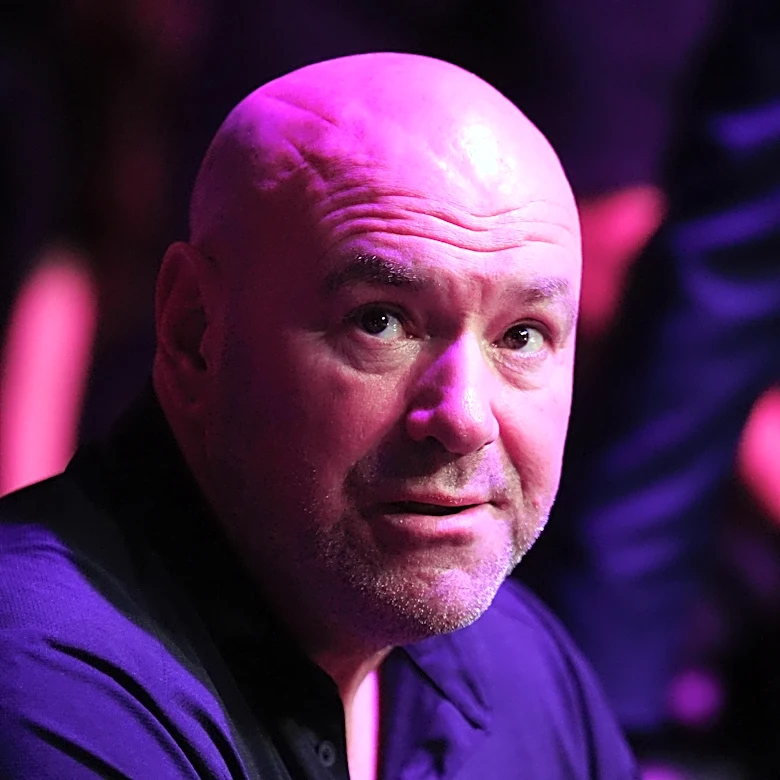
Dana White, the founder and CEO of the UFC, has announced plans to host the organization's first-ever event in Hawaii. This development follows the announcement of the New Aloha Stadium Entertainment District in Halawa, Oahu, a 31,000-seat multi-purpose
facility designed to accommodate major combat sports events. The new stadium is slated to open in the first quarter of 2029. White has indicated that the inaugural UFC Hawaii event will take place shortly after the complex's completion. For 23 years, the UFC has sought to bring an event to Hawaii, a region identified as one of its largest fan bases, but has been hindered by the lack of suitable infrastructure. The new stadium addresses this long-standing challenge, enabling the UFC to finally engage with its dedicated Hawaiian audience.
Why It's Important?
This initiative marks a significant expansion for the UFC into a previously untapped, yet highly engaged, U.S. market. Hawaii has consistently been a strong market for the UFC, even producing multiple world champions, despite never hosting an event. Bringing a major UFC card to the islands will not only satisfy a long-standing demand from local fans but also open up new revenue streams through ticket sales, merchandise, and tourism. The event is expected to draw a substantial number of visitors to Hawaii, boosting the local economy through hospitality, travel, and related services. For the UFC, it reinforces its strategy of global expansion and audience engagement, demonstrating a commitment to reaching its fan base in diverse locations. This move could also inspire other major sports and entertainment organizations to consider Hawaii as a viable venue for large-scale events, given the new infrastructure.
What's Next?
Following the anticipated opening of the New Aloha Stadium Entertainment District in early 2029, the UFC will proceed with planning and announcing the specific details of its inaugural Hawaiian event. This will involve selecting a fight card, determining ticket sales, and coordinating logistics for what Dana White expects to be a highly sought-after destination event. The success of this initial event could pave the way for future UFC events in Hawaii, establishing it as a regular stop on the organization's calendar. Additionally, the completion of the new stadium may attract other major sporting events, concerts, and entertainment spectacles to Oahu, further solidifying Hawaii's position as a premier destination for large-scale gatherings.
Beyond the Headlines
The decision to bring the UFC to Hawaii extends beyond mere entertainment; it represents a significant investment in the state's infrastructure and tourism sector. The New Aloha Stadium Entertainment District is not just a venue for combat sports but a multi-purpose facility designed to revitalize the Halawa area. This development could foster a new era of economic growth and community engagement, providing jobs and opportunities for local businesses. The cultural impact of hosting such a high-profile event could also be substantial, showcasing Hawaiian athletes and culture on a global stage. Furthermore, the UFC's commitment to expanding into underserved markets highlights a broader trend in sports and entertainment to decentralize major events, bringing them closer to diverse fan bases and leveraging regional enthusiasm.