






What's Happening?
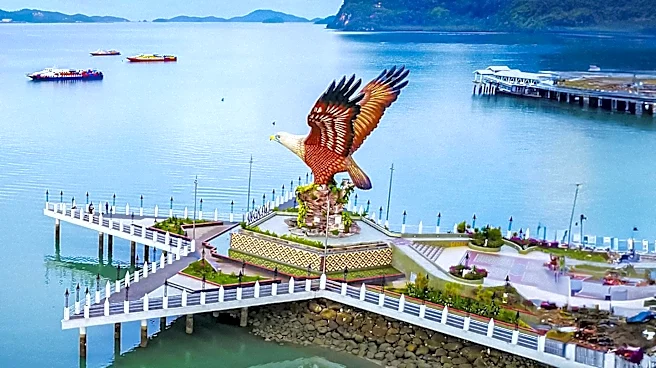
Hilton has officially opened its new beachfront resort, Hilton Burau Bay Langkawi Resort, in Malaysia. This expansion marks a significant addition to Hilton's portfolio in the region. The resort is situated on an almost 22-acre site, featuring a 650-meter
private beachfront at Teluk Burau, Mukim Padang Matsirat. It offers 251 guest rooms and suites with views of the rainforest, mountains, or sea. The opening ceremony was graced by the Sultan of Kedah, who has previously advocated for Langkawi's development to maintain its unique identity rather than imitating other popular tourist destinations like Phuket or Bali. The resort's development, a collaboration with Tradewinds Corporation Berhad, aims to reflect Langkawi's distinct character and natural heritage. It is conveniently located approximately 15 to 20 minutes from Langkawi International Airport and is close to major attractions such as the Langkawi cable car, SkyBridge, and Oriental Village. The resort also boasts four dining outlets, a spa, three swimming pools, recreational facilities, a nature center, and a kids' club, alongside over 5,400 square feet of event space.
Why It's Important?
The opening of Hilton Burau Bay Langkawi Resort is important for several reasons, particularly for the tourism sector in Langkawi and Malaysia. This new resort is expected to elevate the standard of full-service hospitality in Langkawi, attracting a broader range of international and domestic tourists. For the local economy, the investment by Hilton and Tradewinds Corporation Berhad is projected to create numerous employment opportunities for the local community, supporting local businesses and contributing to the overall tourism ecosystem and economic growth of Langkawi and Kedah. The emphasis on developing the resort to reflect Langkawi's unique character, as called for by the Sultan of Kedah, highlights a strategic approach to sustainable tourism that values local heritage and natural treasures. This could set a precedent for future developments in the region, ensuring that economic growth is balanced with cultural preservation and environmental considerations, especially given the resort's proximity to the Langkawi UNESCO Global Geopark. The increased competition and enhanced offerings in the luxury hospitality sector will likely benefit consumers by providing more diverse and high-quality accommodation options.
What's Next?
Following the opening of Hilton Burau Bay Langkawi Resort, the immediate focus will likely be on establishing its operations and integrating it into Langkawi's tourism landscape. The resort will aim to attract guests, leveraging its extensive amenities and prime location near key attractions. Tradewinds Corporation Berhad, which already owns four other resorts on the island, will continue to manage its hospitality portfolio, potentially exploring further developments that align with the Sultan of Kedah's vision for Langkawi's unique identity. Hilton will likely monitor the resort's performance as part of its broader commitment to expanding its flagship brand experience in Malaysia's leisure destinations. Local authorities and tourism boards will observe the economic impact, including job creation and support for local businesses, to assess the success of this development model. Future tourism strategies for Langkawi may further emphasize sustainable development and the preservation of natural and cultural heritage, influenced by the approach taken with this new Hilton resort. The resort's success could also encourage other international hospitality brands to invest in Langkawi, potentially increasing competition and further enhancing the island's appeal as a premier tourist destination.
Beyond the Headlines
The opening of Hilton Burau Bay Langkawi Resort carries deeper implications beyond its immediate economic and tourism benefits. The explicit directive from the Sultan of Kedah to develop Langkawi according to its own identity, rather than emulating other destinations, underscores a growing global trend towards authentic and sustainable tourism. This approach challenges the homogenization of tourist destinations and promotes the preservation of unique local characteristics, which can be crucial for long-term cultural and environmental sustainability. The resort's commitment to reflecting Langkawi's character and supporting the heritage of the Langkawi UNESCO Global Geopark highlights a shift towards responsible tourism, where development is integrated with conservation efforts. This could foster a greater appreciation for the island's natural and cultural assets among both developers and tourists. Furthermore, the creation of employment opportunities and support for local businesses can empower local communities, ensuring that the benefits of tourism are distributed more equitably. This model could serve as a blueprint for other regions seeking to balance economic growth with the protection of their unique identity and environment, promoting a more thoughtful and impactful form of global tourism.