





What's Happening?
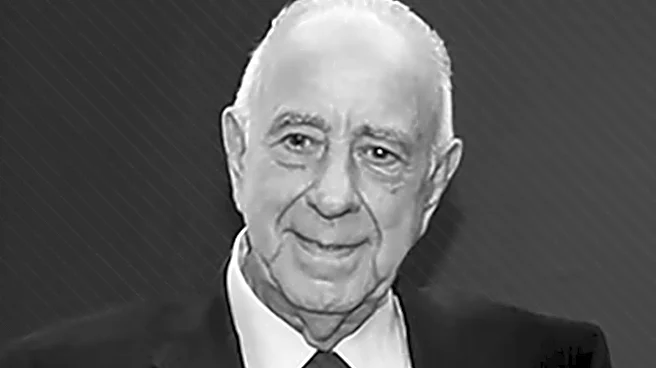
John Malone, the founder of Liberty Media, has significantly reduced his voting power within the company, decreasing it from 48% to approximately 3%. This change in governance structure comes as former President and CEO of Liberty Media, Greg Maffei,
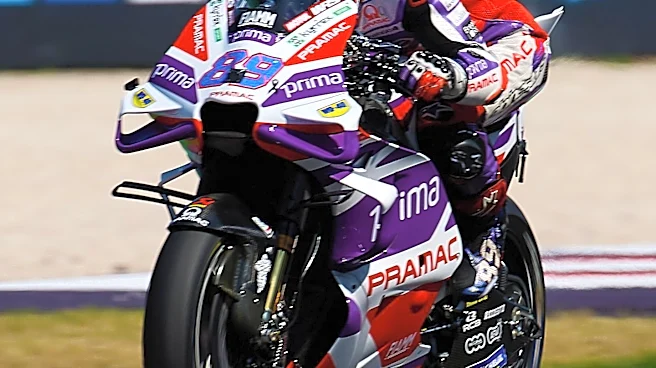
suggested that Formula 1 and MotoGP could be sold within the next two years. Maffei's comments, made at the Sportico's Invest New York 2026 conference, indicate that Liberty Media might be open to divesting these assets if the right offer emerges. The value of Formula 1 has seen substantial growth since Liberty Media acquired its commercial rights in 2017 for an estimated $4.6 billion, with the company's stock tripling and EBITDA increasing significantly. This reduction in Malone's voting stake could influence future decisions regarding the sale of these high-value sports properties.
Why It's Important?
The drastic reduction in John Malone's voting power in Liberty Media is a pivotal development that could reshape the future of major global sports properties like Formula 1 and MotoGP. Malone's previous 48% stake provided substantial control, and its reduction to 3% suggests a significant shift in the company's internal power dynamics. This change could make Liberty Media more susceptible to external pressures or shareholder influence regarding strategic decisions, including potential sales. For U.S. investors and the broader sports industry, this signals a potential opportunity for new ownership or significant restructuring within these highly profitable ventures. The financial success of Formula 1 under Liberty Media, with its stock tripling and EBITDA soaring, makes it an attractive asset, and a change in governance could accelerate a sale, impacting broadcasting rights, sponsorship deals, and the overall market for sports entertainment.
What's Next?
The immediate future will likely involve increased scrutiny of Liberty Media's strategic direction and potential acquisition offers for Formula 1 and MotoGP. Greg Maffei's remarks have already put the market on alert, and the reduction in John Malone's voting power could embolden potential buyers. Any sale would require approval from the FIA, which holds ownership of the World Championship and grants commercial rights. Stakeholders, including other major shareholders, potential acquiring entities, and regulatory bodies, will be closely monitoring developments. The financial markets will also be watching for any indications of formal sale processes or further shifts in Liberty Media's corporate structure. The coming months could see preliminary discussions or expressions of interest from various parties looking to capitalize on the growing value of these global sports franchises.
Beyond the Headlines
The reduction of John Malone's voting power in Liberty Media extends beyond a simple corporate restructuring; it reflects a broader trend of evolving ownership and control in major media and entertainment conglomerates. Malone, a figure known for his strategic long-term investments and influence, stepping back from such a dominant voting position could signal a generational shift in corporate governance or a strategic move to unlock value. This development raises questions about the long-term vision for Liberty Media and its portfolio. It also highlights the increasing financialization of sports, where properties like Formula 1 are viewed as high-value assets subject to market forces and shareholder demands. The ethical implications of such sales often revolve around maintaining the sport's integrity versus maximizing shareholder returns, a balance that new ownership would need to navigate.