



What's Happening?
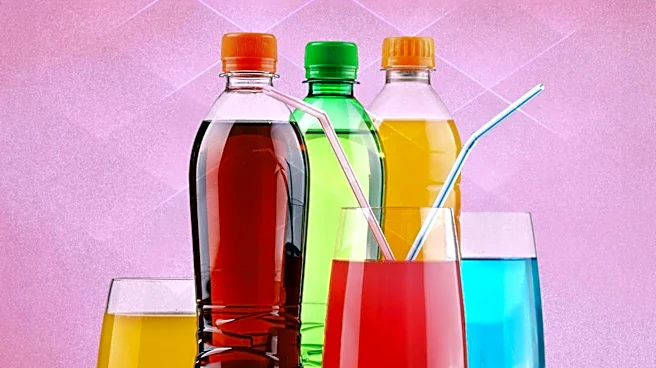
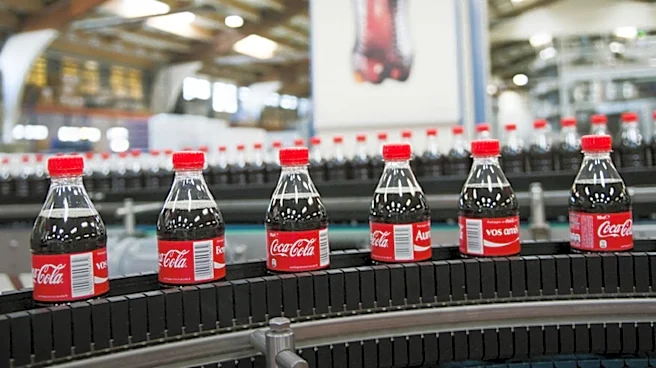
The global beverage market is currently undergoing a significant expansion, primarily fueled by the increasing demand for functional drinks and high-energy products. This growth is particularly evident in two main categories: soft drinks, which are typically
water-based non-alcoholic beverages with added carbon dioxide, sweeteners, and flavorings, and energy drinks, specifically formulated to enhance physical and cognitive performance. A key ingredient in both types of beverages is caffeine, an alkaloid that acts as a central nervous system stimulant, reducing fatigue and improving mental clarity. The European Food Safety Authority (EFSA) has set a maximum safety limit of 400 mg/day for a healthy adult, making accurate analytical monitoring of caffeine content crucial for regulatory compliance, food safety, and correct product labeling. Traditional methods for caffeine determination, such as UV-Vis spectrophotometry and high-performance liquid chromatography (HPLC), face limitations like interference from colorants or labor-intensive processes. However, systems like the CDR DrinkLab® offer an alternative, providing rapid, accurate, and safe at-line analysis for caffeine and other critical indicators in beverages.
Why It's Important?
The expansion of the functional and high-energy beverage market has significant implications for U.S. industries and consumers. The rising demand for products that support productivity and mental performance, particularly among professionals and students, drives innovation and competition within the beverage sector. This trend necessitates advanced analytical solutions to ensure product quality, safety, and regulatory adherence. The development of efficient testing methods, such as the CDR DrinkLab® system, is crucial for manufacturers to maintain compliance with caffeine content regulations and other quality parameters like sugar, alcohol, and acidity levels. This not only safeguards consumer health by ensuring accurate labeling and safe consumption limits but also impacts the operational efficiency and cost-effectiveness for beverage producers. The ability to perform rapid, at-line quality control reduces analysis times and eliminates the need for hazardous solvents, contributing to more sustainable and streamlined production processes. This technological advancement supports the industry's growth while upholding stringent safety standards.
What's Next?
The beverage market is anticipated to continue its growth trajectory, with a projected compound annual growth rate (CAGR) of approximately 7-8% over the next decade. This expansion will be driven by sustained demand for functional beverages and the increasing integration of nootropics, adaptogens, and plant-based caffeine. The fastest-growing application segment is personal use, reflecting a rising consumer focus on productivity and mental performance support. As the market evolves, there will be a continued emphasis on developing and implementing advanced analytical platforms, like the CDR DrinkLab® system, to ensure the safety and quality of these complex formulations. This includes monitoring not only caffeine but also other critical indicators such as alcohol content for 'Low & No Alcohol' products, sugar levels for compliance with 'Sugar Tax' regulations, and acidity for microbiological stability. The industry will likely see further innovation in beverage ingredients and formulations, alongside a parallel advancement in analytical technologies to meet evolving regulatory requirements and consumer expectations for safe and effective functional drinks.
Beyond the Headlines
The rapid growth of the functional and high-energy beverage market, while offering economic opportunities, also presents deeper implications for public health and consumer behavior. The increasing reliance on these drinks for productivity and mental performance raises questions about long-term health impacts, particularly concerning the cumulative effects of various stimulants and functional ingredients. The trend towards integrating nootropics and adaptogens, while promising, also necessitates rigorous scientific scrutiny to understand their efficacy and safety profiles when combined with high levels of caffeine. This market shift could lead to a re-evaluation of dietary guidelines and public health messaging regarding stimulant consumption. Furthermore, the technological advancements in analytical testing, such as the CDR DrinkLab® system, highlight the ongoing arms race between product innovation and regulatory oversight. Ensuring that analytical capabilities keep pace with the complexity of new beverage formulations will be crucial for maintaining consumer trust and preventing potential health crises in a market driven by functional benefits.