







What's Happening?
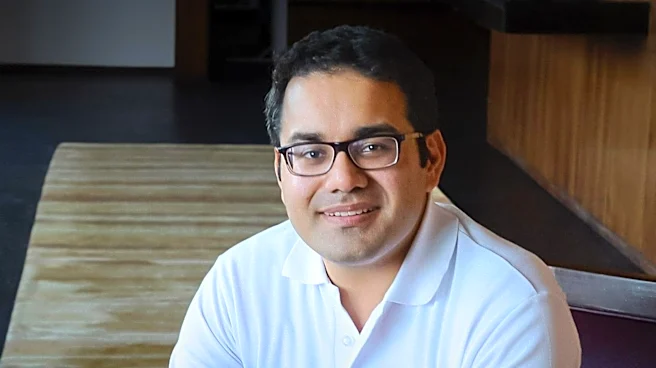
Kunal Bahl, cofounder of AceVector Limited and investment firm Titan Capital, experienced an H-1B visa rejection in 2007 while working at Microsoft in the U.S. This rejection prompted his return to India, where he decided to pursue entrepreneurship rather
than work for Microsoft India. Shortly after his return, he co-founded a company with his high school friend, Rohit Bansal. Initially a physical coupon book business, it later pivoted to become Snapdeal, one of India's first e-commerce platforms. Bahl and Bansal also established Titan Capital, an investment firm that has invested in over 320 startups. Bahl notes that India's entrepreneurial landscape has drastically changed since 2007, now boasting a billion internet users, widespread smartphone penetration, numerous coworking spaces, high talent density, and a robust funding ecosystem, with government support for the startup tech scene.
Why It's Important?
Kunal Bahl's experience highlights the significant impact of U.S. immigration policies, specifically the H-1B visa program, on the career trajectories of skilled foreign professionals and, by extension, on global economic development. His rejection, while initially a setback, inadvertently fueled the growth of India's burgeoning startup ecosystem. This case demonstrates how restrictive immigration policies in one country can inadvertently benefit another by redirecting talent and entrepreneurial spirit. For the U.S., it signifies a potential loss of innovative talent that could have contributed to its own economy. For India, it represents a gain, as returning professionals like Bahl bring valuable skills, experience, and capital, contributing to job creation and economic diversification. This narrative underscores the broader debate about the balance between immigration control and fostering innovation.
What's Next?
The trend of skilled professionals returning to their home countries, particularly India, due to H-1B visa challenges or perceived better opportunities, is likely to continue. This could further bolster India's position as a global hub for technology and entrepreneurship. For the U.S., ongoing discussions about H-1B visa reform may be influenced by such stories, as policymakers weigh the benefits of retaining foreign talent against concerns about domestic job markets. The success of entrepreneurs like Bahl in India could also inspire more individuals facing similar visa hurdles to consider entrepreneurial paths in their home countries, further decentralizing global innovation and economic power.
Beyond the Headlines
Bahl's story delves into the ethical and personal dimensions of immigration policies. While his H-1B rejection led to a successful career, he acknowledges the difficulties faced by others with dependents in the U.S. This highlights the human cost and emotional toll associated with immigration uncertainties. Furthermore, his narrative illustrates the concept of 'reverse brain drain,' where talent educated and trained in developed nations returns to contribute to their home countries. This phenomenon can lead to significant economic and social transformation in emerging economies, fostering self-reliance and reducing dependence on foreign expertise. It also challenges the traditional view of brain drain as solely detrimental, suggesting that a cyclical movement of talent can ultimately benefit multiple nations.