









What's Happening?
As families increasingly find themselves caring for both aging parents and children with special needs, the role of artificial intelligence (AI) in providing support is becoming more significant. The article highlights the challenges faced by caregivers
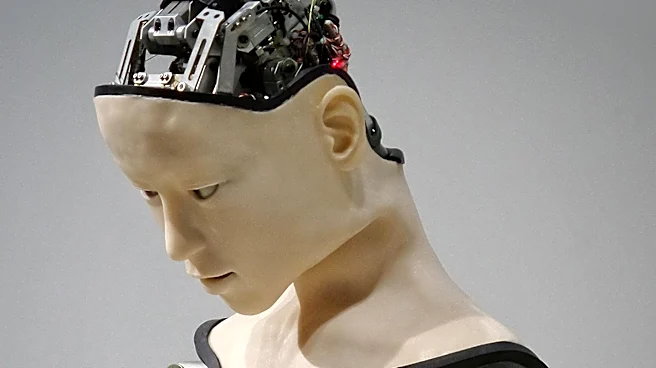
who are often balancing responsibilities across distances. It emphasizes that the most effective AI solutions are not flashy humanoid robots but rather quiet, supportive systems that help maintain dignity and independence for those in need. These systems include passive sensors that monitor routines and alert caregivers to significant changes, distinguishing between real emergencies and false alarms. The focus is on creating technology that supports caregiving without overwhelming users with unnecessary alerts or turning homes into clinical environments.
Why It's Important?
The significance of this development lies in the growing number of Americans who are taking on caregiving roles, estimated at 63 million, according to AARP and the National Alliance for Caregiving. The unpaid care provided by these individuals is valued at over $1 trillion annually. As the population ages and the need for caregiving increases, AI technology offers a way to alleviate some of the burdens on caregivers. By providing reliable and unobtrusive support, AI can help families maintain a sense of normalcy and peace of mind, ensuring that care is both effective and compassionate. This approach also highlights the potential for AI to transform home environments into supportive spaces that enhance the quality of life for both caregivers and those they care for.
What's Next?
The future of AI in caregiving will likely involve further development of technologies that integrate seamlessly into daily life, providing support without intrusion. As these systems become more sophisticated, they may offer even greater assistance in managing complex caregiving tasks, potentially reducing the emotional and physical toll on caregivers. Stakeholders, including technology developers and healthcare providers, will need to collaborate to ensure these solutions are accessible and affordable for all families. Additionally, there may be increased advocacy for policies that support the integration of AI in caregiving, recognizing its value in addressing the challenges faced by millions of Americans.
Beyond the Headlines
The integration of AI in caregiving raises important ethical considerations, such as privacy and the potential for technology to replace human interaction. It is crucial to balance technological assistance with the human touch that is often essential in caregiving. Furthermore, as AI systems become more prevalent, there will be a need for ongoing evaluation of their impact on family dynamics and the well-being of both caregivers and care recipients. Long-term, these technologies could lead to a cultural shift in how society views and supports caregiving, emphasizing the importance of dignity and independence for all individuals.