






What's Happening?
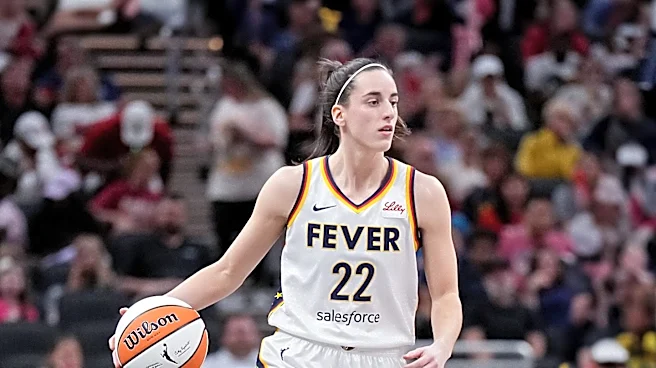
The WNBA's new Collective Bargaining Agreement (CBA), effective from 2026 to 2032, has significantly improved the financial landscape for its players. This change addresses a past reality where even elite athletes, like former Indiana Fever Guard Sophie
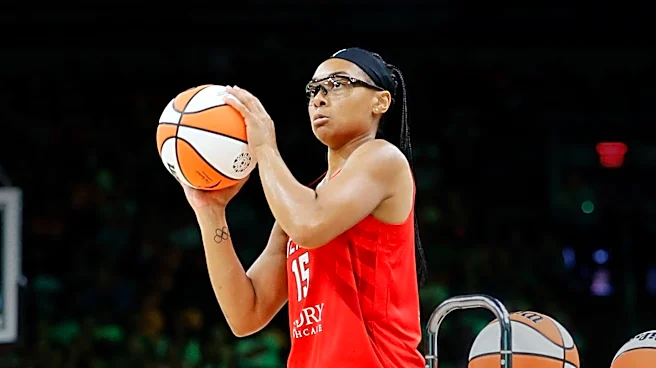
Cunningham and Seattle Storm guard Natisha Hiedeman, often needed second jobs to supplement their WNBA incomes. Cunningham revealed that her rookie year salary was around $28,000 after taxes, prompting her to seek additional employment. Hiedeman, after being drafted in 2019 and subsequently cut, worked at a grocery store from 4 AM to noon during the 2020 COVID-19 pandemic to make ends meet. Under the previous 2014 CBA, rookie salaries were considerably lower, ranging from approximately $41,965 to $53,537, with the entire team salary cap for 12 players being just $996,100 in 2019. The new agreement aims to ensure players no longer face such financial precarity.
Why It's Important?
This new CBA marks a pivotal shift in professional women's sports, particularly within the U.S. The substantial increase in player compensation and team salary caps directly impacts the financial stability and career longevity of WNBA athletes. By providing a living wage, the league enables players to focus solely on their athletic careers, potentially leading to higher quality play and increased fan engagement. This move also sets a precedent for other women's sports leagues, highlighting the importance of fair compensation and professionalizing the athlete experience. The improved financial security can attract more talent to the WNBA, strengthening the league's competitive balance and overall appeal. Furthermore, it addresses long-standing criticisms about the disparity in pay between male and female professional athletes, moving towards greater equity.
What's Next?
With the new CBA in effect, the WNBA anticipates continued growth in player compensation, with average player compensation projected to exceed $1 million by 2032. The team salary cap has already jumped to $7.0 million from $1.5 million in 2025 and is expected to surpass $11 million by 2032. Base minimum salaries now range from $270,000 to $300,000, and the No. 1 overall pick in the 2026 WNBA draft was projected to earn $500,000. Elite veterans can now achieve a supermax salary of $1.4 million, marking the first time WNBA contracts have reached seven figures. This financial restructuring is expected to attract and retain top talent, further elevating the league's profile and competitive standards. The league will likely continue to leverage rising sponsorships and TV broadcast deals to support these increased player earnings.
Beyond the Headlines
The transformation in WNBA player compensation extends beyond mere salary figures; it represents a significant cultural and ethical shift in how women's professional sports are valued. The previous necessity for players to work second jobs underscored a systemic undervaluation of their athletic contributions and sacrifices. The new CBA challenges this narrative, promoting a more equitable and sustainable career path for female athletes. This development could inspire broader conversations about gender pay equity in other professional fields and serve as a model for how collective bargaining can empower workers. It also highlights the growing commercial viability of women's sports, demonstrating that investment in female athletes can yield substantial returns, both financially and in terms of social impact.