


What's Happening?
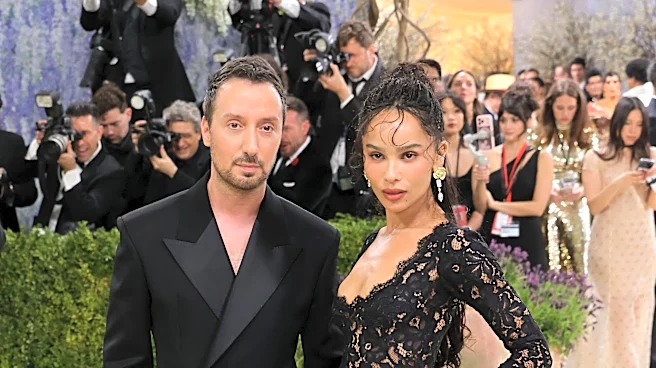
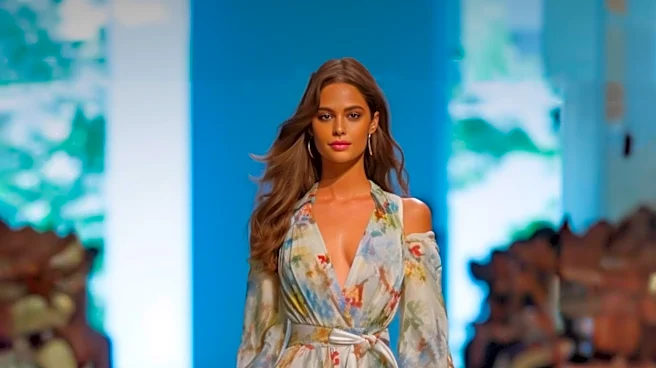
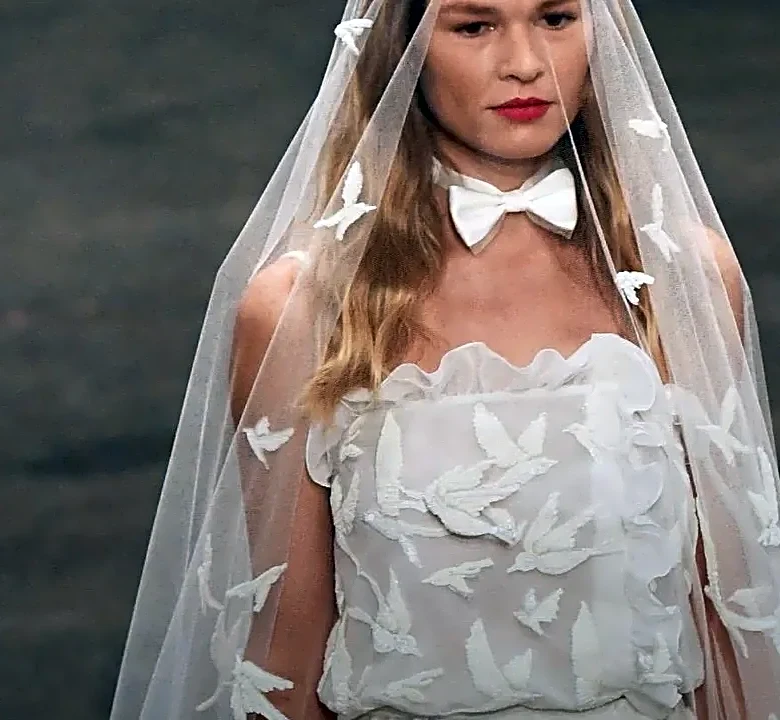
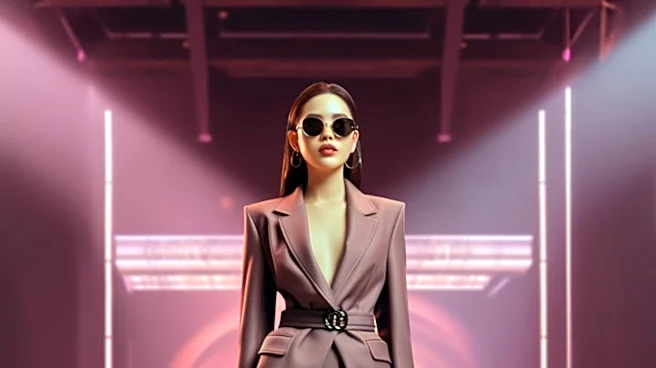
Massimo Dutti has opened a new flagship store in Rome, located within the historic Palazzo Ruspoli at Via del Corso 418. The opening, which took place on October 10, was preceded by an exclusive private fashion show on October 8, showcasing the brand's
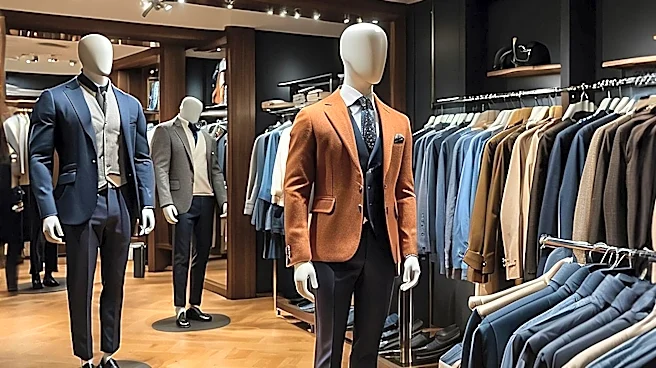
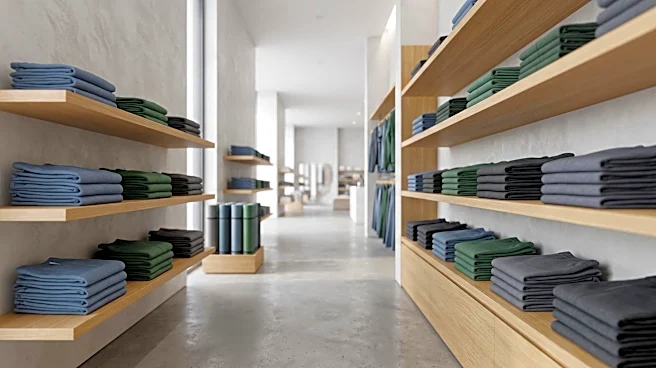
Limited Edition Fall/Winter 2026 collection. Spanning over 2,000 square meters, the store features Massimo Dutti's Woman and Man collections, alongside fragrance experiences, a curated library, and personalized shopping services. The design of the store meticulously integrates the brand's aesthetic with the 16th-century palazzo's architecture, preserving original elements while introducing contemporary furnishings. The approach mirrors the brand's strategy in its first Copenhagen store, emphasizing local partnerships. In Rome, collaborations include The Olfactory Archive with Florentine perfumery house Profumoir, a curated selection of nearly 100 titles from Roman independent bookstore Leporello Books, and activations with Caffè Doria and an illustrated postcard guide by Apartamento featuring Roman addresses. The store also incorporates advanced sustainable technologies, such as LED lighting, climate control, and Inditex’s Inergy monitoring platform.
Why It's Important?
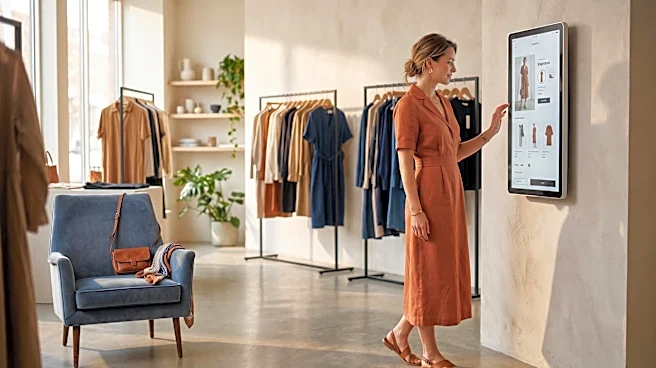
The opening of Massimo Dutti's flagship store in Rome's Palazzo Ruspoli signifies a strategic move by the brand to elevate its luxury positioning and deepen its connection with local culture. By choosing a historic palazzo, Massimo Dutti is not just opening a retail space but creating an immersive brand experience that blends fashion with art, history, and local heritage. This approach, which includes collaborations with local businesses like Profumoir and Leporello Books, enhances the brand's authenticity and appeal to a discerning clientele. The integration of personalized services, such as a Concierge service, express delivery options, and style advisor appointments, reflects a growing trend in luxury retail towards bespoke customer experiences. Furthermore, the incorporation of sustainable technologies like LED lighting and advanced climate control aligns with increasing consumer demand for environmentally responsible practices. This flagship could serve as a blueprint for future luxury retail developments, demonstrating how brands can create unique, culturally resonant, and sustainable shopping destinations, thereby influencing retail strategies across the industry.
What's Next?
Following the grand opening, Massimo Dutti will likely monitor the performance of its Rome flagship as a model for future luxury retail expansion. The success of its integrated cultural and retail experience will inform decisions on similar ventures in other historically rich cities. The brand will continue to leverage its local partnerships, potentially expanding the scope of collaborations with Roman artists, designers, and cultural institutions to maintain the store's unique appeal. The Limited Edition Fall/Winter 2026 collection, which debuted at the opening, will be a key focus for sales and marketing efforts, with its emphasis on tailoring and quality materials. Competitors in the luxury fashion market will observe Massimo Dutti's strategy, potentially leading to similar initiatives that blend retail with cultural immersion. The brand's commitment to sustainable technologies within the store will also be a point of interest, potentially influencing industry standards for eco-conscious retail spaces. Future events and activations at the Palazzo Ruspoli location are anticipated to further solidify its status as a cultural and fashion destination.
Beyond the Headlines
The Massimo Dutti flagship in Palazzo Ruspoli represents more than just a retail opening; it embodies a significant shift in the luxury retail paradigm, moving towards experiential and culturally embedded spaces. This trend reflects a deeper understanding that modern consumers seek not just products, but narratives and authentic connections. By transforming a historic palazzo into a retail environment, Massimo Dutti is engaging in a form of architectural preservation and cultural reinterpretation, blurring the lines between commerce and heritage. This approach challenges the traditional 'white box' retail model, suggesting that the physical environment itself can be a powerful brand statement and a source of competitive advantage. The collaborations with local artisans and businesses also highlight a growing emphasis on community engagement and supporting local economies, which resonates with socially conscious consumers. This flagship could inspire a broader movement in retail to create 'third spaces' that offer cultural enrichment alongside shopping, fostering a more meaningful and memorable consumer journey. It also underscores the enduring power of physical retail in an increasingly digital world, proving that brick-and-mortar stores can thrive by offering unique, immersive experiences that online platforms cannot replicate.