



What's Happening?
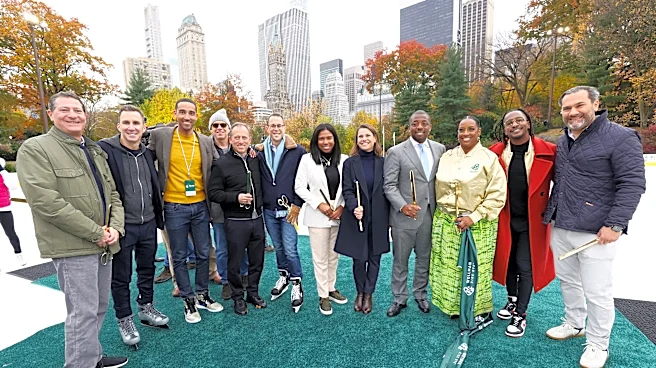
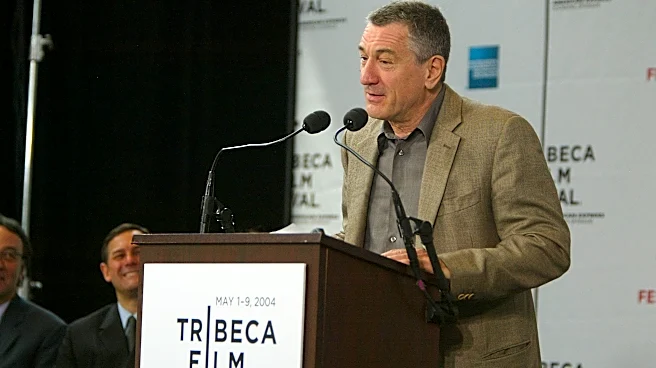
Jerry Speyer, a prominent real estate developer and co-founder of Tishman Speyer, and Robert De Niro, an acclaimed actor and co-founder of Tribeca Productions and the Tribeca Film Festival, are often linked in discussions about New York City's development,
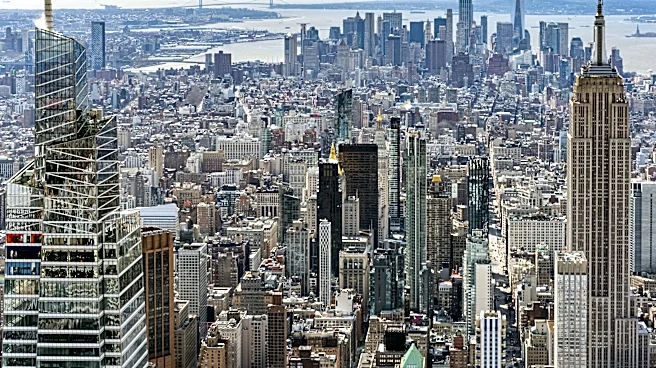
despite having no formal business partnership. Speyer, born in 1940, built a global real estate empire, notably through Tishman Speyer's involvement with Rockefeller Center. De Niro, born in 1943, achieved legendary status in Hollywood and significantly contributed to the cultural revival of the Tribeca neighborhood. The perception of a connection between them stems from their individual, yet profound, impacts on the city's landscape and cultural identity. Speyer's career began in the mid-1960s, co-founding Tishman Speyer in 1978, which later became a part-owner and manager of Rockefeller Center. De Niro's influence on Tribeca started in 1989 with Tribeca Productions and expanded with the co-founding of the Tribeca Film Festival in 2002, an initiative aimed at revitalizing Lower Manhattan after the September 11 attacks.
Why It's Important?
The distinct contributions of Jerry Speyer and Robert De Niro highlight how different sectors can shape a major U.S. city. Speyer's work in real estate, particularly with iconic structures like Rockefeller Center, has had a direct economic and architectural impact, influencing commercial activity and the city's skyline. His involvement in civic institutions, such as the Partnership for New York City and the Museum of Modern Art, underscores the role of business leaders in broader urban development and cultural preservation. De Niro's efforts in film and cultural initiatives, especially the Tribeca Film Festival, demonstrate the power of arts and entertainment in urban regeneration. His work transformed Tribeca from a warehouse district into a vibrant cultural hub, attracting residents, businesses, and tourists, thereby contributing to the local economy and enhancing New York's global image as a cultural capital. Their parallel influences illustrate how both tangible infrastructure and intangible cultural assets are crucial for a city's growth and resilience.
What's Next?
Both Jerry Speyer and Robert De Niro continue to be influential figures in their respective fields. Speyer remains chairman of Tishman Speyer, with his son Rob Speyer now serving as CEO, indicating a continued legacy in real estate development and management. His ongoing involvement in civic leadership, including his presidency of the NewYork-Presbyterian Hospital board, suggests his continued impact on New York's institutional landscape. De Niro is expected to continue his acting career and maintain his association with Tribeca Enterprises, which encompasses Tribeca Productions and the Tribeca Film Festival. The festival remains a significant annual event, contributing to the cultural calendar and economic vitality of Lower Manhattan. Future developments in New York City will likely continue to reflect the interplay between large-scale real estate projects and cultural initiatives, building on the foundations laid by figures like Speyer and De Niro.
Beyond the Headlines
The narrative surrounding Jerry Speyer and Robert De Niro extends beyond their individual achievements, offering insights into the symbiotic relationship between commerce and culture in urban environments. Their stories illustrate that a city's identity is not solely defined by its economic powerhouses or its artistic endeavors, but by the dynamic interaction between them. Speyer's focus on physical infrastructure and institutional leadership provides the framework for urban life, while De Niro's cultural contributions infuse the city with vitality and character. This interplay fosters a unique urban ecosystem where business success can support cultural flourishing, and cultural vibrancy can, in turn, attract investment and talent. The public's tendency to associate them, despite their separate professional paths, reflects a broader understanding that both economic and cultural capital are essential for a city's holistic development and global standing.