



What's Happening?
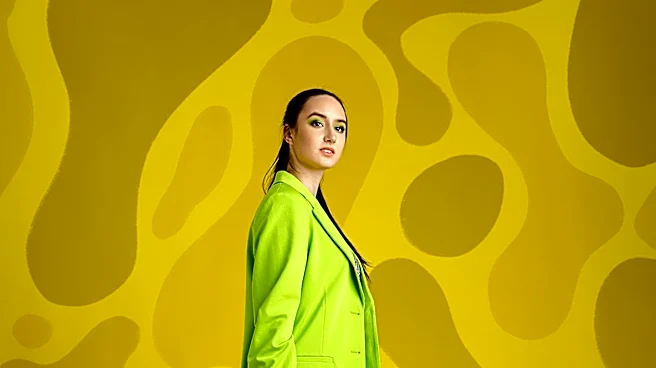
A distinct shade of lime green, described as a blend between a ripe pear and early spring, with hints of chartreuse, has rapidly become a prominent fashion trend. This color has captured the attention of fashion editors and consumers alike, appearing
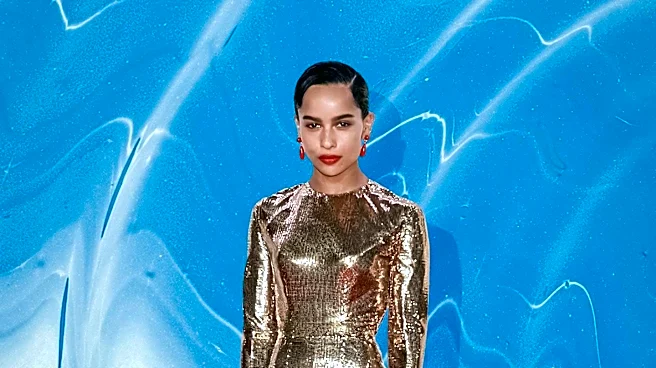
across various apparel categories from sweaters and tops to satin heels, dresses, bags, and knitwear. The trend gained momentum after a shopping writer's personal experience of encountering the color repeatedly in online algorithms, leading to purchases of items like a Meshki top and satin heels in the hue. The color is noted for its ability to look expensive when paired with chocolate brown and burgundy, and fresh with crisp white, making it versatile for spring and summer wardrobes. The trend's significance was further cemented by celebrity sightings, such as Zoë Kravitz wearing a pear-green skirt.
Why It's Important?
This emerging fashion trend holds significant importance for the U.S. retail and apparel industries. The rapid adoption of a specific color, especially one as distinctive as this lime green, can drive consumer purchasing decisions and influence inventory management for retailers. Brands that quickly identify and incorporate such trends into their collections stand to gain a competitive edge, potentially seeing increased sales and market share. Conversely, those slow to adapt may miss out on a significant market opportunity. The trend also highlights the growing influence of social media algorithms and celebrity endorsements in shaping consumer preferences, underscoring the need for brands to monitor digital trends closely. For consumers, it signals a shift in popular aesthetics, offering a fresh alternative to previously dominant colors like butter yellow and powder blue, and encouraging experimentation with bolder palettes in their wardrobes.
What's Next?
The immediate future will likely see an increased proliferation of this specific lime green shade across more fashion categories and price points, from high-end designers to fast fashion retailers. Consumers can expect to find a wider array of clothing, accessories, and even home goods featuring this color. Fashion publications and influencers will continue to showcase styling tips and product recommendations, further solidifying its presence in the market. Brands will be closely watching sales data and consumer engagement to determine the longevity of the trend and whether it evolves into a long-term staple or remains a seasonal highlight. There may also be a ripple effect, with other vibrant, nature-inspired greens gaining popularity as designers explore variations of the hue. The trend's trajectory will also depend on its adoption in major fashion weeks and by influential figures in the coming seasons.
Beyond the Headlines
Beyond its commercial impact, the rise of this lime green trend reflects broader cultural shifts towards optimism, freshness, and a connection to nature, especially in a post-pandemic context. Colors often carry psychological associations, and this particular shade of green, reminiscent of new growth and vitality, could symbolize a collective desire for renewal and positive change. It also speaks to the cyclical nature of fashion, where colors and styles from previous decades are reinterpreted for contemporary tastes. The trend's rapid spread through digital platforms underscores the power of online communities and algorithms in shaping collective aesthetics, potentially leading to a more homogenized global fashion landscape but also offering niche trends the opportunity for widespread visibility. This phenomenon highlights how fashion is not just about clothing, but also a mirror reflecting societal moods and technological influences.